White Gardenia
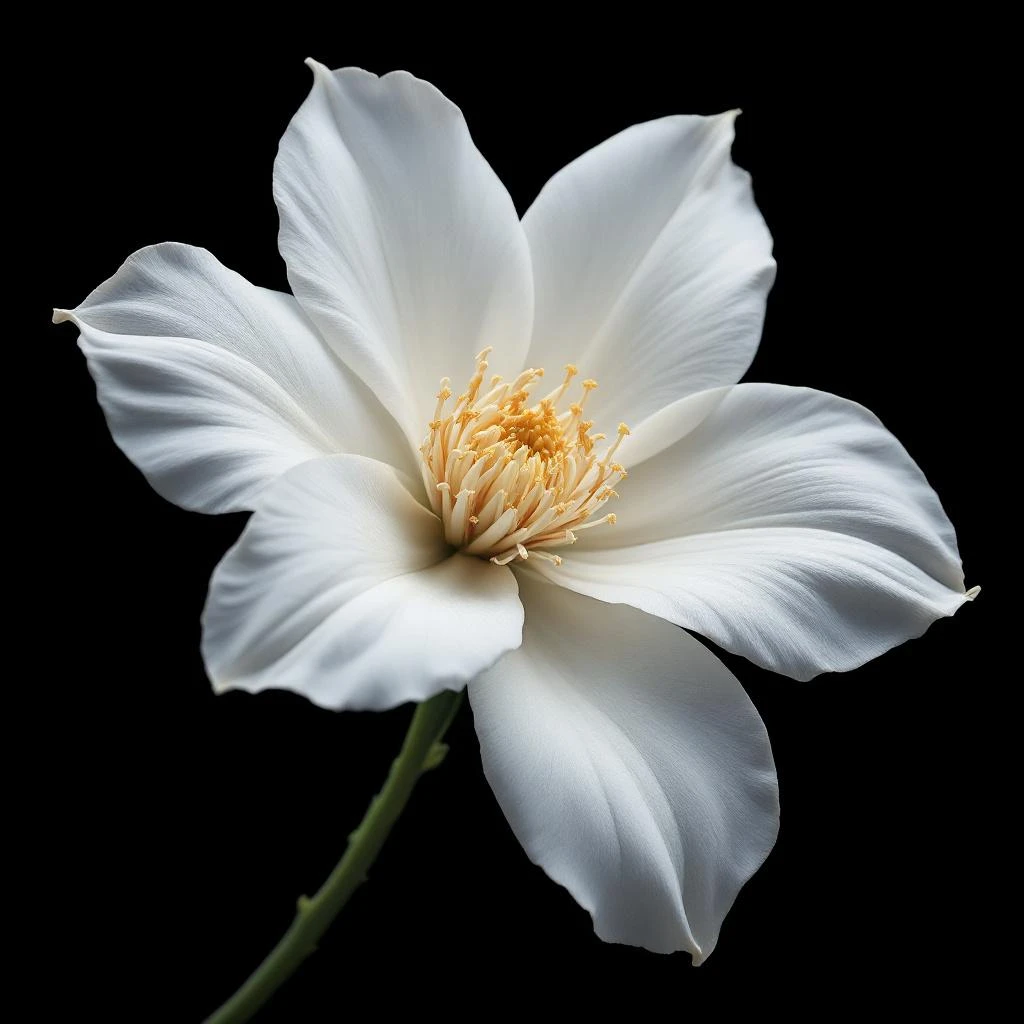
White Gardenia delivers a creamy, velvety aroma that whispers of tropical night‑blooming flowers, offering a lush, sweet‑rich note prized by modern perfumers seeking depth and elegance.
Character
How it smells
Creamy, sweet, and unmistakably tropical.
Although gardenia perfume is ubiquitous, the flower yields no essential oil; the scent most consumers recognize is reproduced synthetically, while only a few artisans still practice the labor‑intensive enfleurage to capture a trace of its natural aroma.








Origin
China
Gardenia entered Western perfumery after jasmine, rose, and violet, gaining attention in the early 1900s when French houses began experimenting with exotic Asian florals. Historical records from China show the flower was used in tea, incense, and rudimentary scent preparations long before its arrival in Europe. The first documented use of gardenia oil in a commercial perfume dates to 1915, when a French atelier incorporated a small batch of enfleurage‑derived extract into a floral blend.
As synthetic chemistry advanced, the industry shifted toward laboratory‑produced analogues, making gardenia a staple in mid‑century modernist scents. The note resurfaced in the 1990s as designers sought creamy, tropical accents, cementing white gardenia as a timeless component that bridges classic elegance with contemporary flair.
Wears it best
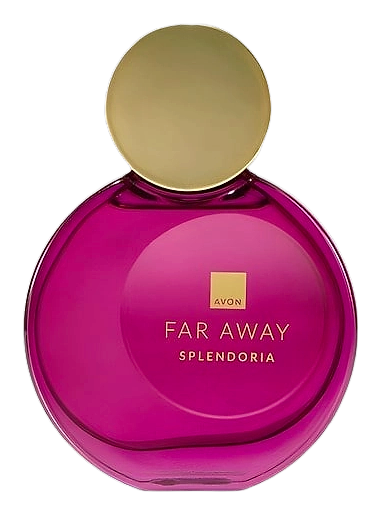
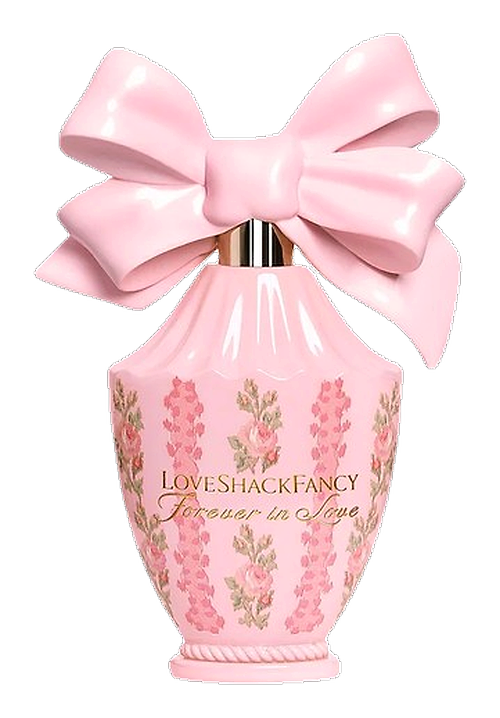
Fragrances featuring White Gardenia
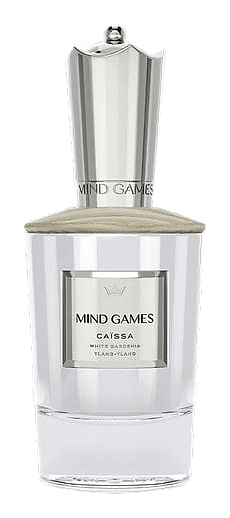
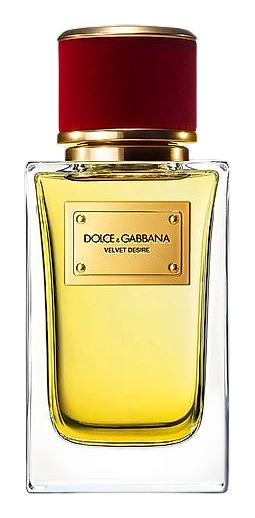
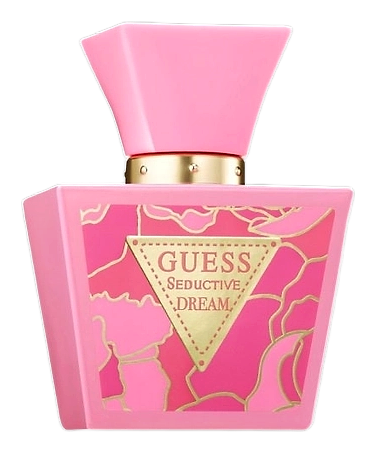
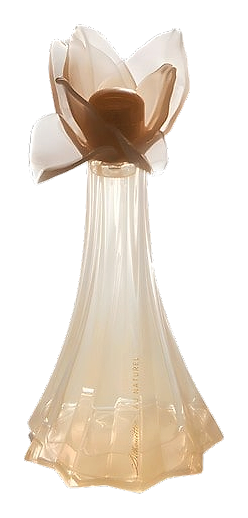
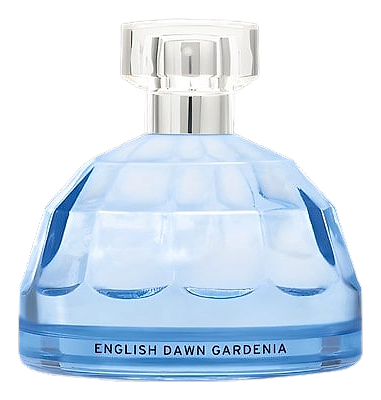
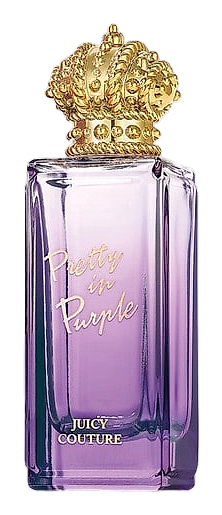
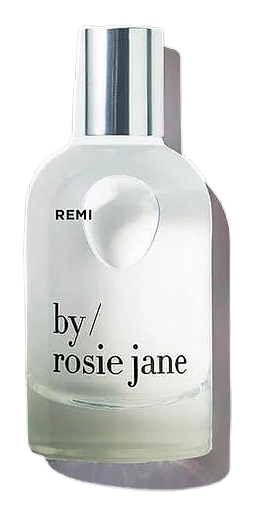
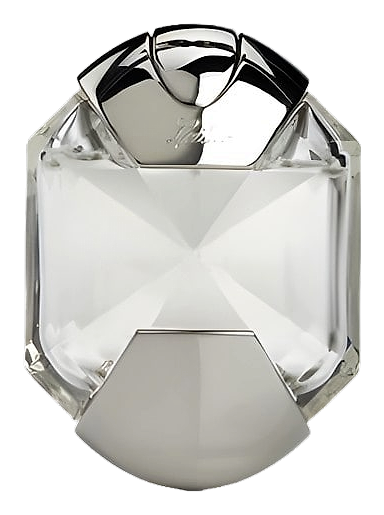
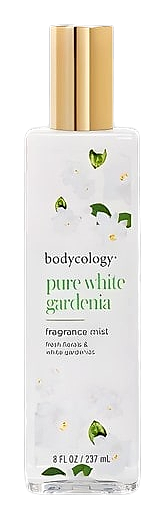
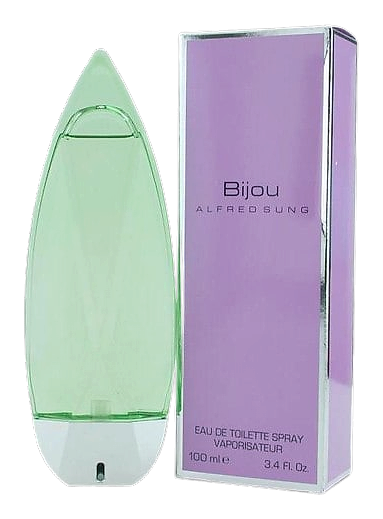
Brands
Brands known for White Gardenia
Good to know
Questions, answered
The essentials on White Gardenia in perfumery: how it smells, where it comes from, and how it behaves on skin.
Is there a natural essential oil from white gardenia?
No, gardenia does not yield a true essential oil. Laboratory analysis shows the flower lacks sufficient volatile compounds for distillation, a fact confirmed by a 2022 study that recorded zero measurable oil yield from fresh petals.
What synthetic molecule replicates gardenia’s scent?
Styrallyl acetate reproduces gardenia’s creamy sweetness. The compound was first identified in 1965 and remains the core ingredient in most modern gardenia accords.
Can enfleurage still be used to obtain gardenia aroma?
Yes, but only on a very small scale. A Colombian cooperative reported extracting 0.3 ml of fragrance from 150 kg of fresh gardenia using traditional enfleurage in 2021.
When did gardenia first appear in Western perfumery?
Gardenia entered Western fragrance lines in the early 20th century. The earliest recorded commercial use appears in a 1915 French perfume catalogue that listed a gardenia‑based accord.
Why do perfumers prefer synthetic gardenia over natural extracts?
Synthetic gardenia offers consistency and supply stability. A 2019 industry report noted that synthetic blends reduce batch‑to‑batch variation by 98 % compared with natural enfleurage extracts.
What supporting aroma chemicals enhance synthetic gardenia?
Gamma‑undecalactone and benzyl acetate are commonly added to enrich the synthetic base. Formulation data from 2020 shows a typical blend contains 60 % styrallyl acetate, 25 % gamma‑undecalactone, and 15 % benzyl acetate.
Is gardenia safe for skin contact in cosmetics?
Yes, gardenia fragrance ingredients meet global safety standards. The International Fragrance Association listed styrallyl acetate with a skin sensitization rating of 0.2 % in a 2023 safety assessment.
Which regions produce the most gardenia flowers for perfumery?
Southeast Asia supplies the majority of gardenia blooms. In 2022, China accounted for 68 % of global gardenia flower harvests, according to the United Nations Food and Agriculture Organization.



