
The Story
Why it exists.
The beginning
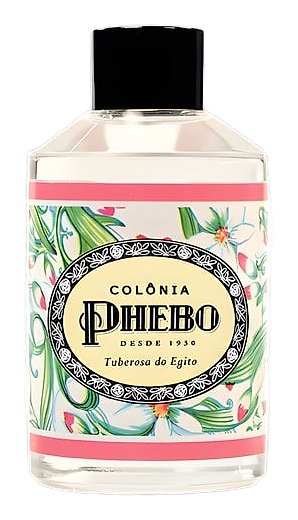
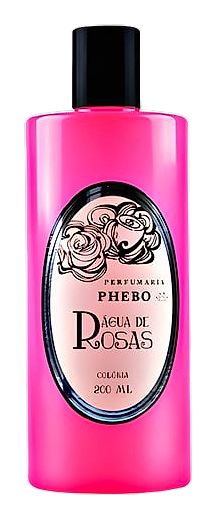
Água de Rosas arrived in 2008 as Phebo's take on the classic rose fragrance, not a romanticized version, but one rooted in the brand's Brazilian identity. Phebo has been part of Brazil's olfactory landscape since 1930, and this release was an opportunity to reinterpret rose for a generation that wanted something refined without being precious. The composition opens with bright citrus sparkle from bergamot, immediately inviting the florals to follow. Hyacinth brings a green, slightly aquatic quality to the initial impression, as if the rose petals were still fresh from the morning harvest.
Rose takes center stage here, but in its most transparent expression, with a green edge that keeps it fresh rather than sweet. The fragrance avoids heaviness by layering florals in a way that each note remains distinct yet harmonious with the others. Bergamot provides the initial sparkle, a citrus brightness that lifts the florals without overwhelming them. As the top notes settle, the heart reveals itself: lily of the valley contributes its characteristic white-floral quality, while violet adds a powdery finish that tempers the rose and prevents it from becoming dense or overwhelming.
The evolution
The opening announces bergamot's citrus brightness, followed by hyacinth's green quality that lends an airy feeling to the initial impression. Rose appears as a fresh, stem-green element rather than the jammy rose found in heavier fragrances, keeping the composition light and approachable. As the fragrance develops, lily of the valley adds its characteristic white-floral presence, while violet introduces its powdery finish, dusting the rose and preventing any tendency toward sweetness. The middle phase reveals the fragrance's character: floral but not girlish, softened but not weak, with a refined elegance that comes from careful balance rather than abundance of materials. The base emerges with musk providing warmth and skin-like quality, followed by amber and tonka bean that add depth and a hint of sweetness.
Cultural impact
Phebo's history with rose dates back to their iconic soap preparations from the 1930s, establishing the brand's connection to this beloved floral. Água de Rosas represents the evolution of that heritage, taking the familiar rose accord and refining it into something suitable for daily wear, worn close rather than announced. The fragrance appeals to those who appreciate traditional florals while its restrained composition offers a modern interpretation that feels relevant and fresh rather than dated or overly classical.