
The Story
Why it exists.
The beginning
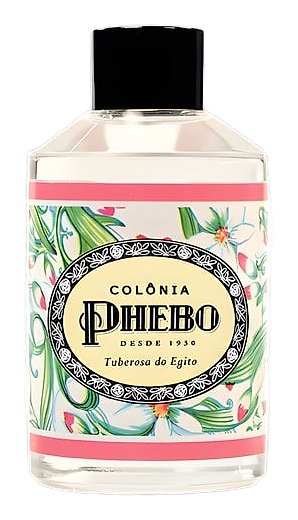
Phebo has spent decades translating the Amazon's botanical wealth into wearable form, Brazil nut, rosewood, tropical citrus. But Tuberosa do Egito pulls the opposite direction: outward, toward North Africa. The name announces the inspiration directly. Egyptian tuberose has a reputation for being heady, almost confrontational in its sweetness. Phebo's version doesn't fight that reputation. It leans into it, wrapping the tuberose in a structure that feels both botanical and classical, Brazilian restraint meeting Egyptian exuberance.
What makes this composition worth knowing: the animalic note that enthusiasts tagged isn't a flaw or a skank, it's honesty. Tuberose in its natural form carries a faintly animalic quality that many fragrances smooth over with aldehydes or vanillic bases. Phebo lets it breathe. The jasmine sambac adds a darker, more indolic warmth compared to standard jasmine. Rose doesn't soften this, it deepens the floral heart into something that reads more complex than a simple white floral. The bergamot in the top keeps everything from getting too heavy too soon.
The evolution
The opening hits with citrus, bergamot and mandarin orange arriving together, clean and brief. Within ten minutes the florals take over. Tuberose announces itself first, creamy and full, quickly joined by jasmine sambac. The rose is quieter, more of a bass note than a melody. This is where the fragrance earns its character: the transition from bright citrus to heavy white floral happens quickly enough that it feels intentional rather than disjointed. Three hours in, the base notes arrive, musk first, then patchouli, then amber. The drydown is warm, slightly animalic, intimate. On fabric it lingers for hours. On skin, expect four to six hours of moderate sillage, present without announcing itself.
Cultural impact
Tuberose fragrances occupy a specific corner of scent culture: they're either approachable (Fracas, Carnal Flower) or confrontational (Tubereuse Criminelle). Tuberosa do Egito sits somewhere between. Its animalic edge makes it polarizing in the best way, the kind of fragrance that divides a room into two immediate reactions. In Brazil it's part of a broader movement that values botanical identity and longevity over trend-chasing.