
The Story
Why it exists.
The beginning
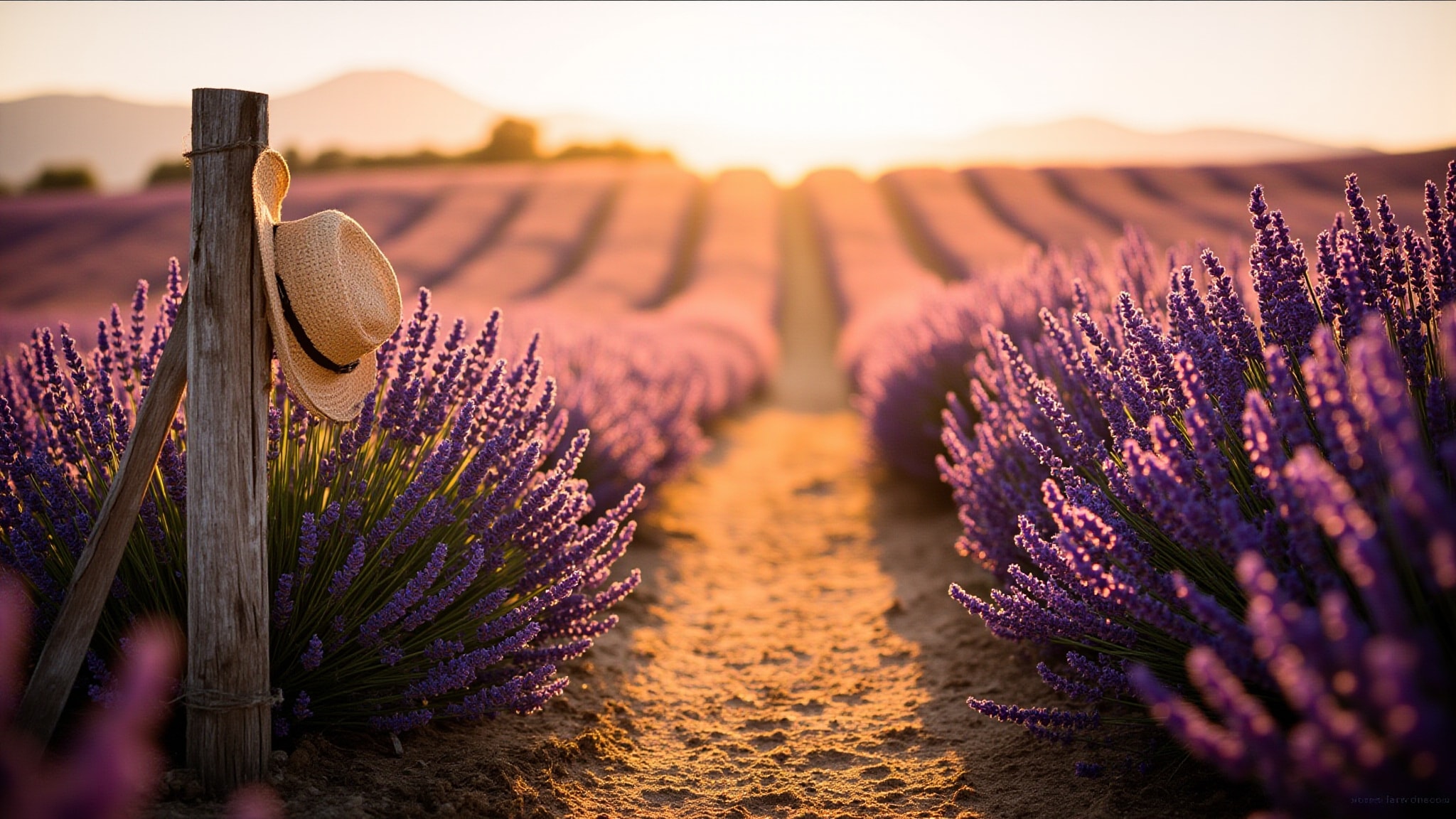
Phebo, established in 1930 in Belém, Brazil, built its identity around Amazonian botanicals married to classical French perfumery techniques. Early travels exposed the founders to the lavender fields of southern France, a landscape that never stopped calling to them. Alfazema Provençal, released in 2005, represents the house returning to that inspiration, translating a Provençal botanical ideal through a Brazilian lens. The result honors lavender's classical status while grounding it in cedarwood and patchouli, materials that nod to Phebo's tropical botanicals heritage.
Phebo selected lavender as the central material because it bridges two worlds: the aromatic tradition of French perfumery and the green, living quality of Amazonian botanicals that the house has long championed. Rosemary adds a bitter-herbal counterbalance that keeps lavender from feeling soft or feminine, while bergamot injects the opening with citrus brightness. Rose and geranium in the heart provide just enough floral warmth to keep the composition grounded, and the cedarwood-patchouli base ties the structure back to woody, earthy territory that feels both classic and grounded.
The evolution
The fragrance moves from crisp bergamot and rosemary in the opening through a lavender-dominant heart that keeps rose and geranium as supporting players. Cedarwood and patchouli structure the drydown, creating a quiet, woody finish that maintains the aromatic lineage throughout. This arc honors lavender at every stage rather than treating it as a fleeting top note, allowing the note to evolve alongside its companions rather than disappear once the heart begins.
Cultural impact
Lavender has been a cornerstone of Provençal life for centuries, woven into daily rituals from cooking to medicine. The scent evokes the rolling hills where shepherds once rested, and its calming aroma still graces local festivals, market stalls, and family gatherings. Historically, lavender oil was prized for its soothing properties, used to ease tension and promote restful sleep. Today, the fragrance continues to symbolize the region’s connection to nature, reminding both locals and visitors of a timeless, earthy heritage that balances work and relaxation in the sun‑kissed countryside.