The Story
Why it exists.
The beginning
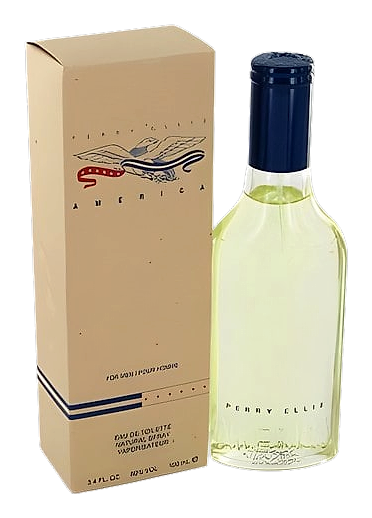
America arrived in 1996, a fruity-spicy fragrance from the Perry Ellis house. The composition was built to be versatile and sporty, the kind of scent that slips between settings without effort. A pineapple top note that reads as sweet and juicy, an herbal-floral heart that keeps things grounded, and a warm base of woods and amber that pulls it all together. It's a straightforward concept executed with enough complexity to keep you leaning in. The fruit gives it personality; the spices keep it from feeling like a beach scent. It's a fragrance that knows what it wants to be and doesn't oversell the idea. Clean enough for a casual workday, warm enough for a dinner you didn't plan. The kind of thing you reach for without thinking, which is maybe the highest compliment a scent can earn.
The choice of pineapple at the top is what sets this apart. Pineapple's sweetness gets layered under aniseed and sage, softening the tropical edge into something green and casual rather than overtly beachy. The fruit doesn't scream; it sits inside the herbal notes and lets them do the talking. The middle keeps that tension alive. Basil, geranium, juniper, lavender, palmarosa, and vetiver form a herbal heart that grounds the fruit at the top without flattening it. Six notes doing the work of two or three, which is harder than it sounds.
The evolution
The opening hits with pineapple, bright and almost edible, then sage pulls it sideways into something herbal. Aniseed flickers underneath, a licorice ghost. Bergamot rides along as the citrus scaffolding, not the star. This is the phase that smells like a sports drink from a glass bottle, that same sweet-tart snap filtered through something greener and less synthetic. As the top notes settle, the green notes take charge. Basil is warm and peppery. Lavender stays clean, almost soapy. Juniper adds a dry, gin-and-tonic sharpness that keeps everything from getting too sweet. Geranium bridges into the base with a rosy-green tension. Palmarosa gives it a grassy fullness, a dewy quality that softens the herbal stack. Vetiver, sitting in the middle rather than the base, does its earthy thing without making the whole composition smell like dirt.
Cultural impact
Released in 1996, America belongs to a wave of masculine fragrances that leaned fruity and casual rather than heavy or aquatic. The pineapple-sage combination stood out at launch because most men's scents of the era reached for citrus or lavender for their top-note freshness. America's use of pineapple gave it a sweetness that felt different, grounded by aniseed and sage so it never tipped into tropical gimmickry. The result is a fragrance that reads as restrained within its category. The herbal heart and warm woody base keep it wearable rather than novelty, and the overall composition feels considered from top to bottom.