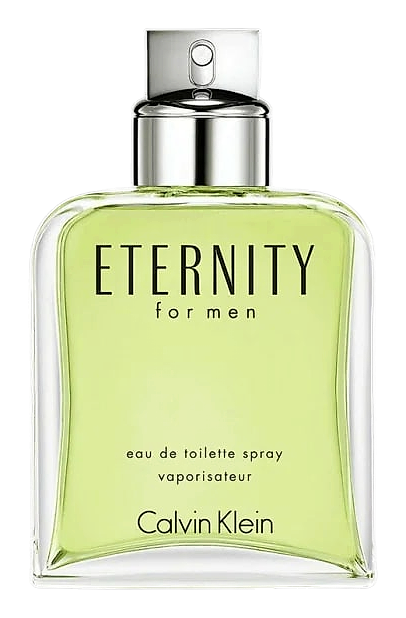

The Story
Why it exists.
The beginning
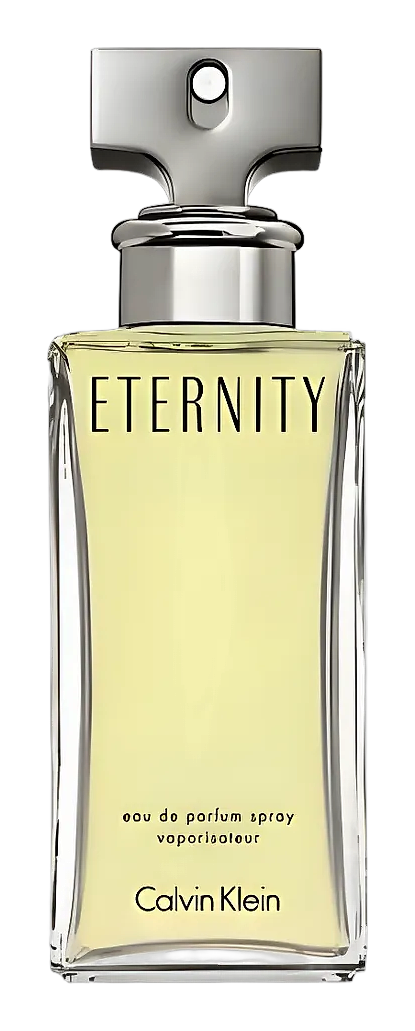
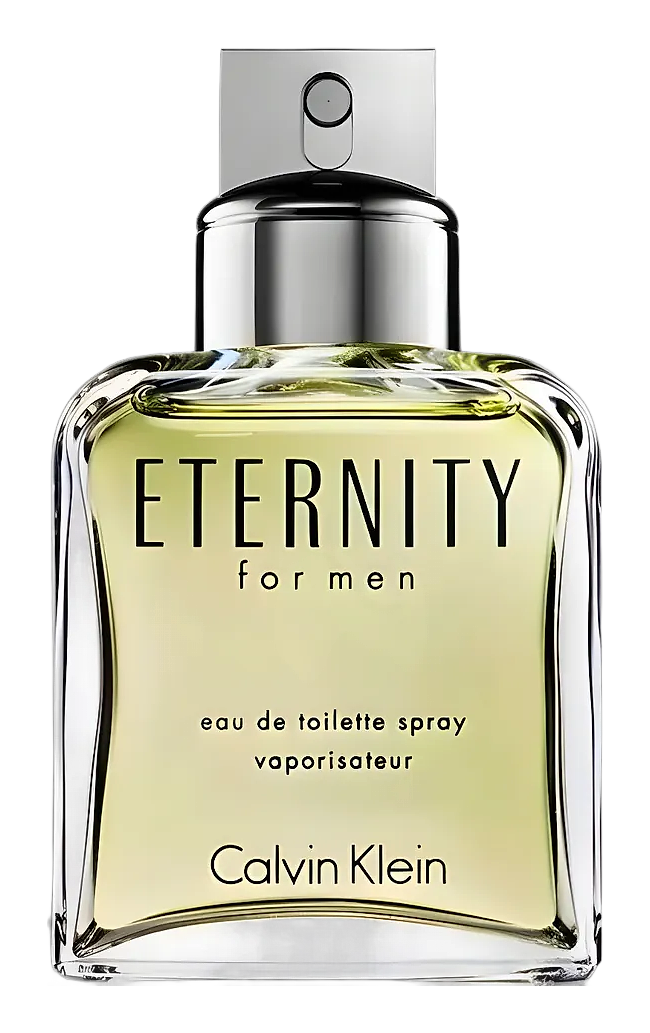
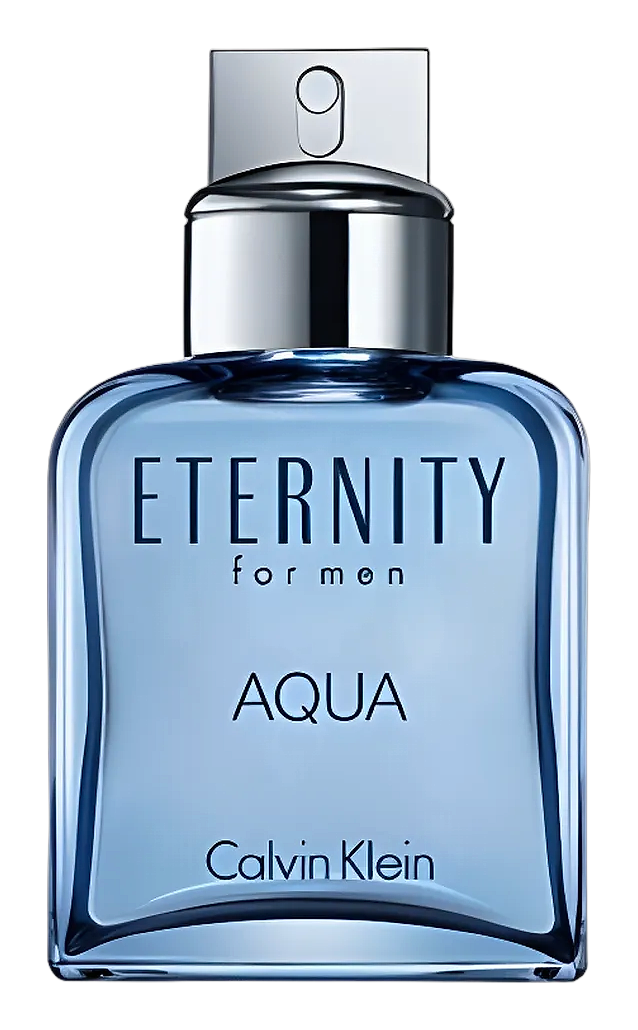
Eternity for Men was composed by Carlos Benaïm, whose work shaped much of the aromatic fougère tradition the fragrance belongs to. The scent carries lavender and mandarin at the opening, an herbal citrus accord that reads both bright and grounded, then moves through sage, basil, and geranium before settling into a base of Brazilian rosewood, sandalwood, vetiver, and amber. The lavender is not shy, but it doesn't dominate either; it gives the composition a soapy, just-showered quality that holds from the first spray well into the drydown. The citrus top softens rather than vanishes, leaving the herbal heart to take over gradually as the woods warm up underneath.
What makes the structure interesting is the pairing of lavender and mandarin with rosewood and vetiver. The top reads bright and almost cooling, but the base pulls it toward something warmer and more grounded. Sage and basil sit in the middle, giving the composition an herbal backbone that keeps the citrus from disappearing into generic freshness. Brazilian rosewood is listed among the base notes, a material long associated with creamy, slightly resinous warmth in masculine compositions, and it serves a similar role here, bridging the cleaner top and the drier woody bottom.
The evolution
The opening belongs to lavender and mandarin, a green, almost soapy brightness that feels freshly showered. It doesn't shout, but it announces. Sage and geranium arrive early in the wear, softening the green into something more herbal and less sharp. The top fades but never fully leaves, hovering underneath like a memory of clean laundry. As the composition settles, the sandalwood and vetiver take over, warm and slightly dry, with rosewood giving the whole thing a creamy undertone. The amber doesn't arrive so much as accumulate, a faint warmth that builds rather than blooms. The lavender still ghosts through the wood late into the wear, and that interplay between the herbal top and the woody base is what gives the fragrance its staying power. Eventually the fragrance draws close to the skin, settling into soft wood and a whisper of vetiver that lingers.
Cultural impact
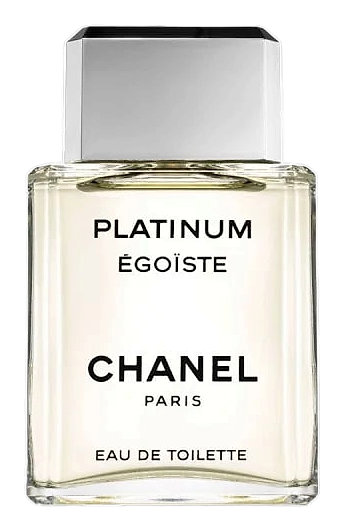
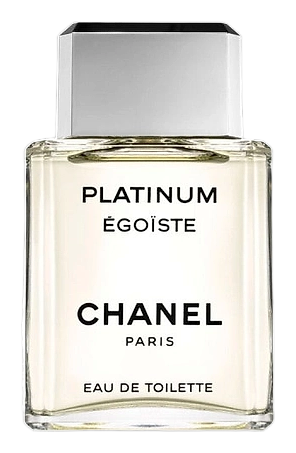
Eternity for Men holds a steady place within the classic aromatic fougère category, a structure built on lavender, herbs, and woods that has long served as a blueprint for masculine fragrance. On Parfumo, the fragrance appears alongside other fougère-leaning compositions, and similar listings include Platinum Égoïste and Polo Sport, both of which share the clean, fresh character that defines the category. The composition endures partly because it never tried to be louder than it needed to be. Its sillage stays close, its projection is polite rather than aggressive, and the drydown rewards anyone who pays attention.
The House
Calvin KleinCalvin Klein is an American fashion house with roots in New York City's coat trade. Founded in 1968 by designer Calvin Klein and Barry Schwartz, the company rose to prominence through its minimalist aesthetic, form-fitting denim, and designer underwear lines. The brand entered the fragrance world in the late 1970s and built one of the most recognizable mass-market perfume portfolios in fashion. CK One, launched in 1994, became a cultural landmark as one of the first unisex fragrances, reshaping how the industry approached gender and scent. Today Calvin Klein perfumes remain available globally through department stores and specialty retailers, with fragrance licensing managed by Coty Inc. since 2005.
The Creator
Carlos BenaïmCarlos Benaim's signature style is immediately recognizable to those who know what to look for: confident masculinity rendered with surprising elegance, clean structures that reveal unexpected depth, and a mastery of aromatic and woody materials that few can match. His masculi…