The Story
Why it exists.
The beginning
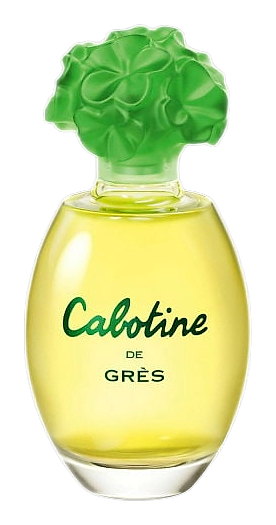
Cabotine arrived as a fragrance of quiet confidence. The brief, as imagined by its creator, called for something transparent, effortless to wear, yet present enough to companion a wearer through the hours. The formula draws on the floral-aldehyde accord, a characteristic approach of the era that lends certain fragrances of the 1990s their distinctive brightness. What emerged is a transparent green-floral that rewards close acquaintance rather than announcing itself across a room. The fragrance opens with a clean, airy quality that suggests morning light through sheer curtains, settling into a presence that lingers without ever becoming heavy or demanding. There is no bombast here, no declaration of intent, only the persistent suggestion of garden freshness that persists subtly on the skin.
The composition centers on ginger lily (known in perfumery as butterfly lily), a Himalayan bloom that grows in harsh high-altitude climates and flowers for only a few weeks each spring. Each flower lives mere hours. The difficulty of extracting its oil makes it a material of obsession rather than convention. IFF's pioneering research into this ingredient gave Delville something unusual to anchor the heart, a white floral that carries a subtle green-ginger undertone invisible in the bottle but unmistakable on skin. It's the kind of ingredient that makes a perfumer's career, and a fragrance that makes you understand why the 1990s had such staying power.
The evolution
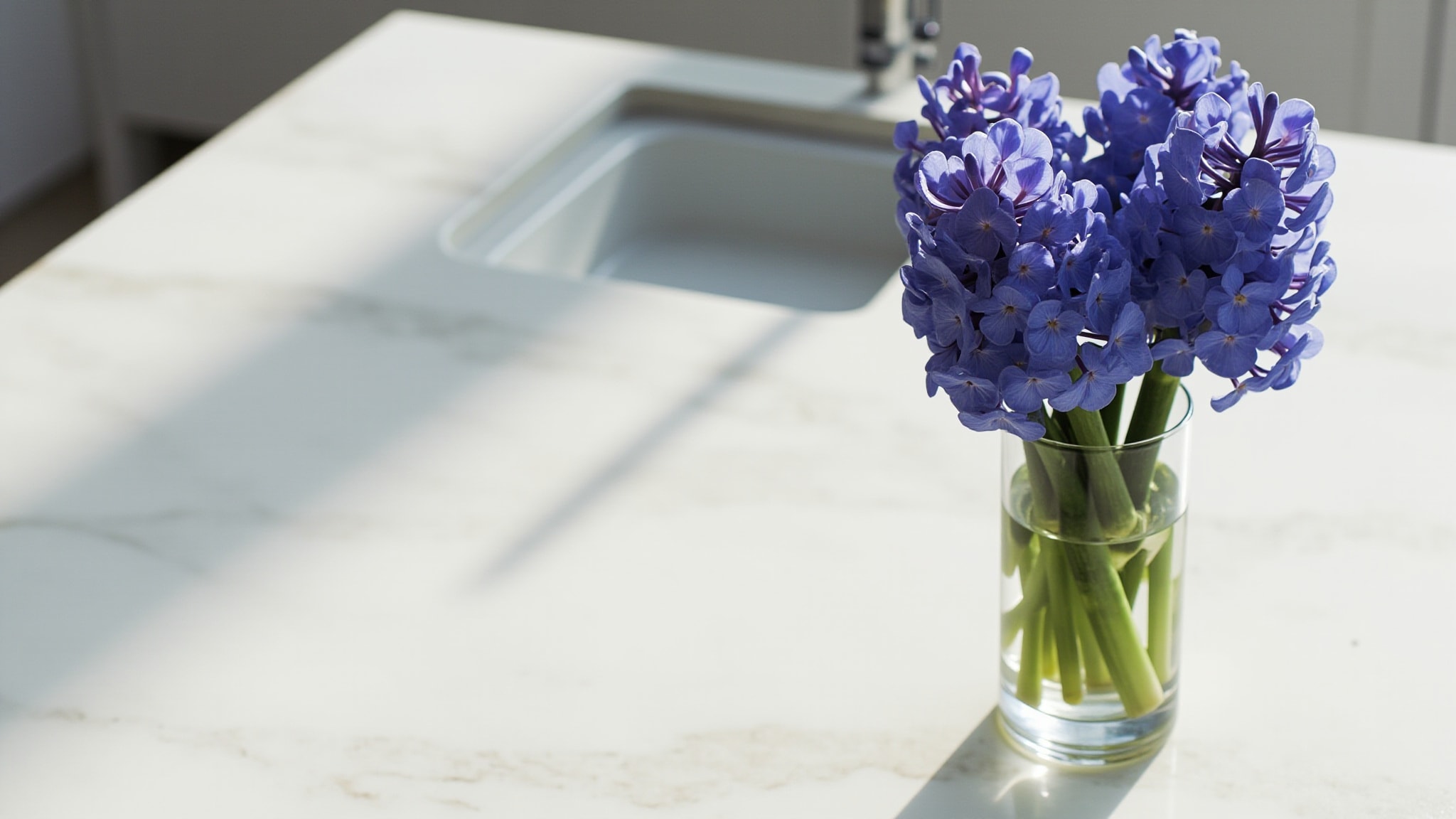
The opening presents a controlled burst, aldehyde sparkle catching green notes while orange blossom lends sweetness without softness. Cassia and coriander add a brief spice that reads more mineral than culinary. Within the first quarter hour, the florals take command: hyacinth's green intensity, tuberoses' creamy fullness, a heartbeat of rose and jasmine beneath. The transition is fluid, the handoff from top to heart notes happening so gracefully that you may not notice the shift. As the hours pass, the aldehydic brightness settles into powder: amber, vanilla, a civet-tinged musk that stays close to the skin. The blackcurrant appears in the base as if it never left, bridging the opening and drydown. Cedar and sandalwood ground everything, providing a woody foundation that prevents the fragrance from floating away entirely.
Cultural impact
Cabotine earned its reputation through wearers, not advertising. Despite minimal promotional support, it became a fixture of the 1990s, beloved by those who wanted something that smelled expensive without announcing itself. The floral-aldehyde combination places it firmly in the French classical tradition, while the green notes and ginger lily heart give it a distinctive character. The fragrance attracted women who appreciated complexity without ostentation, who wanted a scent that revealed its nuances gradually rather than presenting everything at once. Those who wore it tended to remain loyal, returning to it year after year.