




Heritage
A house, in its own words
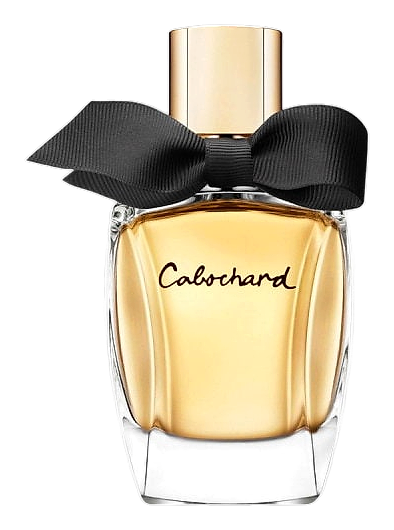
The house begins not with a perfumer but with a couturier. Germaine Emilie Krebs, known professionally as Madame Grès, launched her fashion house in 1942 in a Paris still occupied by uncertainty. She became one of the twentieth century's most uncompromising designers, famous for her Grecian draping and a refusal to compromise on craft. Her dresses moved like sculpture; her reputation demanded precision. The fragrance arm emerged from that same discipline. Grès was a perfume house in spirit long before it issued bottles. The breakthrough arrived in 1959 with Cabochard, a leather chypre composed by Bernard Chant that became an instant classic and remains the house's defining work. Its name means stubborn, a tribute to Madame Grès's famously exacting standards. The 1990 launch of Cabotine broadened the house's appeal. A bright, dewy floral aimed at younger women, it carried Grès into a new era while preserving the original couture conviction. Subsequent releases, including Cabotine Rose in 2003 and Cabotine Gold in 2010, expanded the floral vocabulary without abandoning the core aesthetic. In 2015, Piece Unique marked a contemporary chapter, showing that the house still commissions perfumers, including Anne-Louise Gautier and Jean-Claude Delville, to write in the Grès register. Today the brand operates as Parfums Grès from Paris, a heritage perfume house that treats each new launch as a continuation of a conversation started more than eighty years ago. Grès perfumery begins with a fashion sensibility. The house treats scent as an accessory that must behave itself: present without shouting, structured without stiffness, always elegant. Madame Grès built her couture on the principle that true luxury is restraint, and that philosophy translates directly into the bottles. The house favors clarity over complexity. A Grès fragrance announces its character quickly and then refines it slowly, the way a well-cut coat reveals its quality only as you wear it. There is a sculptural quality to the compositions, an architectural sense of how top notes frame a heart and how a base anchors everything above it. The florals are never syrupy; the chypres never muddy. Distinctive to Grès is the conviction that a woman's signature scent should feel personal rather than performative. Cabotine was conceived as a daily companion, a radiant floral that smells as good on the bus as at a dinner party. Cabochard was built for the woman who already knows who she is and wants her perfume to confirm it rather than compete. Across the catalogue runs a thread of Parisian chic defined by understatement, the kind of polish that resists trend cycles. The brand also holds a romantic idea about the perfumer's role. Rather than chasing novelty, Grès commissions compositions that fit within a recognizable house grammar, a discipline that keeps each new release connected to the founding spirit while allowing individual perfumers room to speak.