The Story
Why it exists.
The beginning
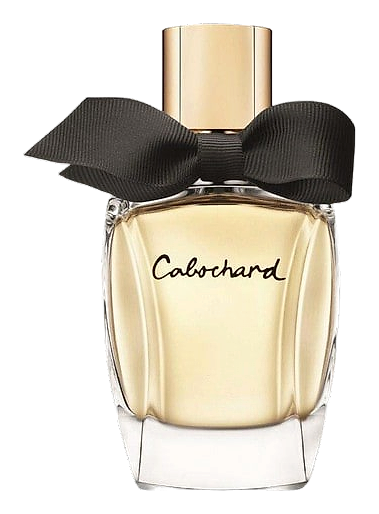
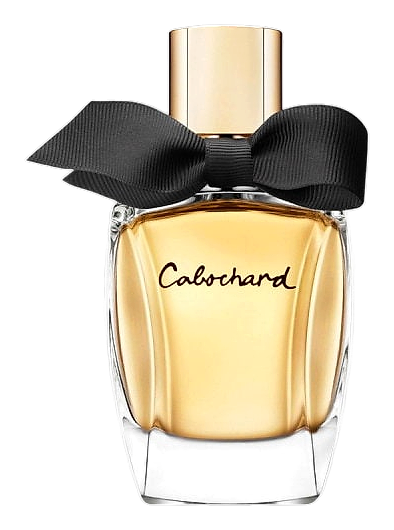
Madame Grès named it herself, Cabochard means stubborn, headstrong in French. After her trip to India, she described a perfume to a young perfumer, Guy Robert: very flowery, rich like tuberose but softer, contrasted by a fresh, slightly green note. Water hyacinth. She wanted to bottle the long, empty beaches of India, the sharp morning air, warmth of sandalwood, a touch of flower, the comfort of sea breeze. But 1959 belonged to bold chypre, so she launched two perfumes at once: the floral Chouda and the leather Cabochard, created by Bernard Chant with IFF. Chouda disappeared within months. Cabochard stayed.
The note structure tells you everything about its ambition. Aldehydes provide that 1950s lift, bright, almost champagne-like. Galbanum adds a sharp green intensity that arrives before anything else settles. Sage brings an herbal quality that keeps the opening from being purely decorative. These three top notes work together to announce themselves forcefully, then step aside for the florals to complicate things. Rose, jasmine, ylang-ylang don't soften the composition, they deepen it, adding dimension to what could have been a straightforward leather chypre. The result is a fragrance that refuses to be one thing.
The evolution
The opening announces itself in seconds. Aldehydes lift, galbanum cuts sharp and green, sage adds an herbal backbone. Thirty minutes in, the florals arrive, rose and jasmine working through the aldehydic structure like light through clouds. Leather emerges next, not as a finishing note but as the spine of the composition. Oakmoss and patchouli layer underneath, earthy and grounding. Sandalwood appears in the final hours, warm and creamy, taking over as the florals fade. What remains is mossy, leathery, close to skin but impossible to ignore when you move. On most skin, this is an eight-to-ten hour proposition. The drydown alone is worth the price of admission.
Cultural impact
Cabochard arrived in 1959 when bold chypres defined the era, Bandit, Cuir de Russie, Scandal ruled the market. But Madame Grès wanted something different: leather-forward, aldehydic, stubbornly elegant. It found its audience and stayed. Seven decades later, it remains one of the few 1950s chypres that hasn't become a museum piece. Wearers describe it as the scent of someone who walks into a room and doesn't need to announce themselves.