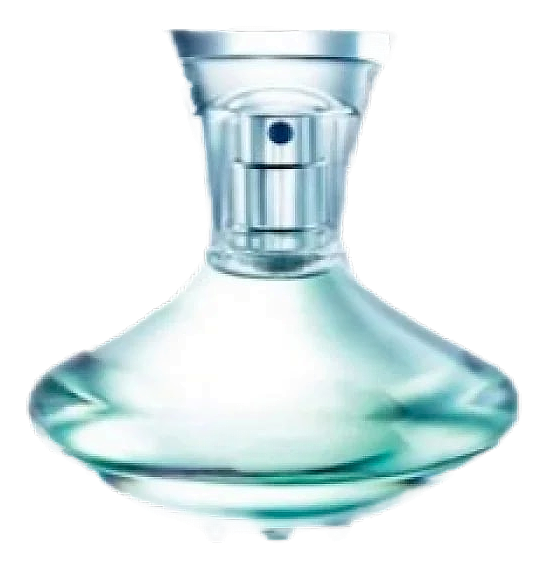
The Story
Why it exists.
The beginning
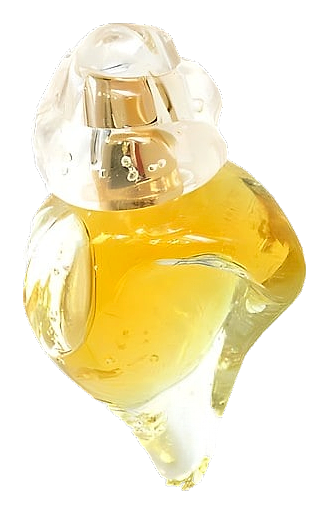
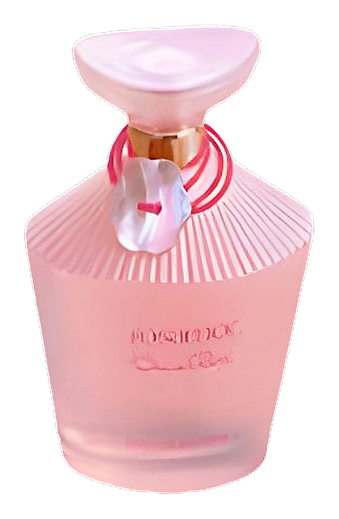
Rosamor Eau d'Ete arrived in 2005 as the first flanker from Oscar de la Renta's Rosamor line, and its brief was specific: capture the feeling of summer in the Dominican Republic. The perfumer behind the original Rosamor composed this warmer, brighter sibling, and she leaned into a tropical floral vocabulary rather than replicating the original's powdery romanticism. Tiare flower, magnolia, and mango step in where roses once held court. The result reads less like a garden and more like an afternoon breeze moving through one, carrying warmth along with the petals. The original Rosamor's powdery softness gives way to something sunlit and ripe here, a deliberate pivot toward yellow notes rather than the dusty pink associations that defined its predecessor.
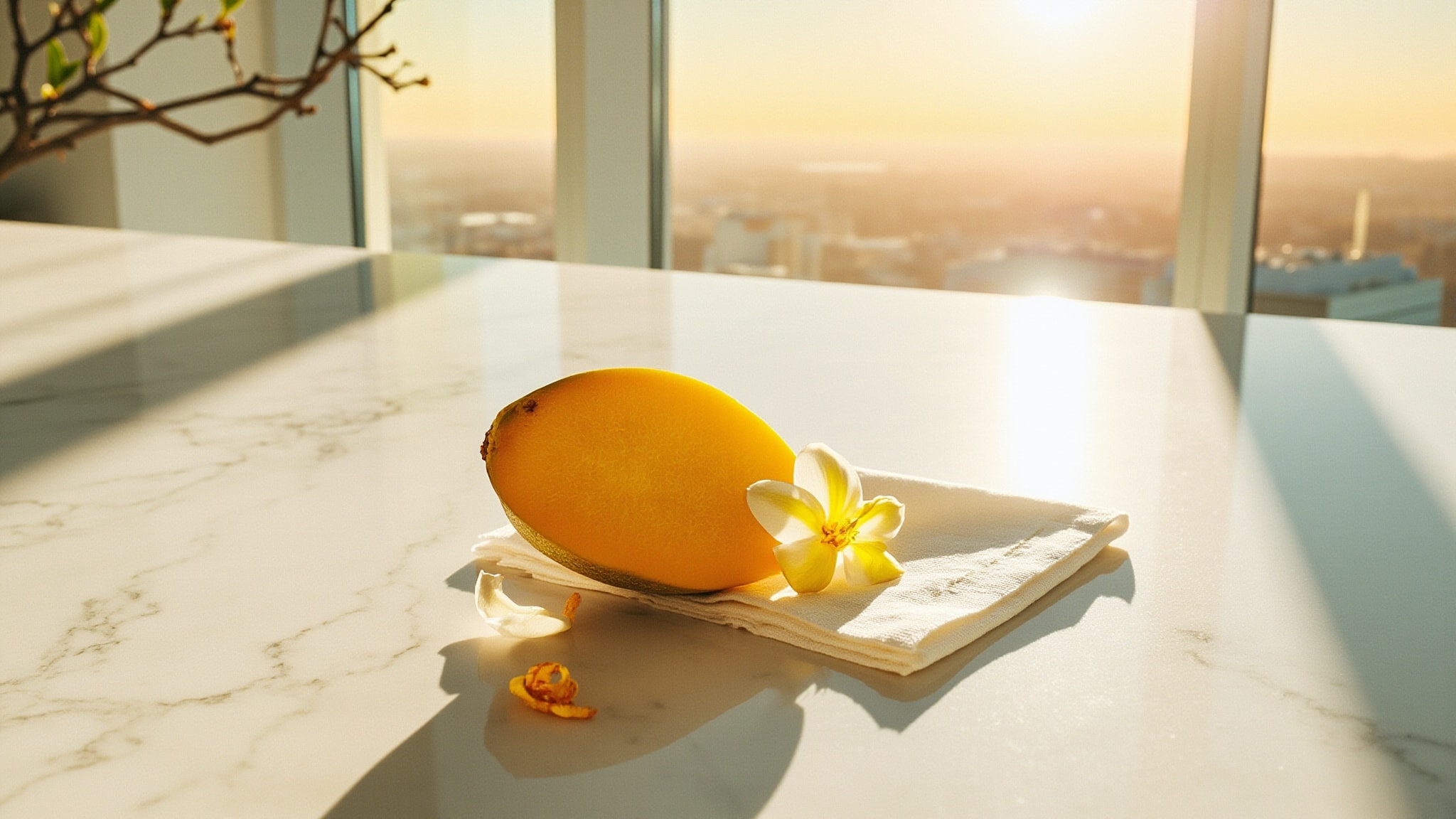
What defines this composition is a measured hand with the sweetness. Mango in fragrance is a gamble; too much and it becomes tropical punch or, worse, candy. Here it functions as a bridge note between the bright citrus opening and the creamy tiare-ylang heart, adding a fleshy warmth without dragging the composition toward syrup. The solar accord, listed explicitly in the fragrance's note pyramid, gives the drydown its skin-warmed quality, a smooth radiance that reads as golden-hour light translated into scent.
The evolution
The opening arrives with a clean, almost cologne-like clarity. Bergamot and mandarin orange crack bright for the first wave of wear, sharp enough to cut through humidity but not so aggressive that they announce the perfume from across a room. There's a brief, almost imperceptible bitter edge here, more suggestion than statement, that makes the citrus feel alive rather than synthetic. By the next phase the composition pivots hard. The citrus doesn't fade so much as it gets absorbed into the heart, and suddenly you're in a different garden. Magnolia opens cool and creamy, then the tiare flower arrives with its dense, almost coconut-adjacent sweetness. Ylang-ylang adds a golden, slightly spicy fullness underneath, and the mango surfaces just enough to keep everything from feeling too white-floral serious.
Cultural impact
Rosamor Eau d'Ete occupies an odd corner of the fragrance world. It arrived in 2005 as a seasonal flanker to the original Rosamor, and its tropical floral profile set it apart within the brand's own catalog, offering a distinctly brighter, sunnier counterpoint to the original's softer, more powdery character. Production was apparently discontinued, which lends the fragrance a particular gravity for those who encountered it during its retail years.