The Story
Why it exists.
The beginning
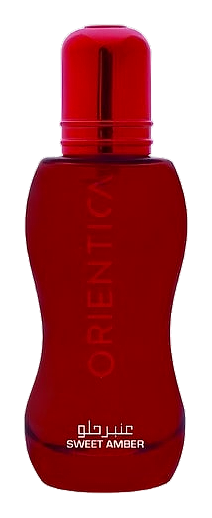
The name points at amber without confining itself there, and the composition earns that looseness. Saffron threads through the opening with a dry, almost leathery heat, the kind that registers more on the nose than on the tongue. Cypriol root carries the deeper weight, that earthy, vetiver-adjacent smokiness that anchors so much of the region's older perfumery. Rosewood adds a creamy, pinkish warmth beneath those heavier notes, while oud shows up not as the main event but as architecture, giving the whole thing its shape. It's a composition built on the materials Arabian perfumery has leaned on for centuries, arranged with a hand that knows when to stop adding. Nothing feels like it's competing for attention.
What separates this from a textbook oriental is the cypriol, also called nagarmotha. The root oil adds an earthy, smoked-vetiver undertone that most amber compositions either hide or miss entirely. Paired with palisander rosewood at the heart, the two create a creamy, woody spine that holds the florals aloft instead of drowning them. The aldehydes at the top are the surprise: a sharp, almost soapy lift that keeps the opening from collapsing into syrup before the warmer notes arrive.
The evolution
The first ten minutes are the loudest. Aldehydes flash cold and clean over bergamot, then saffron arrives with its leathery heat, cypriol smolders underneath. This is the phase that gets compared to soapy cologne by some, old-school barbershop polish by others. It's deliberately so, a brief moment of structure before everything softens. By the thirty-minute mark the florals take over: jasmine, ylang-ylang, rose, and violet unfolding in a dense bouquet that still carries the saffron's warmth. Rosewood gives it body without making it heavy. This is where most people will spend their evening, because the heart holds for hours. The drydown arrives around the four-hour mark and stays. Oud, patchouli, guaiac wood, and sandalwood settle into something dense and close to the skin. The sweetness is now an afterthought, more like the memory of amber than amber itself. On clothing the next morning, it reads quieter, almost smoky, the saffron long gone, the wood still very much present.
Cultural impact
Wearers who find Sweet Amber tend to keep returning for the saffron-cypriol pairing, which doesn't show up in most mainstream orientals. That combination gives the fragrance its particular character, the saffron's bright, slightly bitter lift playing against cypriol's smoky, rooty depth, and most commercial amber compositions lean on vanilla or labdanum instead. What makes this one distinctive is the absence of those sweeter scaffolding notes. There's no gourmand layer underneath the spice, no syrupy base trying to round everything off.