

The Heritage
The Story of Orientica
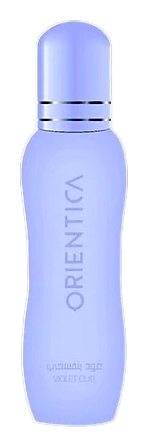
Orientica Perfumes is a Dubai‑based fragrance house that creates concentrated, long‑lasting scents inspired by the olfactory traditions of the Middle East. The brand’s catalogue includes Risha (2019), Deen Sahir (2018), Alessa (2022) and a series of oud‑centric releases such as Malik Al Oudh Dhahab (2018) and Violet Oud (2018). Orientica positions its offerings as artisanal blends that balance classic Arabian ingredients with contemporary composition techniques, appealing to collectors who value depth and persistence in a perfume.
Heritage
Orientica Perfumes emerged in the United Arab Emirates during a period when the regional market saw a surge of niche houses focused on oud and amber. The company registered its trade name in Dubai in 2018, a year that also marked the launch of its first public collection, including Deen Sahir and Malik Al Oudh Dhahab. Early press coverage noted the brand’s rapid acceptance among boutique retailers in the Gulf, where consumers praised the intensity of the launch scents. By 2020, Orientica expanded its distribution to specialty stores in Saudi Arabia and Qatar, and it began to appear in curated fragrance events in London and Paris. In 2022 the house introduced Alessa and Rich & Ruitz Arabian, signaling a shift toward more floral and gourmand accents while retaining its signature oud base. The same year the brand reported a partnership with a high‑end department store in Dubai, allowing a dedicated counter to showcase the full Royal Collection. Throughout its growth, Orientica has maintained a small‑batch production model, limiting each release to a finite number of bottles to preserve exclusivity. The brand’s trajectory reflects a broader regional trend: the blending of heritage ingredients with modern perfumery to meet the expectations of a global collector community.
Craftsmanship
Production at Orientica follows a small‑scale, hands‑on approach. The house sources raw oud chips from certified farms in the Musandam Peninsula, where the trees mature for at least 30 years before harvest. These chips undergo a traditional steam distillation process that extracts a rich, resinous oil, which the perfumers then age for several months in glass containers to allow the volatile notes to settle. In addition to oud, the brand incorporates Indian sandalwood, Egyptian ambergris, and Moroccan rose, each procured from suppliers with documented traceability records. The blending stage takes place in a climate‑controlled laboratory in Dubai, where master perfumers measure each component by weight, often using a 1:1:1 ratio for base, heart, and top accords before fine‑tuning. Quality control includes a double‑blind panel test that evaluates longevity, sillage, and balance on both skin and blotter. Bottles are filled by hand using stainless‑steel pumps to avoid contamination, and each batch receives a signed certificate of authenticity. The final product is sealed with a cork that bears the Orientica emblem, then packaged in a matte black box lined with silk, reflecting the brand’s emphasis on tactile experience as part of the overall fragrance ritual.
Design Language
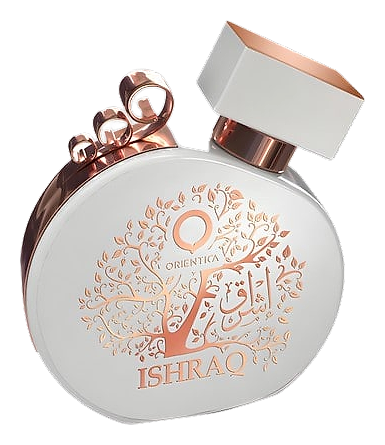
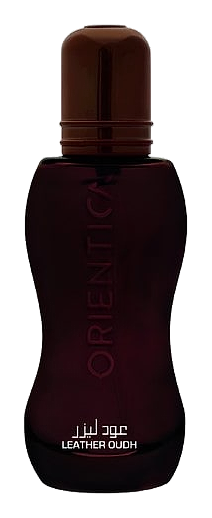
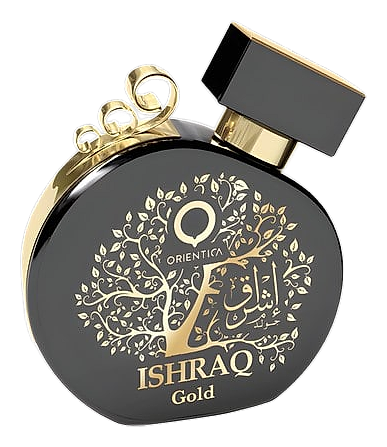
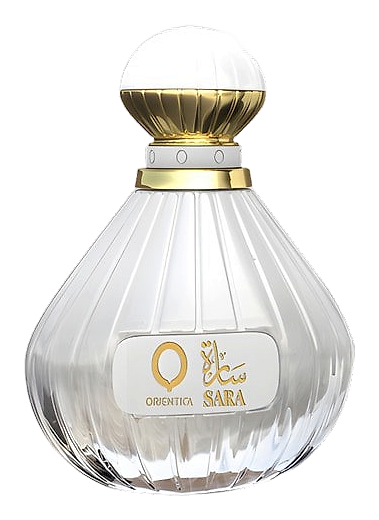
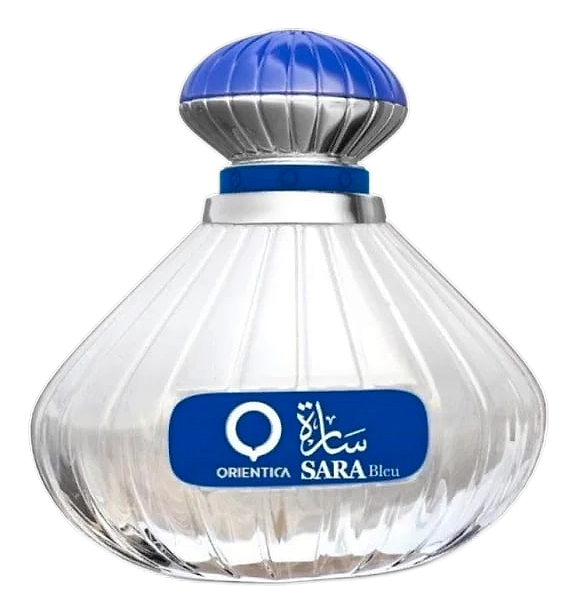
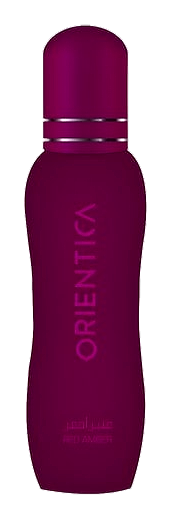
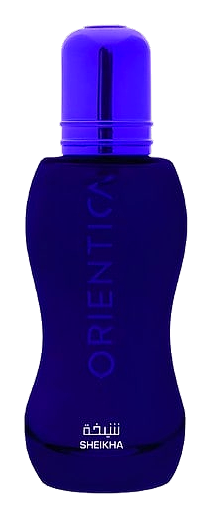
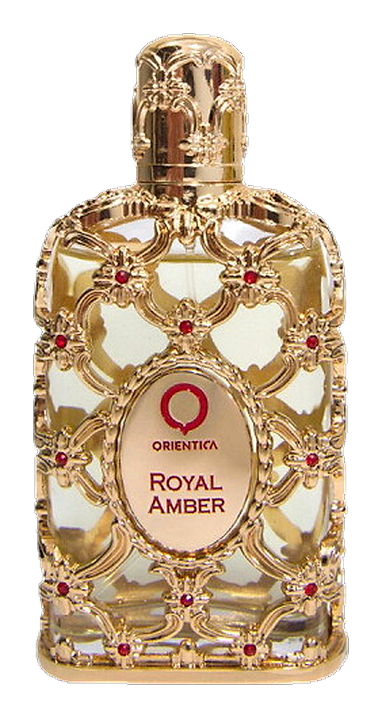
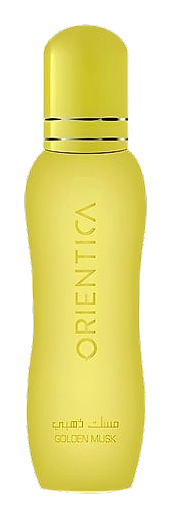
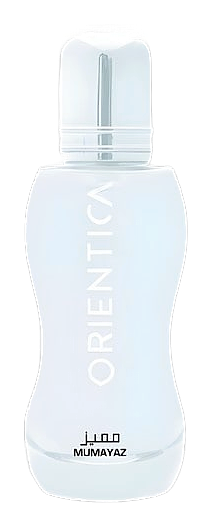
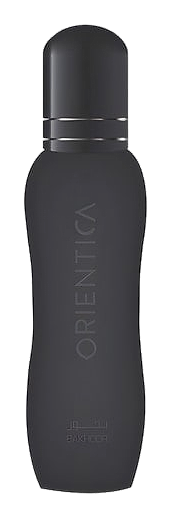
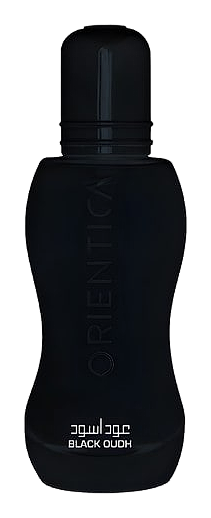
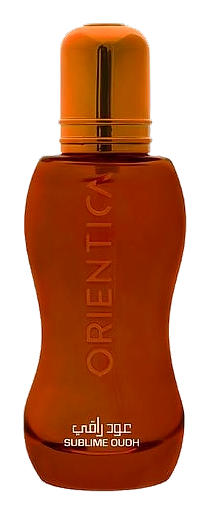
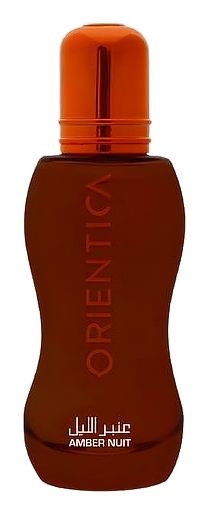
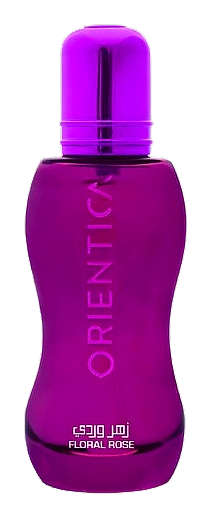
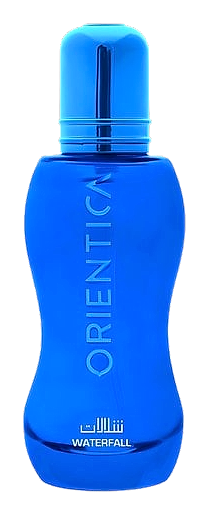
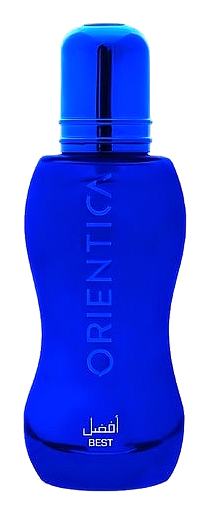
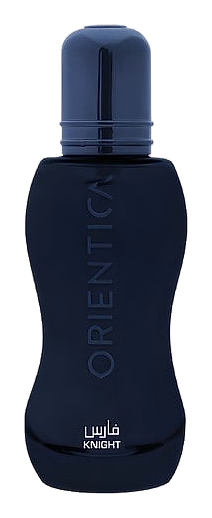
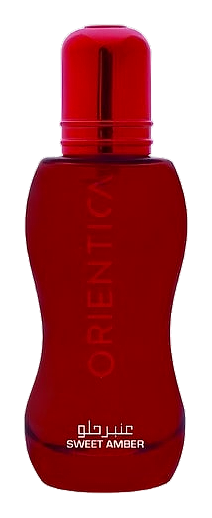
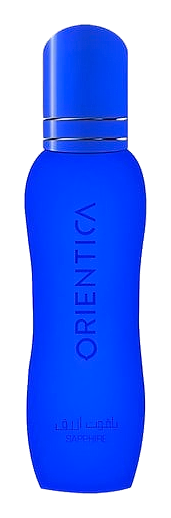
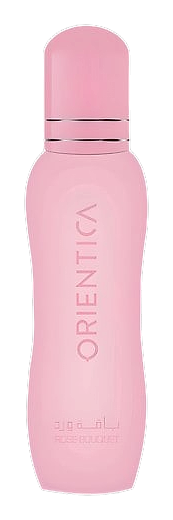
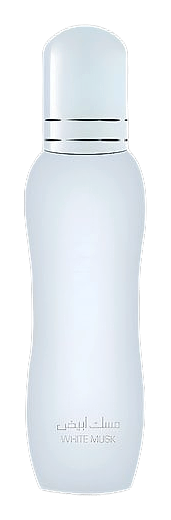
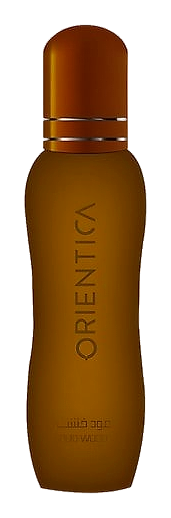
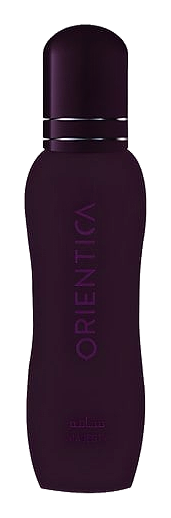
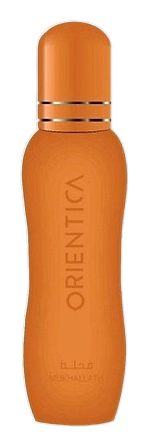
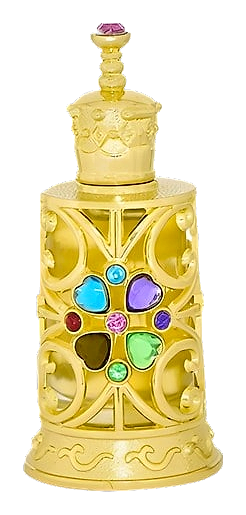
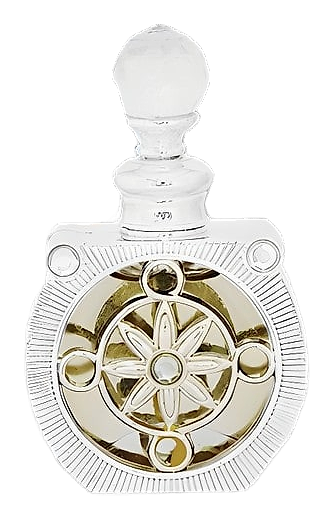
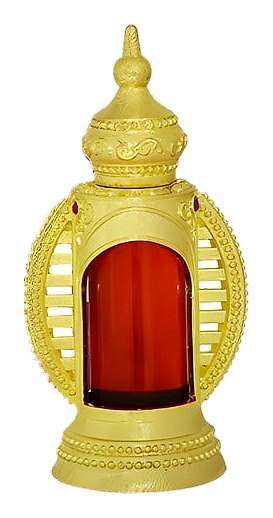
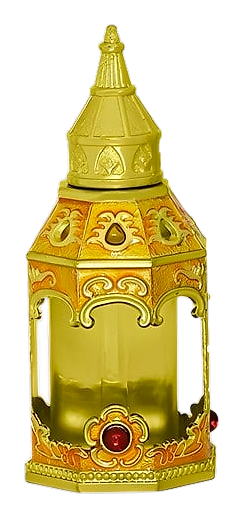
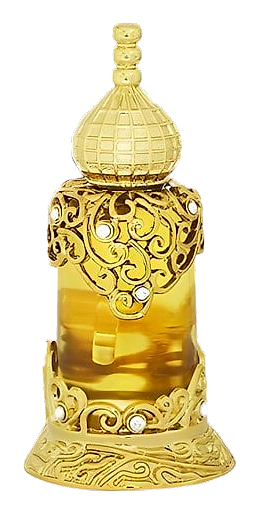
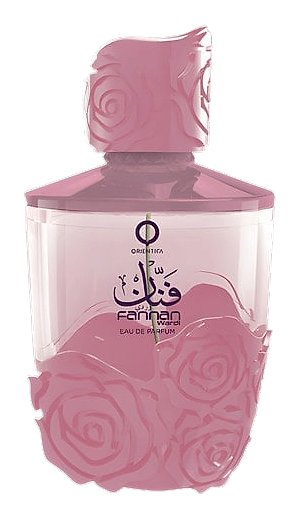
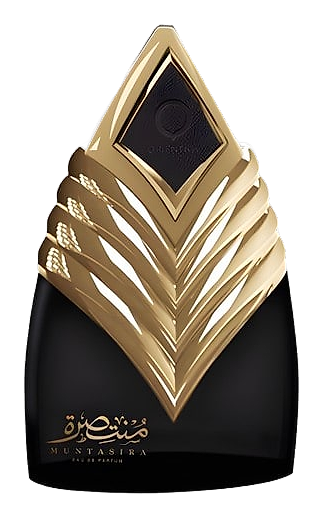
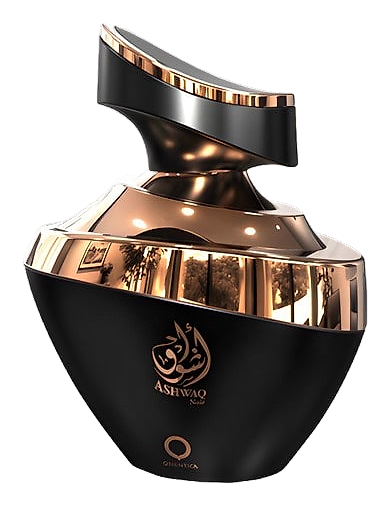
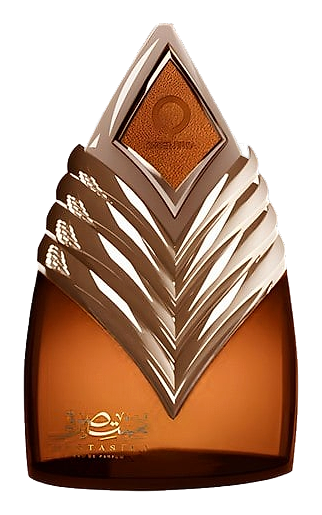
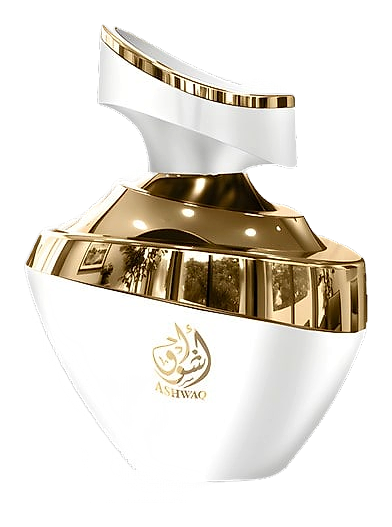
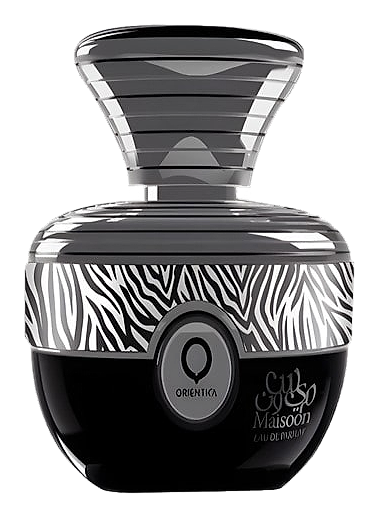
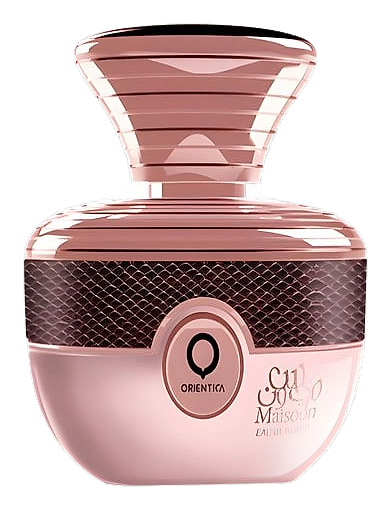
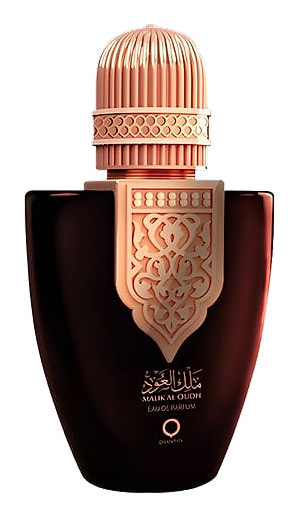
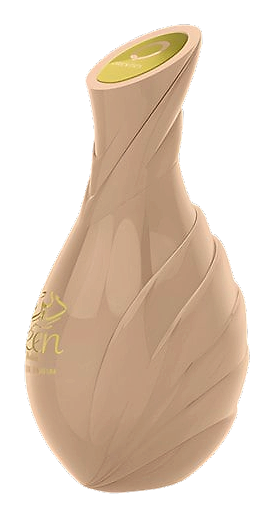
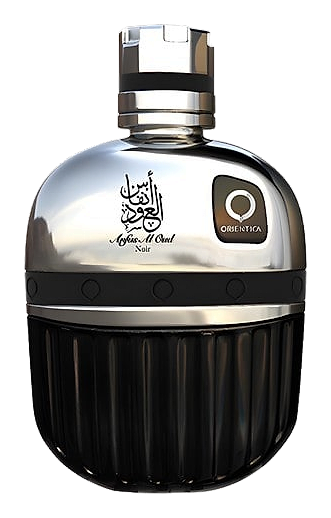
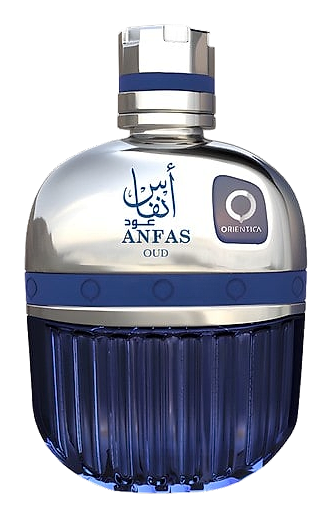
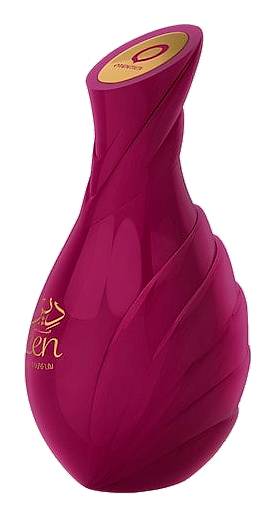
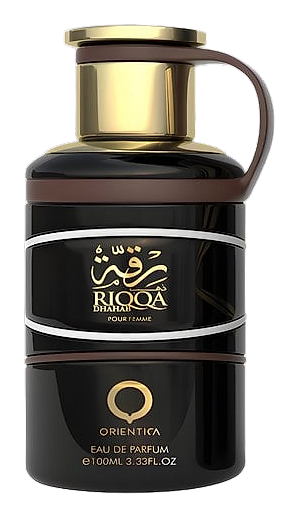
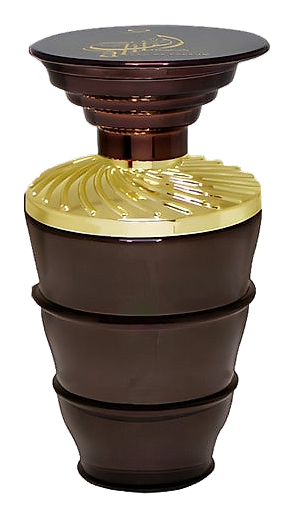
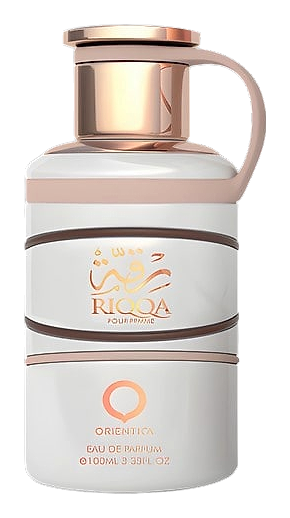
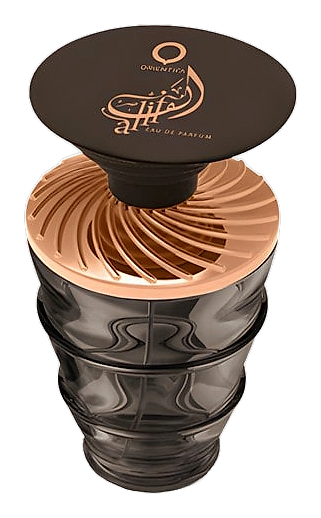
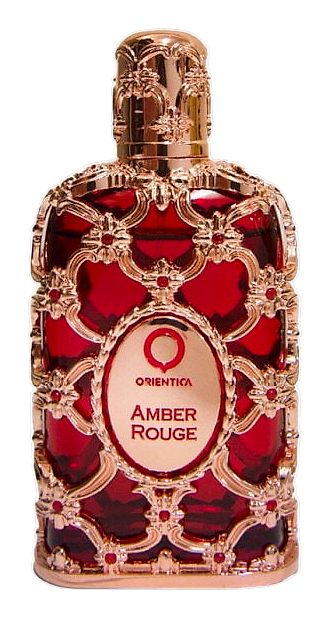
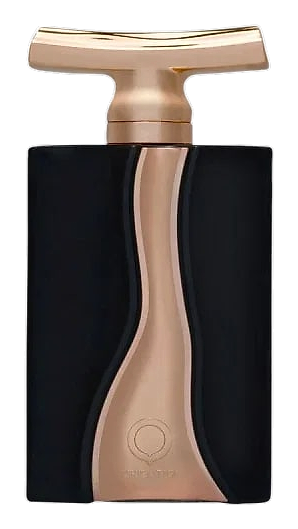
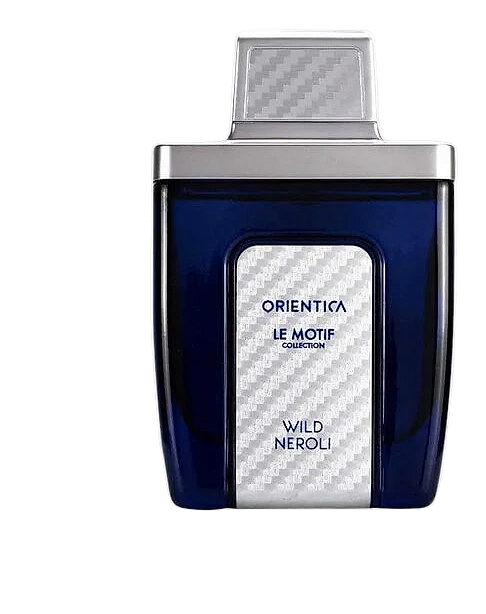
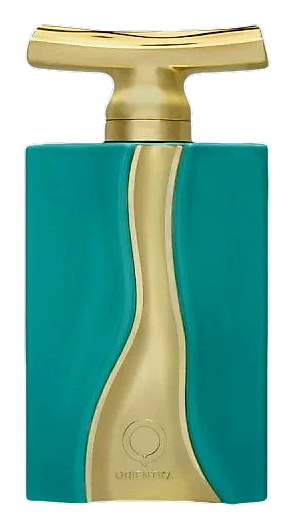
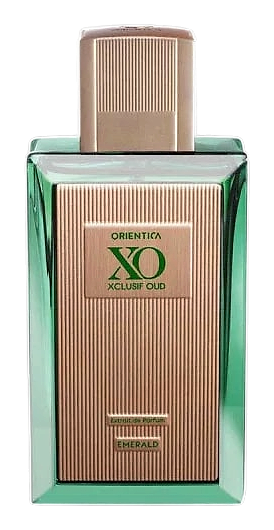
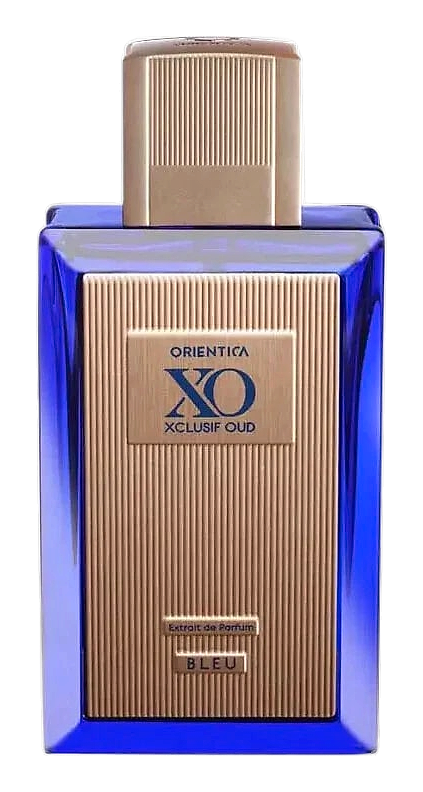
Visually, Orientica adopts a minimalist yet regal aesthetic. The bottle silhouette is a tall, slender cylinder with clean lines, echoing the architecture of modern Dubai skyscrapers. The glass is often tinted in deep amber or midnight blue, allowing the perfume’s hue to be glimpsed while protecting the liquid from light exposure. The brand’s logo—a stylized Arabic calligraphic swirl—appears in gold foil on the front of the bottle and on the magnetic closure of the outer box. Marketing imagery frequently features desert dunes at sunrise or the interior of a traditional souk, juxtaposed with contemporary interiors, underscoring the blend of heritage and modernity that the house promotes. Typography on the packaging uses a sans‑serif typeface for readability, while Arabic script is employed for the fragrance name, reinforcing the cultural roots of each scent. The overall visual language conveys quiet confidence, inviting the consumer to explore the fragrance without overt hype.
Philosophy
Orientica’s creative outlook centers on honoring the raw materials that define Arabian perfumery while interpreting them through a contemporary lens. The house states that it seeks "passion and perfection" in every blend, a claim that aligns with interviews given by its in‑house perfumers, who describe a process that begins with field visits to oud farms in Oman and sandalwood sources in India. The brand values transparency, often listing the origin of key ingredients on its product pages. Sustainability appears in its statements, with references to responsibly harvested agarwood and a preference for natural extracts over synthetic substitutes when possible. Orientica also emphasizes the personal narrative of scent, encouraging wearers to view each fragrance as a chapter in an evolving story rather than a static product. This philosophy informs the limited‑edition releases, which are timed to coincide with cultural moments such as Ramadan or the Dubai Shopping Festival, allowing the house to connect its olfactory creations with the rhythms of regional life.
Key Milestones
2018
Orientica Perfumes registers its trade name in Dubai and launches its inaugural collection, including Deen Sahir and Malik Al Oudh Dhahab.
2019
Risha is released, gaining coverage in regional fragrance blogs for its balanced oud and spice profile.
2020
The brand expands distribution to specialty retailers in Saudi Arabia and Qatar, and participates in fragrance exhibitions in London.
2022
Alessa and Rich & Ruitz Arabian debut, marking a shift toward floral and gourmand notes within the house’s portfolio.
2023
Orientica opens a dedicated counter at a luxury department store in Dubai, offering the full Royal Collection to walk‑in clients.
At a Glance
Brand profile snapshot
Origin
United Arab Emirates
Founded
2018
Heritage
8
Years active
Collection
3
Fragrances released
Avg Rating
3.9
Community sentiment
Release Rhythm


