The Story
Why it exists.
The beginning
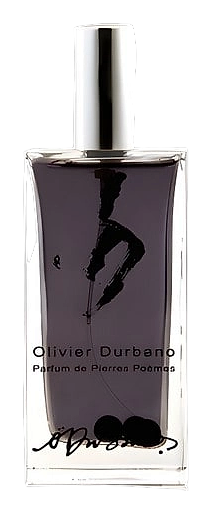
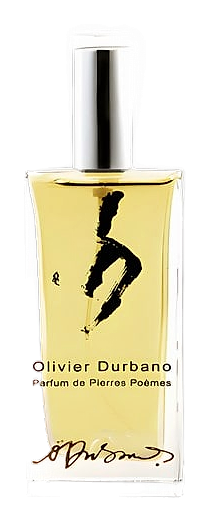
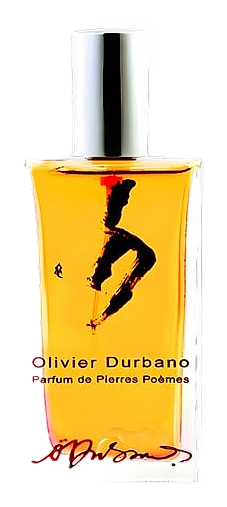
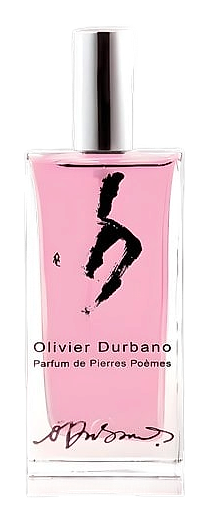
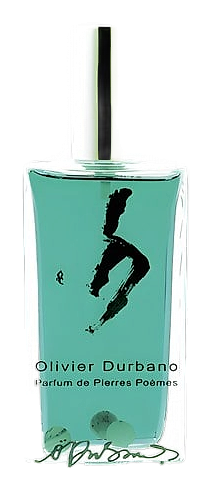
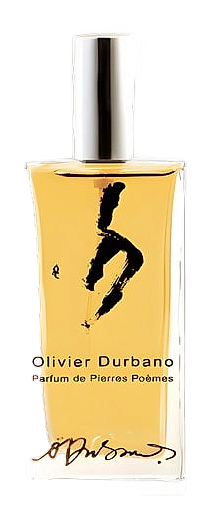
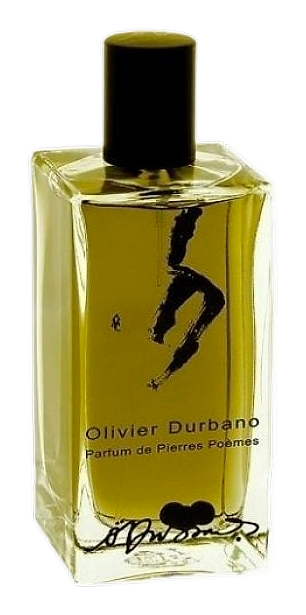
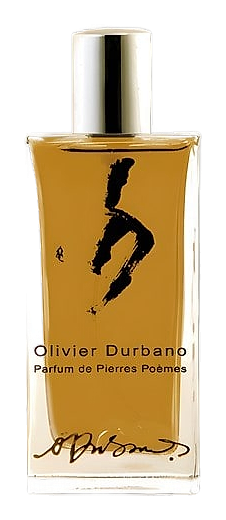
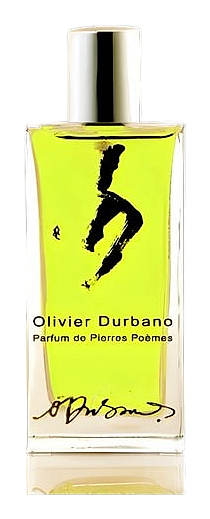
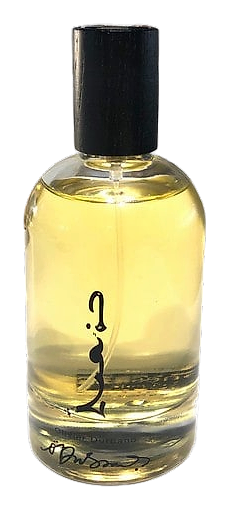
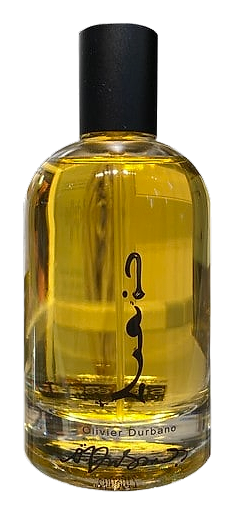
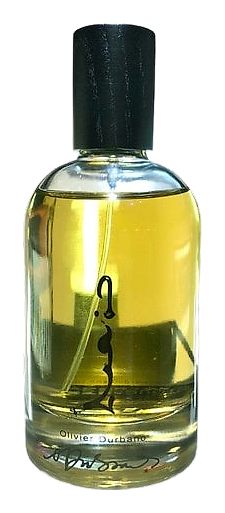
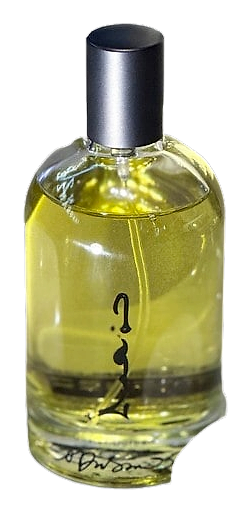
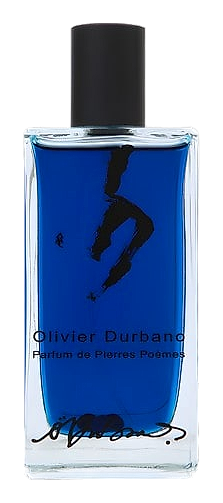
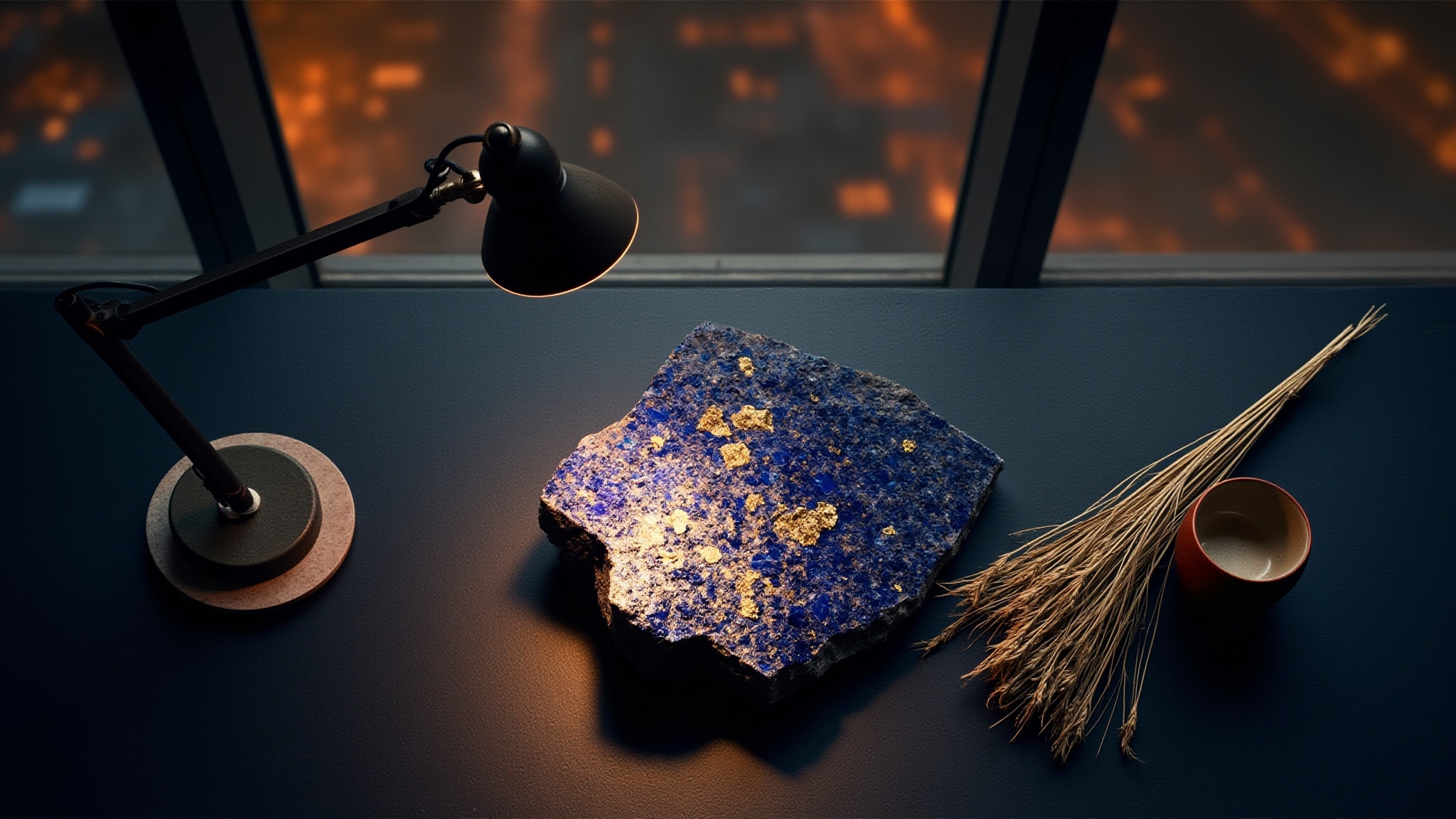
Lapis Lazuli, subtitled "Pierre du Ciel", stone of the sky. Olivier Durbano released it as part of his ongoing project translating minerals into scent, drawing on the deep blue lazuli prized since antiquity, flecked with golden pyrite that catches light like trapped stars. Sumerians called it "Sky Stone" and imported it from Badakhshan, the remote region between modern Afghanistan and Tajikistan. Egyptians ground it for cosmetics and carved it into talismans. For thousands of years this was the colour of the divine. Durbano's version translates the visual into the aromatic. Where the stone reads cold and mineral with flashes of warmth, the composition builds from bitter green aromatics toward a powdery iris heart and a base of tolu balsam and amber that glows like pyrite under low light.
The unusual move is the wheat note sitting in the heart, placed between thyme and iris. Rather than letting the composition drift into pure abstraction, that cereal thread grounds the iris in something harvested, something with soil still clinging to it. It keeps the fragrance tethered to earth even as the mineral concept floats elsewhere. The other structural choice worth noting is artemisia up top paired with rose, a pairing more common in vintage fougères than modern launches. Wormwood brings bitter, almost medicinal greenness. Rose anchors it with the faintest sweetness.
The evolution
The opening is the coldest phase. Wormwood and cypress arrive together, sharp and green with a faint camphor edge, the rose barely a suggestion underneath. Cloves add a low warmth that pulses at the base of the opening without softening it. This phase reads vertical, almost architectural, the kind of opening that makes people sit up straighter. As the composition settles, the thyme and wheat have settled into the iris, and the composition rounds out. The powder is present but not cosmetic, it reads more like dry earth or chalk than makeup. The tolu balsam begins its slow climb, adding a brown sweetness that has nothing to do with the gourmand spectrum. Later, elemi and vetiver emerge with a faint resinous brightness that lifts the heavier notes without breaking the meditative mood. The drydown is where this earns its keep.
Cultural impact
Lapis Lazuli sits comfortably in the niche collector's shelf rather than the mainstream fragrance conversation. Wearers tend toward the contemplative end of the spectrum, people drawn to mineral-coded compositions and the iris-and-balsam register that few houses commit to with this much austerity. Durbano's version is uncompromising in its bitter-cold opening and lets the warmth earn its arrival through long hours of patient wear. It's not a fragrance that tries to please crowds. It rewards patience and rewards skin that runs cool.
The House
Olivier DurbanoOlivier Durbano translates the language of semi‑precious stones into scent. The Paris‑based designer launched his first perfume, Cristal de Roche, in 2005 and has since built a modest catalogue that references minerals such as black tourmaline, pink quartz and amethyst. Each fragrance unfolds like a quiet meditation on colour, texture and memory, offering collectors a tactile link between jewellery and perfume.
The Creator
Olivier DurbanoOlivier Durbano builds his scents like an architect builds a façade. He starts with a mineral accord—often a fine powder of crushed quartz or a trace of volcanic ash—then layers natural absolutes such as Bulgarian rose, Sicilian bergamot, and Indian sandalwood.