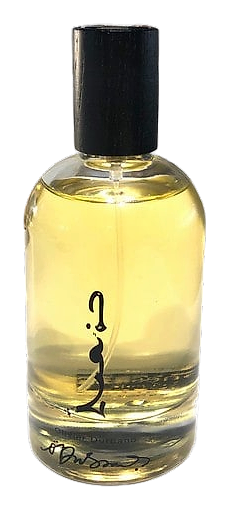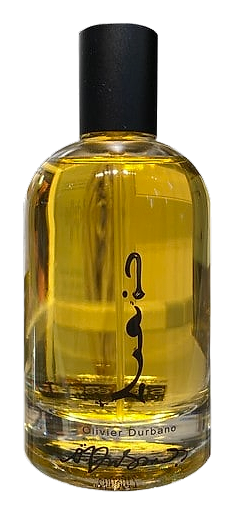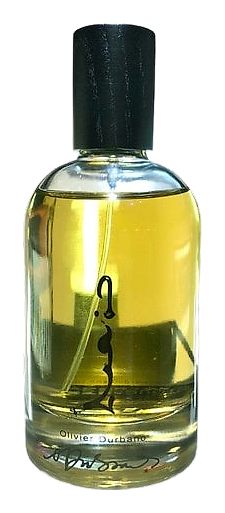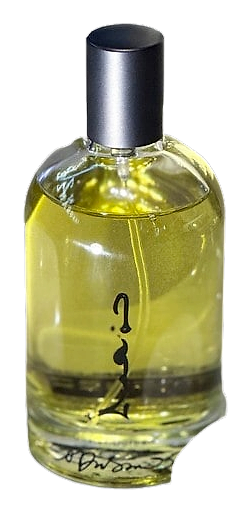
The Story
Why it exists.
The beginning
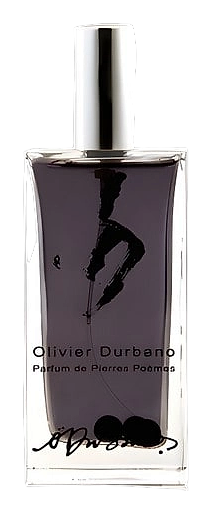
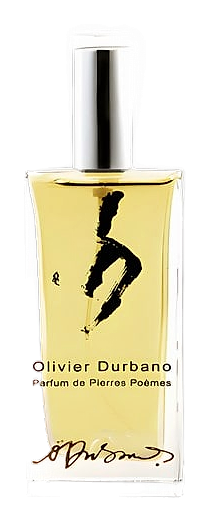
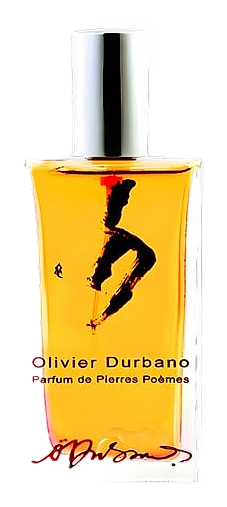
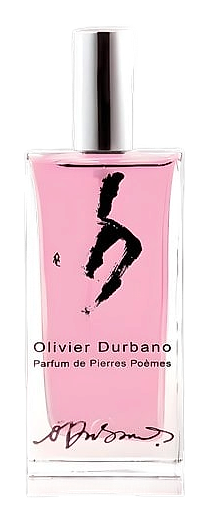
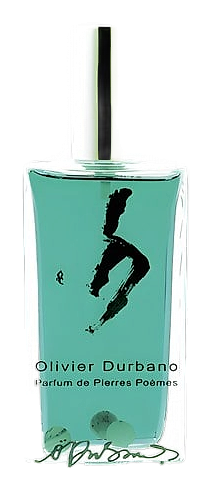
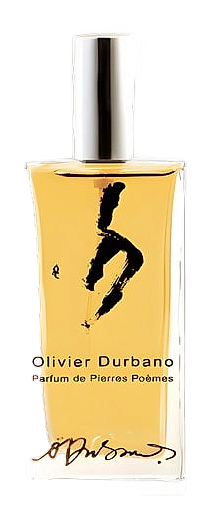
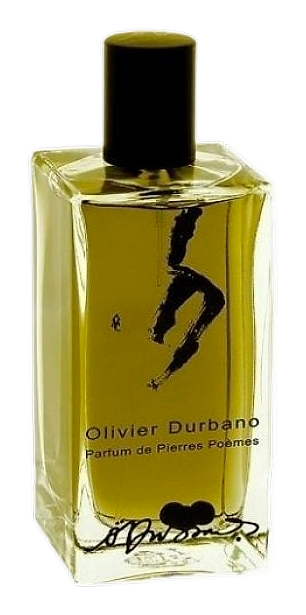
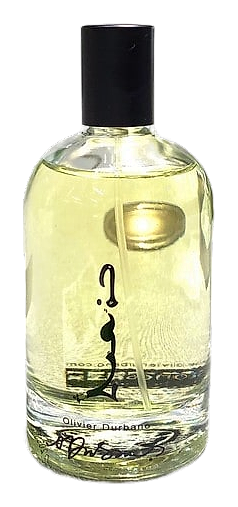
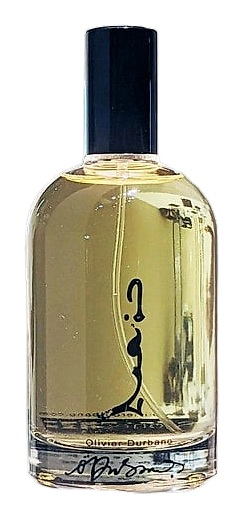
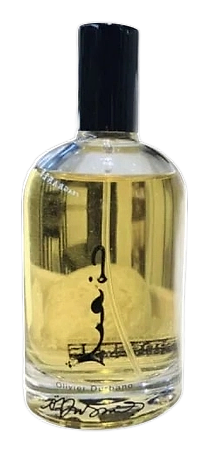
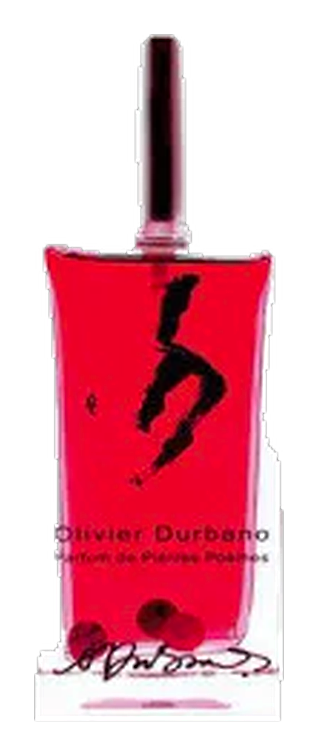
Olivier Durbano, trained as an architect and later as a jeweller, built his brand around a singular concept: translating precious gemstones into wearable scent. Founded in France in 2004, this perfume exudes a unique and warm aroma. Heliotrope, the ancient "blood stone", provided the latest opportunity for this mineral-obsessed perfumer to explore a paradox. The stone's vivid red invites associations with fire, yet its name derives from the Greek word for sun-turning, a reminder of its cool mineral essence. In 2012, Durbano set out to capture both qualities simultaneously.
Durbano's note philosophy prioritizes structural integrity: each ingredient must earn its place through contribution to the larger architecture, not mere aesthetic appeal. The Chili-Ginger pairing serves a specific function, creating an initial heat signature that clarifies and makes room for the quieter florals that follow. The use of Heliotrope itself as both stone namesake and note is characteristic of the brand's approach to gem-perfume translation. The resinous base, anchored by Myrrh, Benzoin, and Cedarwood, provides the geological skeleton that holds everything together, while the florals are the surface expression, subject to light and temperature. This is perfume as mineralogy, not fantasy.
The evolution
The opening is an act of controlled aggression. Chili and Ginger create an immediate, almost startling heat, quickly tempered by the citrus freshness of Red Mandarin Orange. Elemi Resin and Frankincense provide a smoky, ceremonial incense quality from the start, while Angelica adds an herbal sharpening that prevents the accord from becoming too sweet. This initial phase lasts roughly twenty minutes before the florals begin asserting themselves. Heliotrope, named for the stone itself, brings its powdery, vanilla-adjacent sweetness and begins to interweave with Magnolia's creamy white florals, Saffron's metallic spice, and Cypriol's dark mineral-earth character. The transition is not gentle; the florals and spices negotiate for dominance in a way that rewards attention. As the fragrance moves into its drydown, the spice and citrus fully recede. Ambergris emerges as the dominant force, lending a mineral-oceanic sweetness that is simultaneously warm and strange.
Cultural impact
Since its 2012 debut, Heliotrope has sparked conversation among niche enthusiasts for its daring blend of incense and heliotrope, often cited alongside Black Tourmaline as a hallmark of Durbano’s stone‑driven narrative. The fragrance has been featured in several boutique launch events across Europe, inspiring a wave of mineral‑themed creations that echo its bold character and reinforcing the brand’s reputation for translating gemstones into olfactory art, a trend that continues to influence new releases in the niche market.
The House
Olivier DurbanoOlivier Durbano translates the language of semi‑precious stones into scent. The Paris‑based designer launched his first perfume, Cristal de Roche, in 2005 and has since built a modest catalogue that references minerals such as black tourmaline, pink quartz and amethyst. Each fragrance unfolds like a quiet meditation on colour, texture and memory, offering collectors a tactile link between jewellery and perfume.
The Creator
Olivier DurbanoOlivier Durbano builds his scents like an architect builds a façade. He starts with a mineral accord—often a fine powder of crushed quartz or a trace of volcanic ash—then layers natural absolutes such as Bulgarian rose, Sicilian bergamot, and Indian sandalwood.