The Story
Why it exists.
The beginning
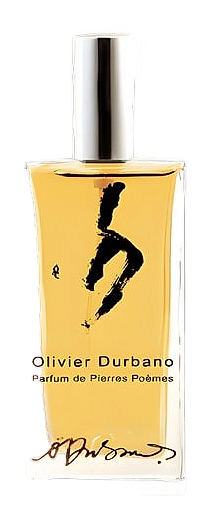
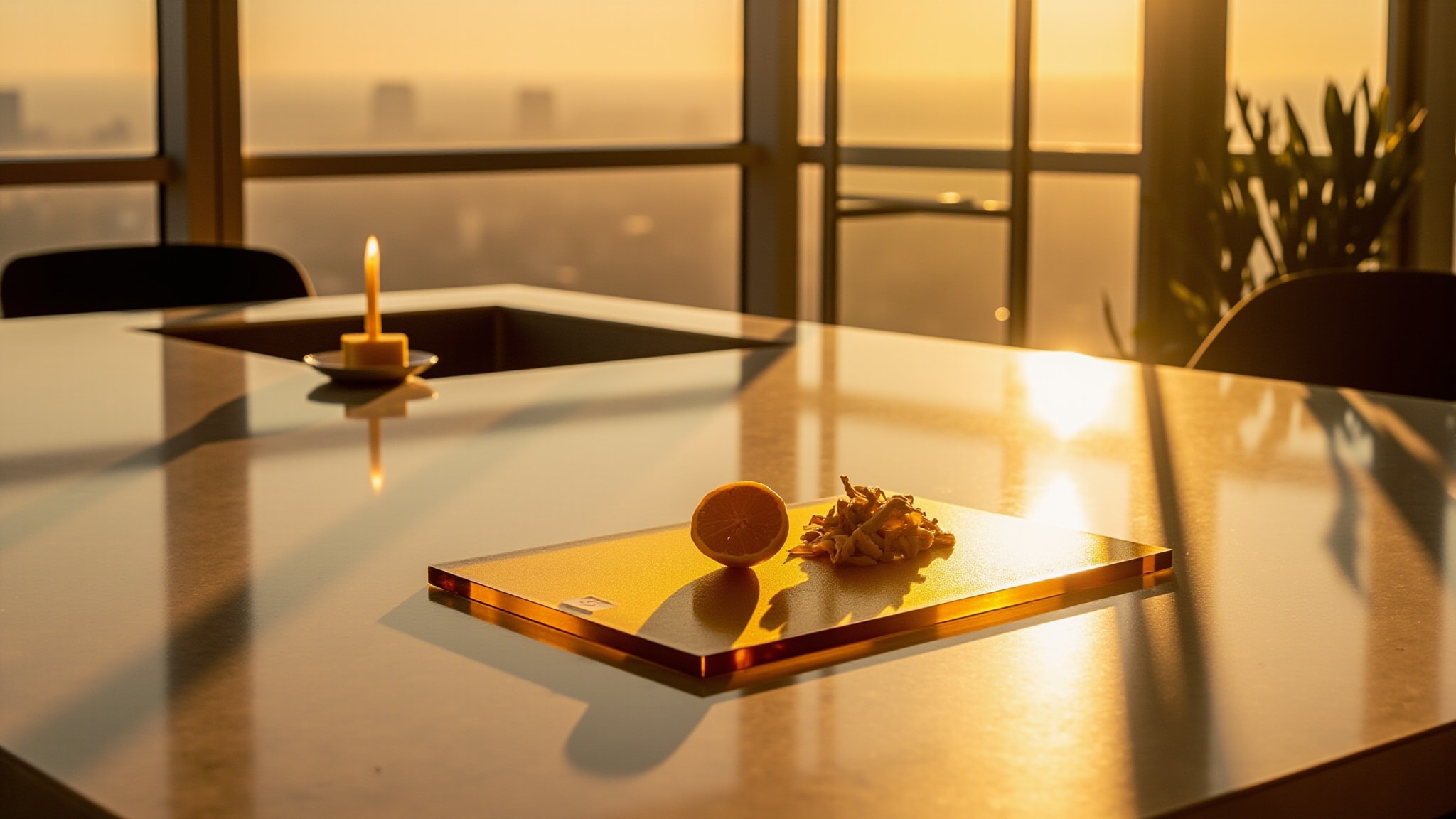
Citrine is the November birthstone, a quartz range spanning yellow to amber-orange, rarer than most gems and long associated with inner fire, clarity, and the dissipation of negative energy. Olivier Durbano selected it for the warmth it carries: not the sharp brightness of a citrus burst, but something deeper, steadier, more contemplative. The 2011 release translates that solar quality into scent, a golden-hour composition built around citrus, ginger, and a warm resinous heart that feels like late afternoon light through amber glass. For a house that thinks in stones, Citrine represents the optimistic end of the palette: a stone that glows rather than refracts, worn by someone who finds clarity in warmth rather than cool distance.
The note structure holds a quiet tension. Ginger and pink pepper push the citrus opening away from the ordinary, it's not a fresh-morning opening but something with a little more intention, a spice-tinged brightness that warms rather than shocks. The heart layers guaiac wood and palisander rosewood, two materials that sit close to each other on the woody spectrum but offer different textures: guaiac's smoky lift, rosewood's subtle sweetness. Mimosa and carrot seed appear briefly, adding an aromatic, slightly earthy undertone that keeps the heart from reading as purely warm. The base is where Citrine earns its stone name. Beeswax anchors the composition with a waxy, slightly honeyed warmth.
The evolution
The opening announces itself clearly: Sicilian lemon, ginger, and pink pepper, with elemi resin adding a subtle balsamic lift that prevents the citrus from reading as cleaning product. There's brightness here, but it's warmed by the ginger, clean heat rather than sharp cold. This phase holds for 30 to 45 minutes before the hand-off begins. The heart arrives gradually. Rosewood and guaiac wood emerge first, shifting the composition from citrus-spice toward something warmer and woodier. Mimosa and carrot seed appear briefly, an aromatic, slightly dusty quality that keeps the heart grounded and prevents it from becoming sweet. This is the shortest phase on most skin types, lasting perhaps an hour before the base takes over. The drydown is where Citrine becomes itself. Beeswax dominates, supported by myrrh and amber, a warm, waxy, slightly smoky combination that feels like afternoon light through amber glass. Musk keeps everything close to the skin. This phase lasts for hours on most wearers, with a subtle sillage that rewards the wearer more than the room.
Cultural impact
In the stone-inspired niche category, Citrine occupies a specific position, warm and accessible without sacrificing complexity. It appeals to the collector who found Black Tourmaline too dark and wants something with the same contemplative quality but more brightness. The house's commitment to small-batch French production means each release carries the weight of intention.