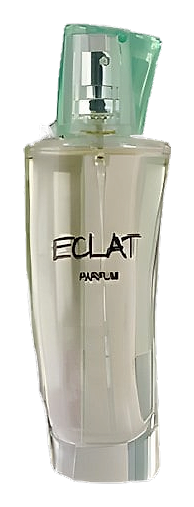

The Story
Why it exists.
The beginning
Novaya Zarya has spent over a century translating Russian cultural experience into fragrance. Eclat, named for the French word for brilliance, for sparkle, for the light that catches, arrived as a statement about brightness without fragility. The house wanted a fragrance that opened with clear, cold light and didn't lose itself in sentimentality as it developed. Bergamot and mandarin at the top. Hyacinth to add green depth. This was meant to be radiance with structure.
The heart of orange blossom and rose is where Eclat makes its case for seriousness. Most fragrances soft-pedal their florals once the base arrives. Here, sandalwood and orris root keep the floral layer grounded but never buried. The civet and castoreum in the base aren't accidents, they're the house's way of saying this fragrance has a pulse. Vanilla and tonka bean sweeten, but benzoin and amber keep everything resinous, warm, and just slightly wild.
The evolution
Eclat opens bright and immediate, bergamot and mandarin zest, hyacinth's green cut. For the first twenty minutes, it's pure morning energy. Then the hand-off begins: orange blossom rises, rose appears quietly underneath, and the citrus recedes without disappearing entirely. The sandalwood anchors everything mid-development, giving the floral heart a creamy, almost lactonic quality. By hour two, the base takes over, vanilla and tonka bean warm up, but civet and castoreum add an animalic depth that keeps the sweetness from becoming sentimental. The drydown is powdery, warm, and slightly wild. On skin, expect four to six hours of presence. On fabric, it lingers overnight.
Cultural impact
Novaya Zarya has maintained its presence in Russian perfume culture since 1912, surviving Soviet-era restrictions and post-Soviet economic turmoil to remain one of the few continuous Eastern European fragrance houses. Eclat represents the house's commitment to the Oriental Floral tradition that defined pre-revolutionary Russian perfumery, bridging a gap between Imperial Russian luxury and Soviet utilitarian aesthetics. The civet and castoreum in the formula reflect pre-synthetic perfumery techniques still practiced in limited capacity today.