
The Story
Why it exists.
The beginning
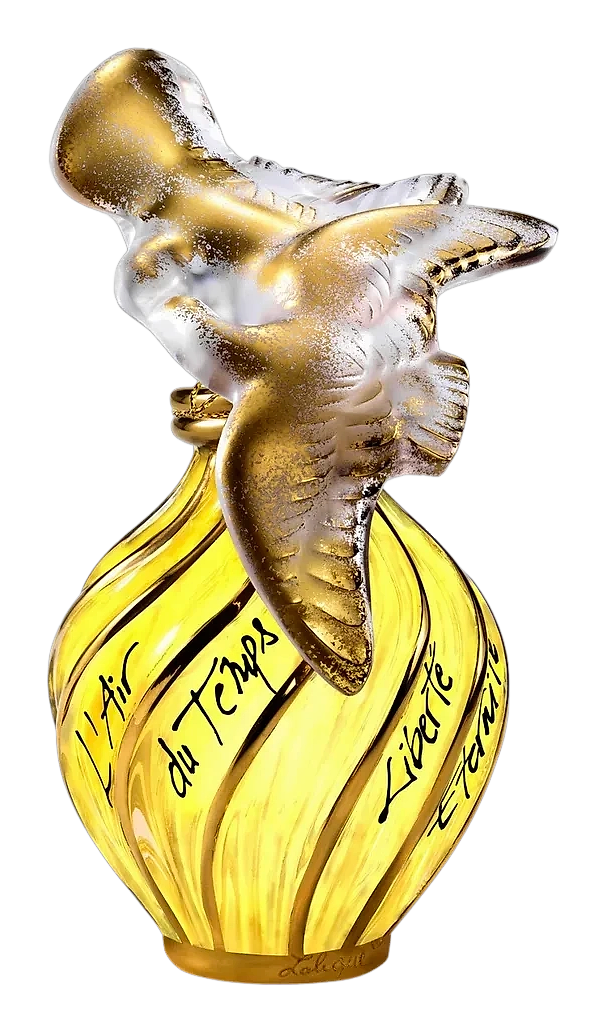
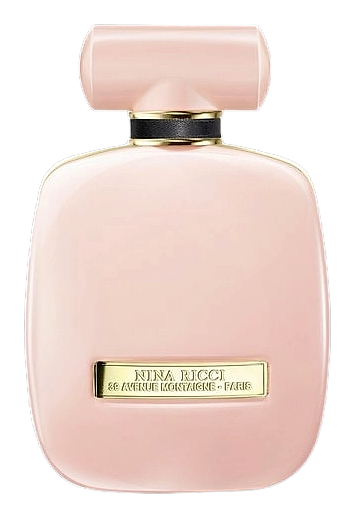
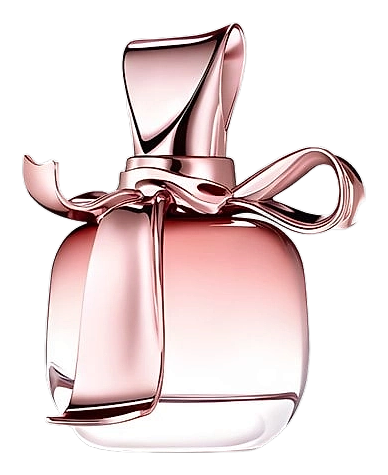
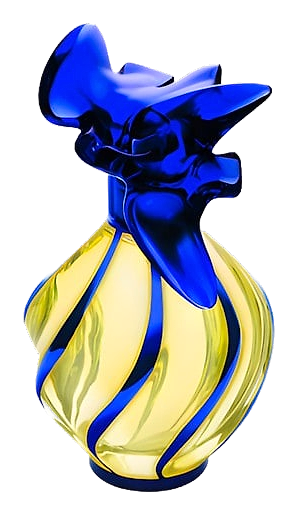
L'Air du Temps by Olivia Putman is a 2013 collector's edition of Nina Ricci's most iconic fragrance, first released in 1948. The original's twin-dove Lalique flacon became one of the most recognized bottles in perfumery, a symbol of the house's romantic sensibility and its belief that femininity needs no defense. For this special edition, the house invited Olivia Putman to reinterpret the classic in a new collector's flacon, continuing a conversation that began over six decades earlier. The collector bottle carries forward the Lalique dove motif and the visual heritage Maria Ricci's couture house established on Rue Haussmann. It is a gesture toward preservation, the same composition, reframed for a new audience finding its way to the house.
What makes this interpretation notable is the density of its pyramid. Carnation appears in both the opening and the heart, a deliberate structural choice that gives the composition a thread of spiced warmth running through almost every phase. Rose and neroli anchor the top, offering the characteristic brightness the original is known for, while the peach note adds a softness that reads almost as a blush. The heart layers gardenia, jasmine, and violet with a grounding of clove and rosemary, the aromatic herbs adding a green, slightly bitter counterpoint to the creamier florals.
The evolution
The opening announces itself with citrus brightness, bergamot and peach arrive first, almost aldehydic in their clarity. Within minutes the carnation emerges, warm and slightly medicinal, followed by the honeyed sweetness of neroli. The top phase lasts roughly thirty minutes before the composition shifts. The heart takes over with a generous rose and jasmine that bloom into gardenia, creamier, fuller, almost enveloping. The clove and rosemary appear as a subtle spiced-aromatic counterpoint, keeping the florals from tipping into sweetness. This is the fragrance's most classical phase, the one that connects it unmistakably to the 1948 original. The drydown arrives after two hours. Iris and vetiver arrive together, shifting the composition toward powdery dryness. The sandalwood and cedar warm the base without heaviness. Benzoin adds a faint resinous sweetness that lingers. On fabric, the drydown can persist for several more hours, close, intimate, the kind of presence that announces itself only when someone leans in.
Cultural impact
The 2013 collector's edition speaks to a specific kind of wearer, someone who already knows what they want from a fragrance and values the house's signature over novelty. It holds a particular appeal for those who appreciate classical feminine compositions and the romantic heritage of Parisian couture brought into liquid form.
The House
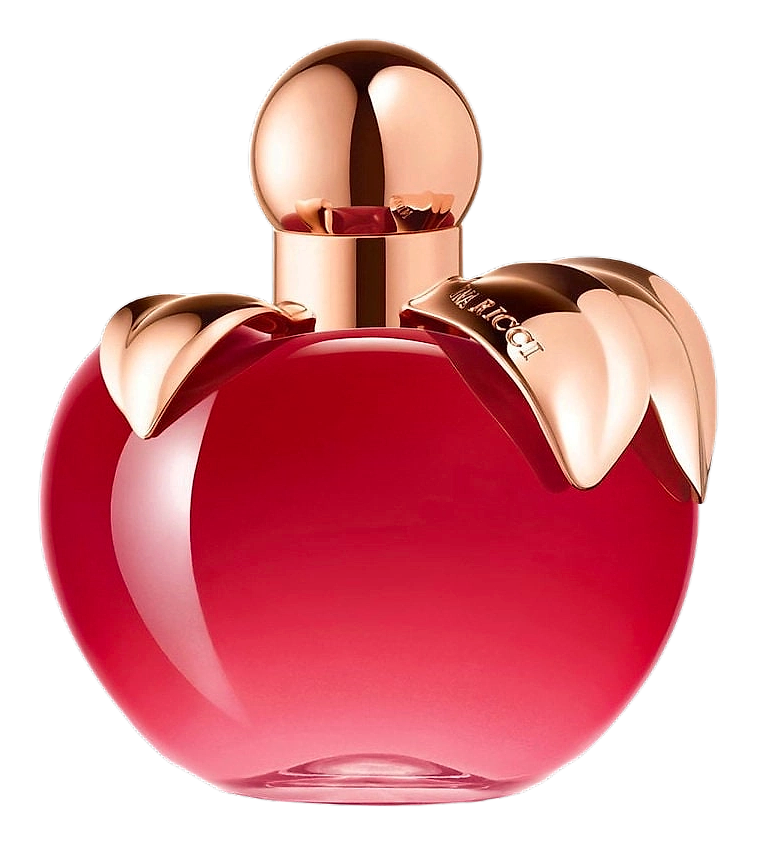
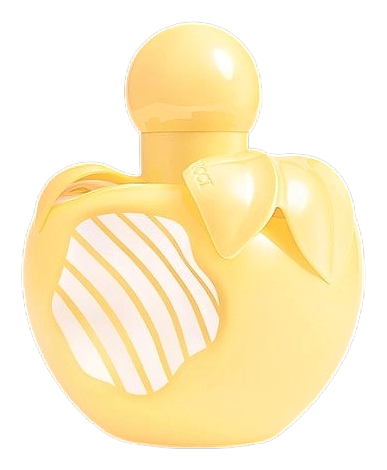
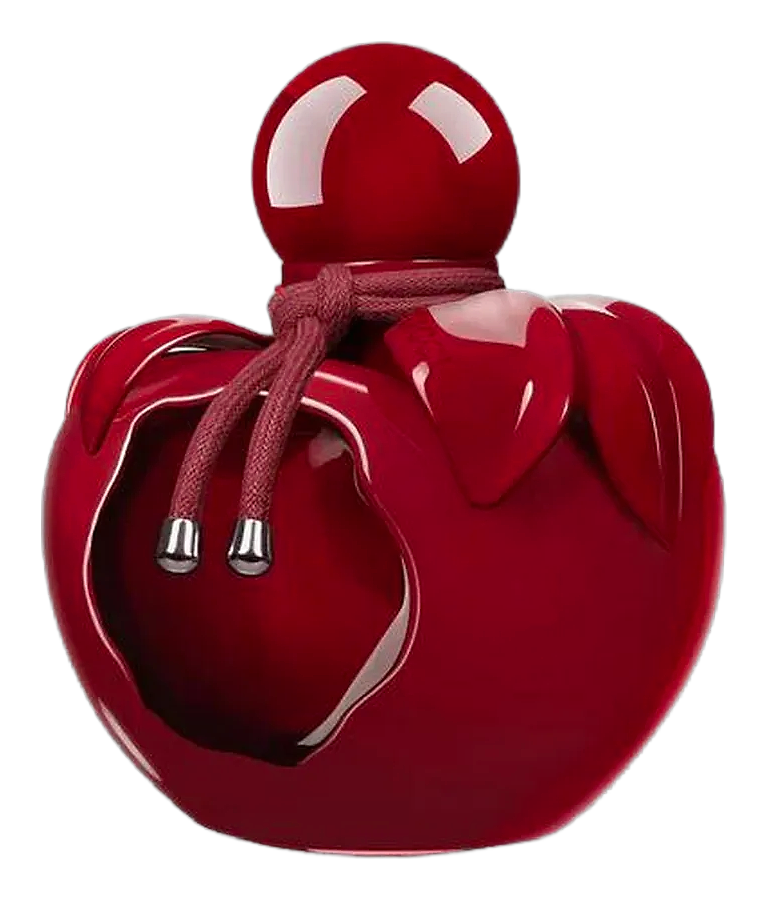
Nina RicciNina Ricci is a Parisian fashion house founded in 1932 by Italian-born designer Maria "Nina" Ricci and her son Robert Ricci. The house began as a couture salon on Rue Haussmann, quickly establishing a reputation for refined, feminine gowns with romantic sensibility. Robert established an in-house perfume division in 1941, though the first fragrance would not arrive until 1946. That inaugural scent, Coeur Joie, marked the beginning of a partnership with Lalique that would define the house's olfactory identity. The house introduced its most celebrated fragrance, L'Air du Temps, in 1948, a scent that remains in production decades later. Puig acquired Nina Ricci in 1998, bringing the house under the same ownership that manages Carolina Herrera and Jean Paul Gaultier. Today, the fragrance collection spans from timeless classics to contemporary offerings like the Nina line, maintaining the house's commitment to feminine elegance.
The Creator
Olivia PutmanThe Putman aesthetic has long been associated with a restrained palette, clean lines, and an appreciation for the beauty found in ordinary objects and materials. Olivia continues this tradition, favoring simplicity, natural textures, and thoughtful proportions.