The Story
Why it exists.
The beginning
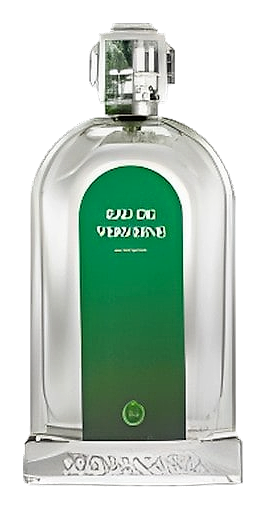
Eau de Verveine is a composition from the Molinard house, a citrus-green fragrance built around the sharp lift of verbena and herbal aromatics. Released in 2005, it sits within a catalog better known for Provençal perfumery than for verbena-forward compositions. The scent pulls its weight through restraint: verbena carries the conceptual load, but the supporting cast keeps the whole thing from collapsing into something merely grassy or kitchen-shrub. Mandarin orange adds a quick, juicy wink at the top, basil contributes an anise-cool green that makes the verbena feel lifted rather than flat, and a quiet touch of cedar at the opening keeps the citrus from feeling like a soda commercial. What makes it land is the balance between brightness and structure. The greens feel aromatic, not raw.
What makes this one interesting isn't the verbena, which any competent perfumer can deliver. It's the architecture around it. The opening leans on a clean quartet of top notes, basil, cedar, verbena, and mandarin orange, spread with enough variety to feel layered without tipping into overload. Basil and the early cedar give the verbena a faintly aromatic, almost cooling cradle, while mandarin orange drops a sweet citrus accent that prevents the greens from feeling austere. It's a confident structure: focused on top, deliberately restrained in the middle, warm and softly resinous underneath.
The evolution
The first spray is where the verbena announces itself, and it announces quickly. Verbena carries that distinctive lemon-peel-and-herb character, green and slightly medicinal in the best sense, with mandarin orange folding in alongside it for a juicy, almost candied sweetness that keeps the herb from feeling austere. Basil arrives early too, adding a cool anise-tinged thread that makes the whole opening feel lifted and slightly aromatic. The cedar note at the top is a clever move: it's listed as a top note, but it acts as a bridge, giving the citrus something dry and structural to rest on rather than letting it evaporate into thin air. As the opening settles, the verbena loses some of its sharp lemon edge and softens into something more leafy and herbaceous. The mandarin fades first, leaving the basil and verbena to do most of the talking, and the cedar steps forward a half-step.
Cultural impact
Eau de Verveine sits in a category often dominated by aggressive freshness and synthetic citrus, and it does something different: it takes the green-citrus structure seriously enough to build a layered composition around it and let the notes interact over time. The fragrance leans into its Provençal roots rather than chasing modern aquatic trends or synthetic fresh accords.