The Story
Why it exists.
The beginning
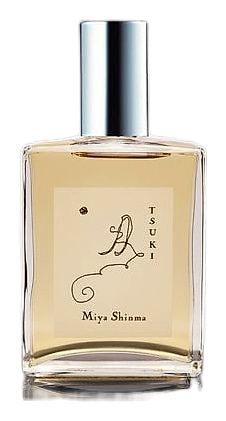
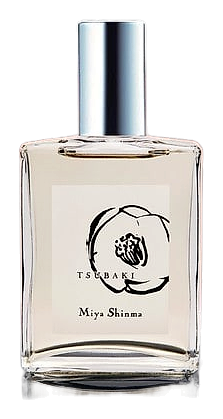
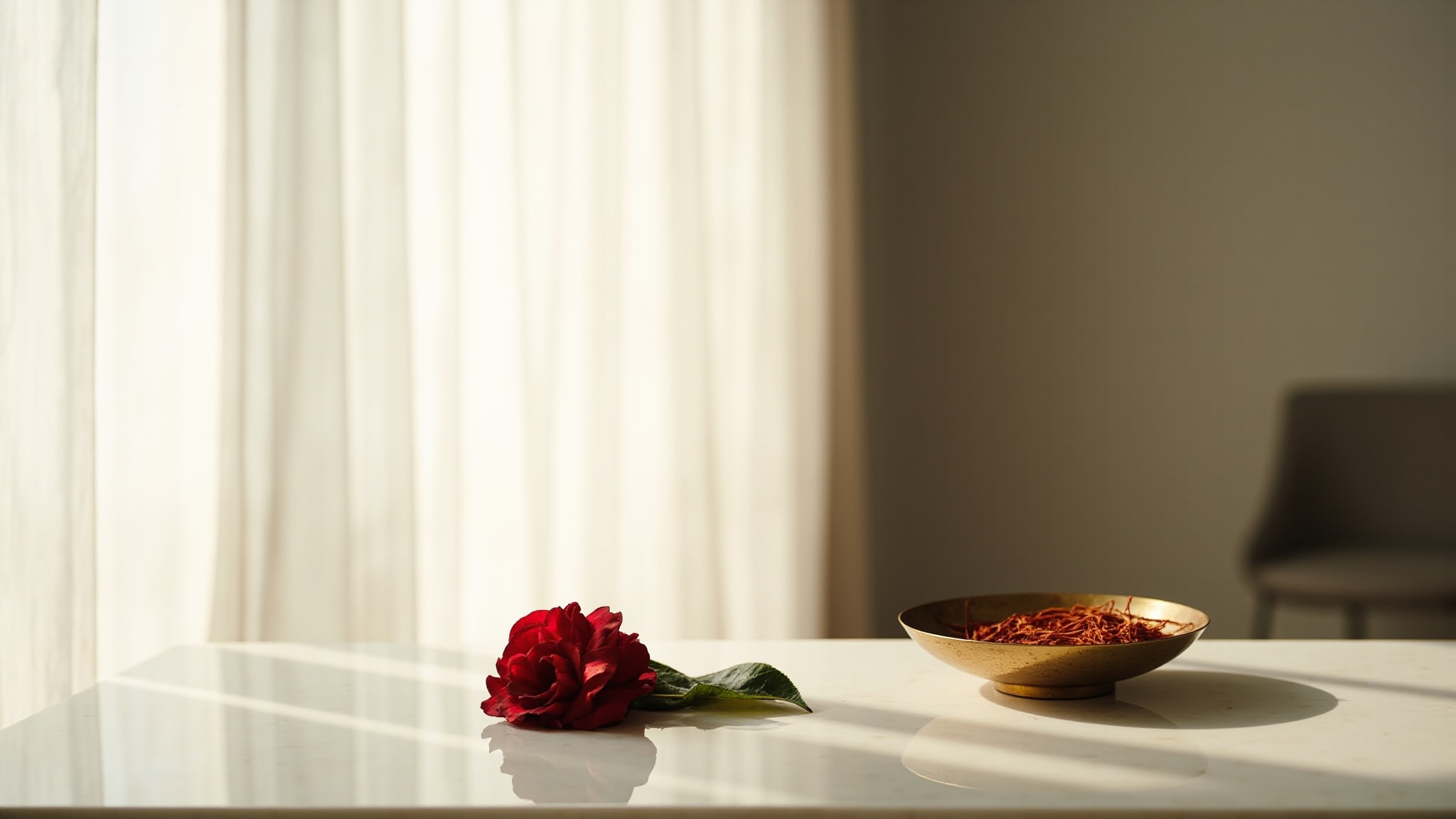
Tsubaki is named for the camellia, a bloom that carries weight in Japanese visual tradition. Glossy leaves, crimson petals, a flower that opens and dies on the same branch. The brief reads simple on paper: camellia, jasmine, patchouli, oud. But the house's quiet, memory-driven approach means even a straightforward note list becomes something worth slowing down for. Miya Shinma Paris treats each composition as a vessel for presence rather than spectacle, working with restraint and an almost meditative sensibility. The camellia note sits at the heart of the composition, its waxy, faintly green character lending a quiet luminosity that doesn't shout.
What makes Tsubaki's structure interesting is how it marries a delicate floral heart to a dense, resinous base. Camellia and jasmine are not robust materials. They whisper where oud and patchouli speak. Placing them together in a chypre framework forces a negotiation between softness and gravity. The saffron at the top adds a metallic brightness, the kind of spice that sharpens without burning. It sets up the floral heart so the petals read against something with edge, rather than floating in sweetness.
The evolution
On skin, the saffron arrives first and moves quickly, a brief flash of dry heat before the camellia and jasmine step forward. The floral phase holds for an extended stretch with a cool, slightly creamy quality, sweet but never syrupy. The jasmine stays restrained, more about texture than narcotic intensity, lending a velvety smoothness rather than an indolic punch. The camellia carries a waxy, almost vegetal freshness that keeps the florals from becoming too lush, lending the heart a translucent quality. Around the midpoint, the base begins to surface. Patchouli arrives earthy and slightly bitter, its darker facets adding dimension without overwhelming. The oud reads more as polished wood than as the heavy, smoky material some compositions lean on, functioning as a darkening agent rather than a showpiece.
Cultural impact
Tsubaki occupies a particular place among floral chypres, offering a reading of the genre that feels both contemporary and quietly reverent toward tradition. Its appeal rests in a certain kind of emotional intelligence, the way it communicates mood rather than making statements. The fragrance speaks to a sensibility drawn to seasonal beauty, to the idea that certain flowers carry meaning beyond their scent alone. The camellia itself carries centuries of symbolism, associated with longevity, devotion, and a particular kind of graceful decline.
The House
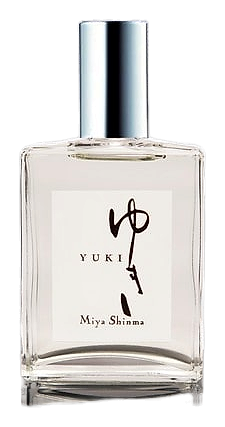
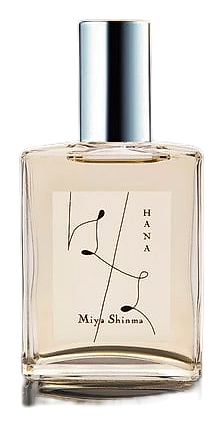
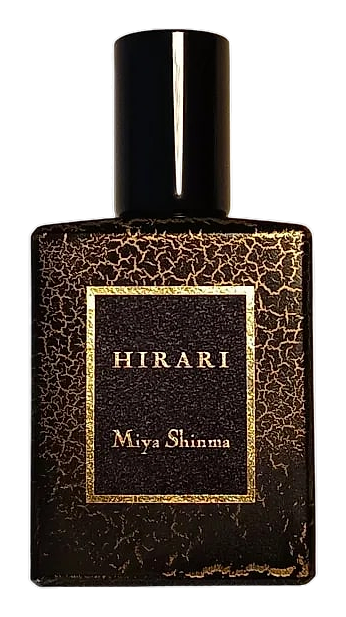
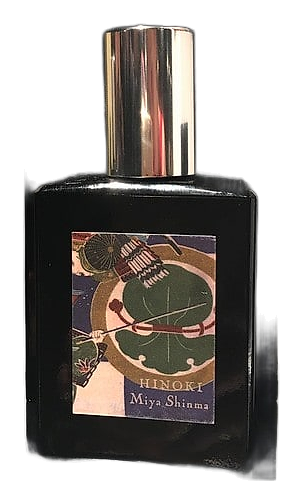
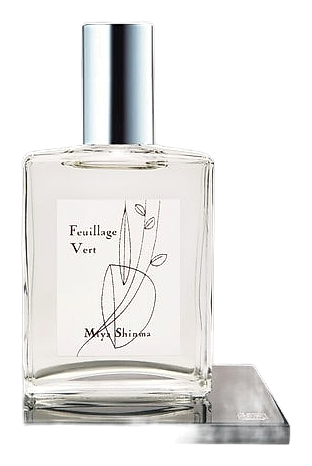
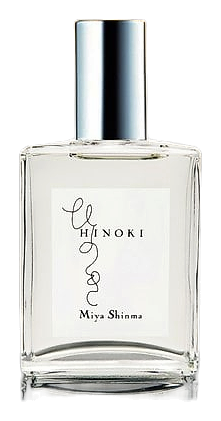
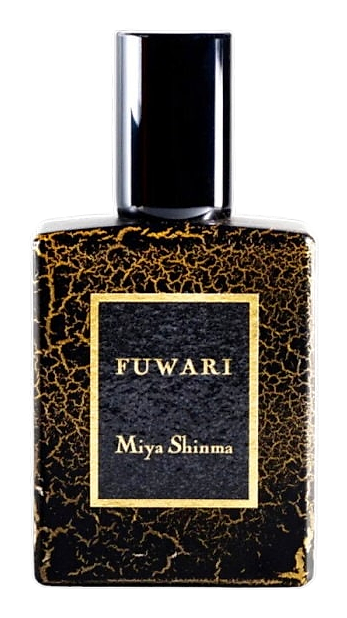
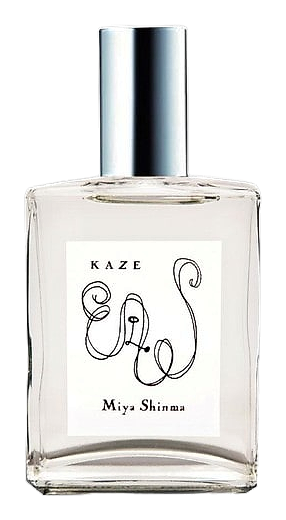
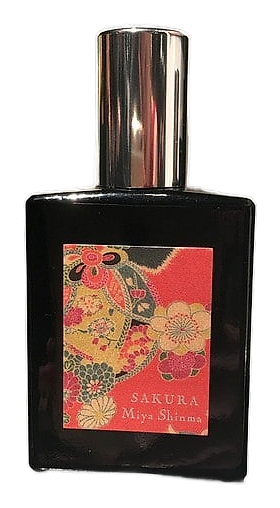
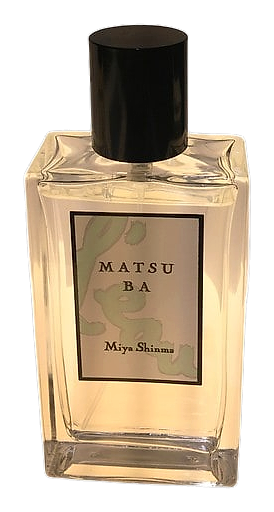
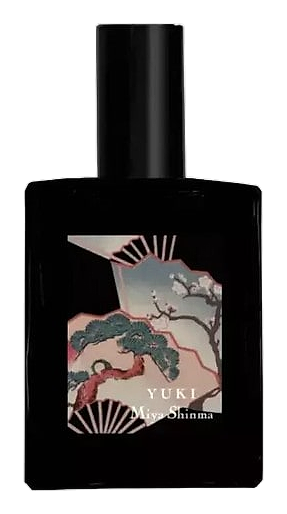
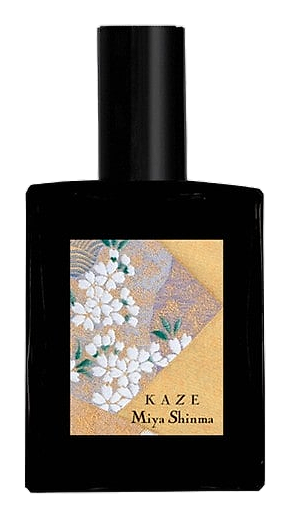
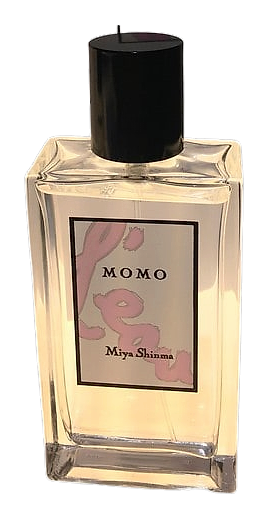
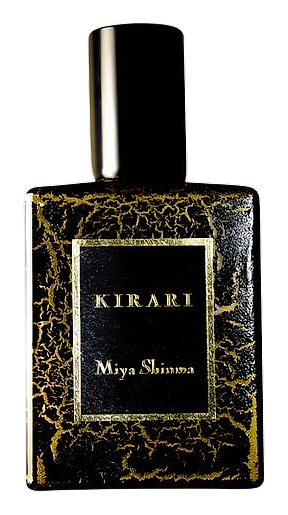
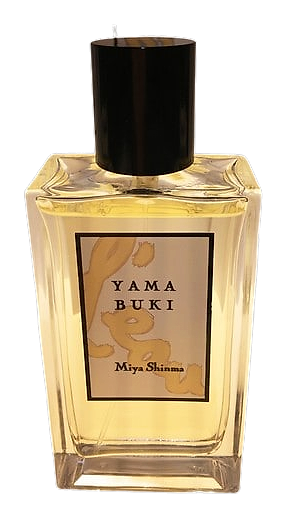
Miya ShinmaMiya Shinma is a niche perfume house rooted in the quiet elegance of Japanese tradition and the artistic pulse of Paris. Founded by Miya Shinma, a Shizuoka‑born creator who relocated to the French capital, the brand translates personal memory and natural landscape into scent. Its line includes seasonal pieces such as Kimono Collection Hinoki (2017) and the spring‑inspired Kirari (2020), each presented in minimalist bottles that echo the brand’s cross‑cultural sensibility.
The Creator
Shinma MiyaMiya favors a minimalist palette, often beginning with a single botanical anchor—such as sakura, cedar, or yuzu—and building around it with complementary accords. She prefers natural extracts over synthetics, valuing the subtle imperfections that give a scent depth.