The Story
Why it exists.
The beginning
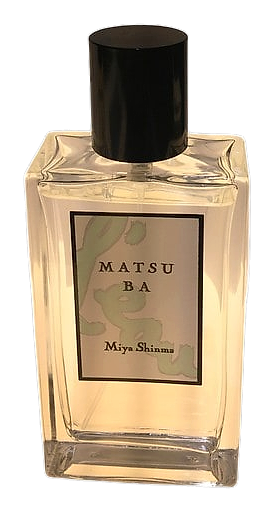
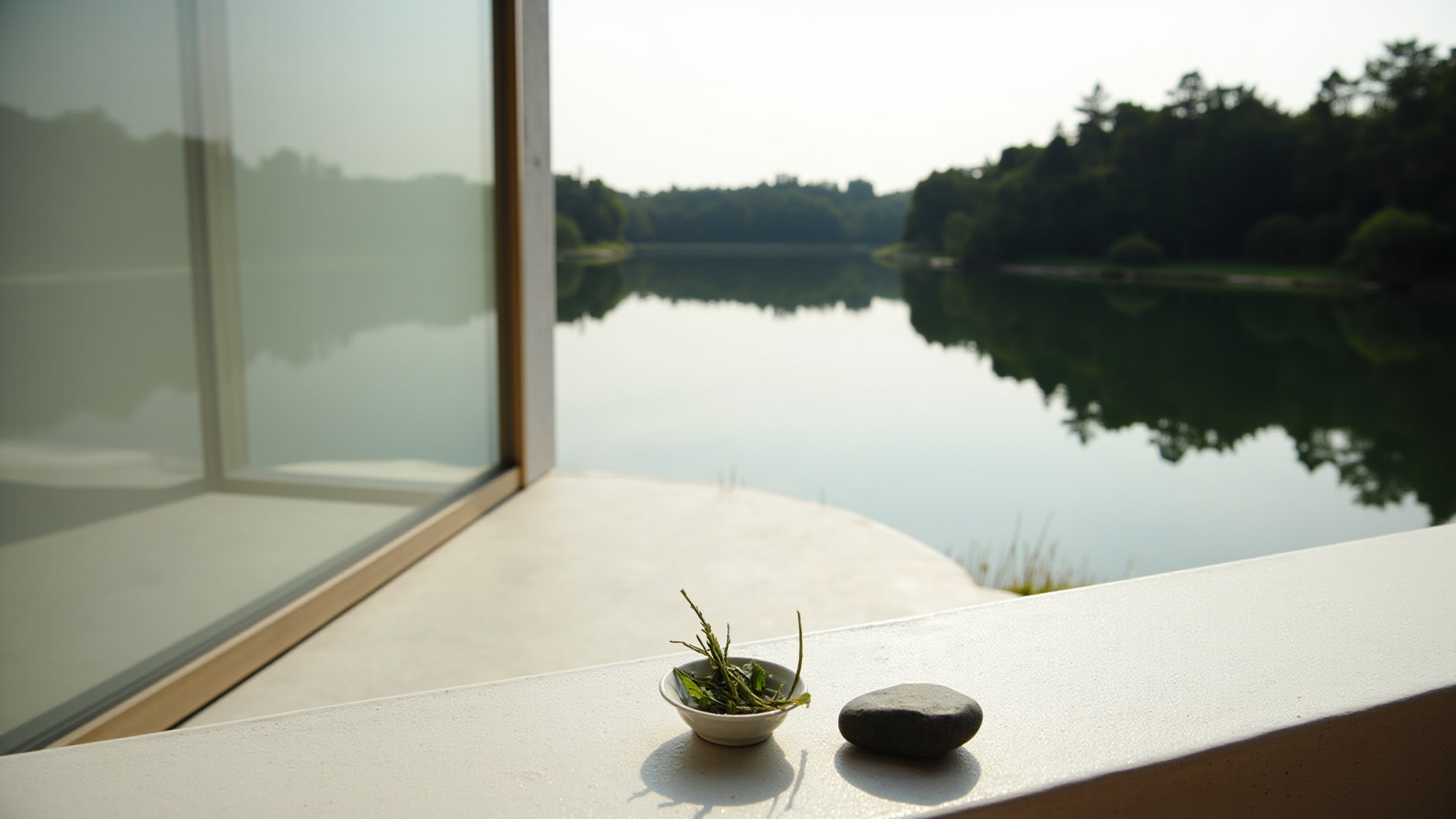
Matsuba takes its name from a traditional Japanese color, the deep pine green that appears in old kimono palettes, the shade of bamboo groves at dusk. Shinma Miya designed this fragrance to translate a specific kind of Japanese stillness into scent: not the cherry blossom softness of the brand's other work, but something more grounded, more mineral. The lakeshore reference in the official copy points to a moment of quietude, water without movement, forest without wind. It's about presence without performance.
What makes Matsuba unusual is its refusal to complicate the green concept. Where many aromatic fragrances pile on the notes, herbs, stems, soil, this one strips it back to three moves: mint for immediate coolness, rhubarb for a tart vegetable bite that grounds the freshness, then white amber as a barely-there warmth that stops it from becoming clinical. The davana adds a subtle fruity-herbal thread that most wearers probably can't identify but definitely feel, something that keeps the composition from feeling like a generic fresh fragrance. It's restraint as a creative choice, not an absence of ideas.
The evolution
The opening is the whole argument: mint, bright and immediate, with an aromatic edge that feels like crushed stems rather than a marketing concept. It lasts solid for the first 90 minutes before the rhubarb starts to soften the sharpness, introducing a tartness that reads almost as cucumber. The transition isn't dramatic, it's a slow negotiation between cool and warm. By hour three, the white amber takes over, and the scent becomes intimate, close to the skin, the kind of thing someone leaning in might catch but a room won't. It doesn't project loudly, and it doesn't need to. The drydown on clothing the next day is faint, a ghost of green, a memory of something clean.
Cultural impact
Matsuba sits in a curious position among contemporary green fragrances, neither the aggressive aquatic freshness of the 2000s mainstream nor the heavy vetiver-and-cedar masculinity that dominated niche in the 2010s. It belongs to a quieter conversation about what green can be when it's not trying to announce itself. Wearers who connect with it tend to describe it as the fragrance for someone who doesn't need their scent to do the talking.