    Brand Profile

    Miya Shinma is a niche perfume house rooted in the quiet elegance of Japanese tradition and the artistic pulse of Paris. Founded by Miya Shi…More

    France·Site

    3.7

    Rating

    Just Landed

    New Arrivals

    The latest additions to the Miya Shinma collection.

    23
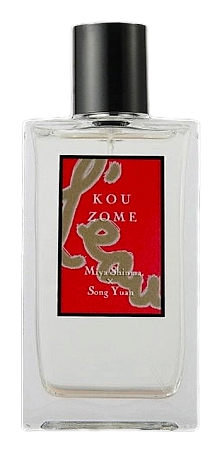
    KOUZOME by Miya Shinma
    3.7

    KOUZOME

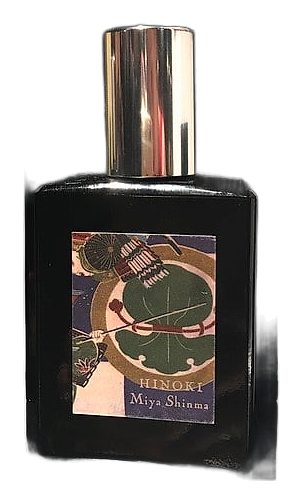
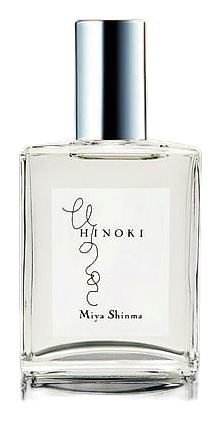
    Kimono Collection Hinoki by Miya Shinma
    Best Seller
    4.4

    Kimono Collection Hinoki

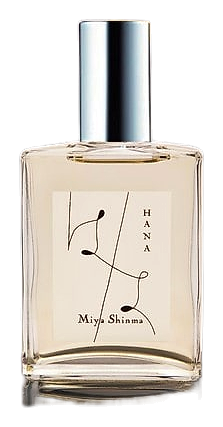
    Hana by Miya Shinma
    Best Seller
    4.3

    Hana

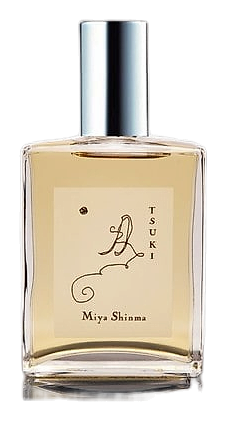
    Tsubaki by Miya Shinma
    Best Seller
    4.2

    Tsubaki

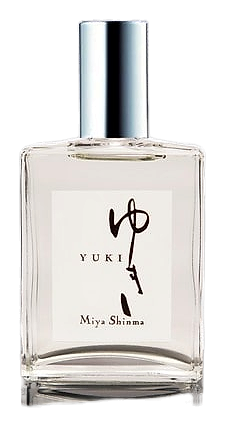
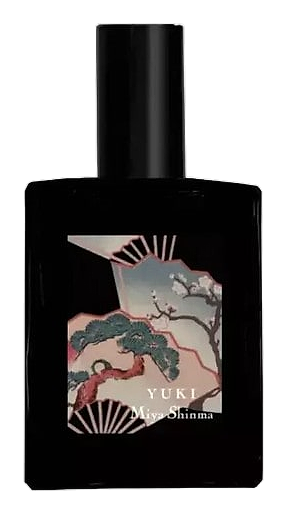
    Yuki by Miya Shinma
    4.2

    Yuki

    Kimono Collection Yuki by Miya Shinma
    4.1

    Kimono Collection Yuki

    Kirari by Miya Shinma
    4.1

    Kirari

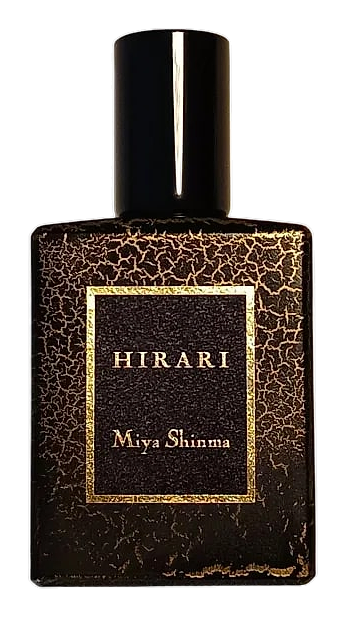
    Hirari by Miya Shinma
    New
    4.0

    Hirari

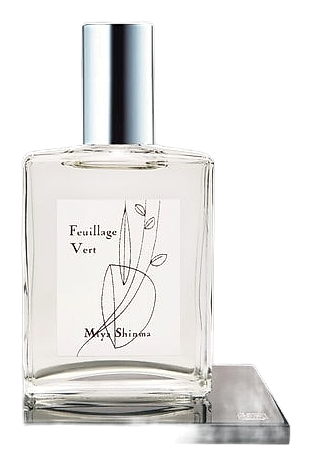
    Feuillage vert by Miya Shinma
    4.0

    Feuillage vert

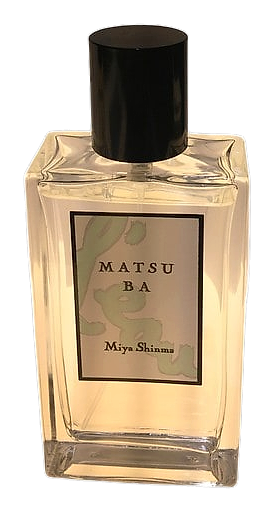
    Matsuba by Miya Shinma
    4.0

    Matsuba

    Mizu by Miya Shinma
    4.0

    Mizu

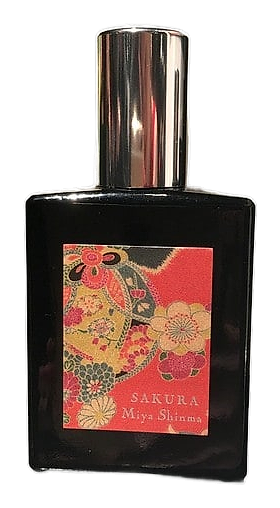
    Kimono Collection Sakura by Miya Shinma
    3.9

    Kimono Collection Sakura

    1 of 2

    The Heritage

    The Story of Miya Shinma

    Miya Shinma is a niche perfume house rooted in the quiet elegance of Japanese tradition and the artistic pulse of Paris. Founded by Miya Shinma, a Shizuoka‑born creator who relocated to the French capital, the brand translates personal memory and natural landscape into scent. Its line includes seasonal pieces such as Kimono Collection Hinoki (2017) and the spring‑inspired Kirari (2020), each presented in minimalist bottles that echo the brand’s cross‑cultural sensibility.

    Heritage

    Miya Shinma began as a personal project of Miya Shinma, an independent perfumer who grew up in Shizuoka, Japan. After moving to Paris in the late 1990s, she launched her own house, with sources citing either 1998 or 1999 as the inaugural year. The brand’s early years were marked by a small‑scale atelier approach, producing limited editions that reflected Japanese seasonal motifs. In 2015 the house released two notable fragrances, Tsubaki and Yuki, both drawing on the delicate scent of camellia blossoms and winter snow, respectively. 2017 saw the introduction of the Kimono Collection, beginning with Hinoki, a cedar‑focused scent that paid homage to traditional Japanese garments, followed by Matsuba, a green tea‑infused composition. The 2020 launch of Kirari added a bright, citrus‑driven fragrance that captured the fleeting sparkle of sunrise. By 2025 the brand expanded its narrative with Hirari, a fragrance that blends airy florals with subtle woody undertones, illustrating an ongoing dialogue between nature and emotion. A notable milestone occurred when Miya Shinma partnered with the Iwata Perfume Museum in Japan, creating the exclusive scent "Fuji Kahori" to celebrate the museum’s heritage. Throughout its evolution, the house has remained independent, avoiding large corporate structures and focusing on artisanal craftsmanship, a stance that has attracted a dedicated community of scent enthusiasts worldwide.

    Craftsmanship

    Production at Miya Shinma follows a small‑batch, atelier model. Formulas are developed in a Parisian studio where Miya Shinma works directly with a handful of skilled perfumers, blending raw materials by hand to maintain tactile control over each stage. The brand sources many of its botanical extracts from Japanese growers who practice traditional cultivation methods, ensuring that ingredients such as hinoki wood, camellia oil, and green tea retain their native character. When possible, the house opts for natural absolutes and essential oils, supplementing with synthetics only when they enhance stability or nuance. Quality control involves a multi‑step verification: each batch is evaluated for olfactory consistency, then aged in temperature‑controlled rooms to allow the scent to mature. The final product is decanted into glass bottles that are hand‑filled, sealed with a simple screw cap, and labeled with minimalist typography. This hands‑on approach limits annual output, preserving exclusivity without resorting to artificial scarcity. The brand also documents each release in a private archive, noting ingredient provenance, batch numbers, and sensory notes, a practice that supports both traceability and future creative reference.

    Design Language

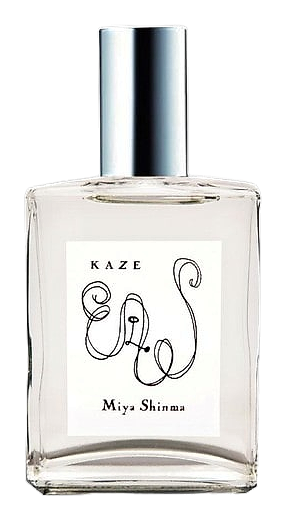
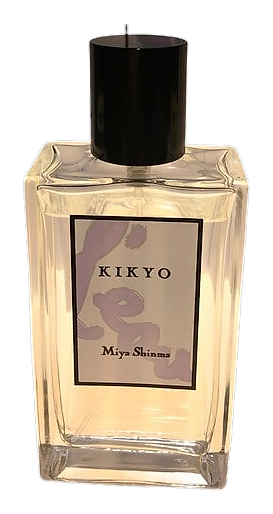
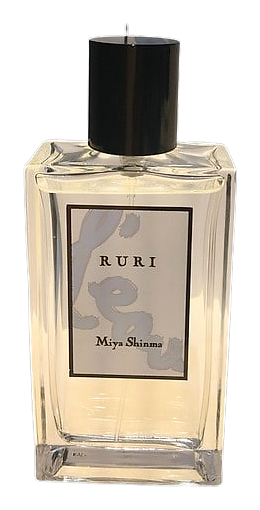
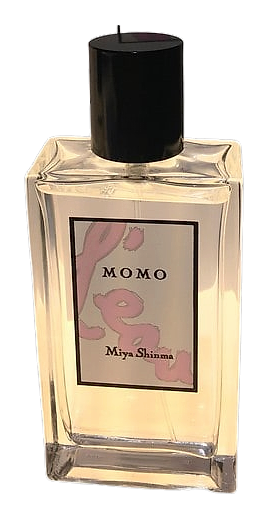
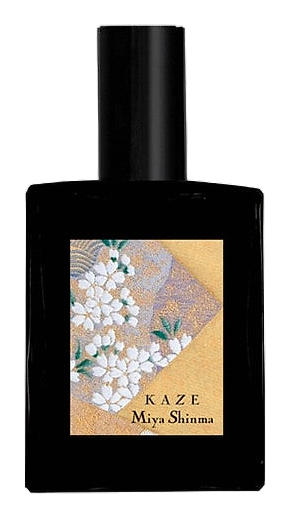
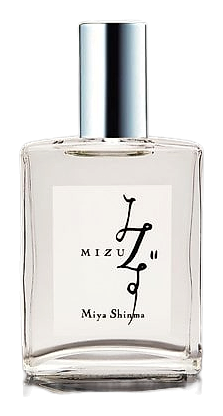
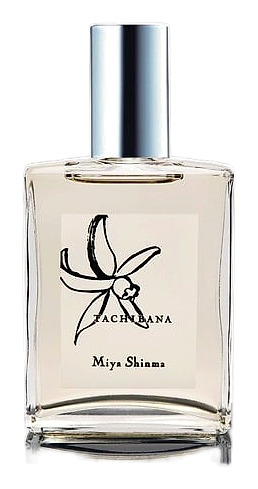
    Visually, Miya Shinma embraces a minimalist aesthetic that mirrors its Japanese roots and Parisian atelier setting. Bottles are clear, slender, and free of ornate decoration, allowing the liquid inside to become the focal point. Labels feature a restrained serif typeface, often accompanied by a single kanji character that hints at the fragrance’s inspiration—such as "桜" for a cherry‑blossom scent. The packaging palette relies on muted tones—soft ivory, pale gray, or deep indigo—evoking the subtle hues of traditional Japanese textiles. Marketing imagery frequently portrays quiet natural scenes: mist‑covered mountains, bamboo groves, or a single tea leaf against a plain background, reinforcing the brand’s emphasis on presence and memory. Store displays, when present, are arranged like a gallery, with each fragrance presented on a simple wooden plinth, inviting visitors to explore the scents as works of art rather than commercial products. This visual restraint underscores the house’s belief that elegance lies in clarity and that the fragrance itself should command attention.

    Philosophy

    The creative vision at Miya Shinma rests on the belief that perfume is a vessel for presence, a concept articulated on the brand’s own platform. The founder emphasizes a dialogue between art and nature, allowing each ingredient to speak for itself rather than being forced into a preconceived theme. This philosophy translates into a practice of listening to memory: childhood scenes, seasonal changes, and the subtle textures of everyday life become the raw material for each composition. The brand values transparency in sourcing, preferring ingredients that are sustainably harvested and that retain a clear link to their origin. Rather than chasing trends, Miya Shinma seeks to capture moments that feel both intimate and universal, inviting wearers to experience a scent as a personal narrative rather than a marketable label. The house also embraces a modest aesthetic, allowing the fragrance itself to dominate the experience while the packaging remains understated, reinforcing the idea that true luxury lies in quiet confidence and authenticity.

    Key Milestones

    1998

    Miya Shinma establishes her independent perfume house in Paris, beginning a cross‑cultural dialogue between Japanese tradition and French artistry.

    2015

    Release of Tsubaki and Yuki, two fragrances that explore camellia blossom and winter snow motifs, marking the brand’s first major seasonal collection.

    2017

    Launch of the Kimono Collection, starting with Hinoki, followed by Matsuba, introducing a line inspired by traditional Japanese garments and green tea.

    2020

    Kirari debuts, a bright citrus composition that captures the fleeting sparkle of sunrise, expanding the house’s exploration of light and movement.

    2025

    Hirari is introduced, blending airy florals with subtle woody notes, and the brand partners with the Iwata Perfume Museum to create the exclusive fragrance "Fuji Kahori".

    At a Glance

    Brand profile snapshot

    Origin

    France

    Collection

    1

    Fragrances released

    Avg Rating

    3.7

    Community sentiment

    Release Rhythm

    2025
    2
    2020
    1
    2019
    1
    2017
    7
    2015
    6
    miyashinma.com

    Did You Know?

    Interesting Facts

    Distinctive details and defining moments that shape the house personality.

    01

    Miya Shinma, the founder, was born in Shizuoka, Japan, a region known for its tea plantations, which influences several of her green‑tea scented creations.

    02

    The brand’s collaboration with the Iwata Perfume Museum resulted in "Fuji Kahori," a scent that incorporates rare mountain herbs harvested from the Fuji region.

    03

    Each fragrance is produced in limited batches, often fewer than 500 bottles per release, to preserve artisanal quality and ensure ingredient traceability.

    04

    Miya Shinma’s bottle designs intentionally omit decorative caps; the simple screw cap reflects the house’s philosophy of unobtrusive elegance.

    The Artisans

    The Perfumers