
The Story
Why it exists.
The beginning
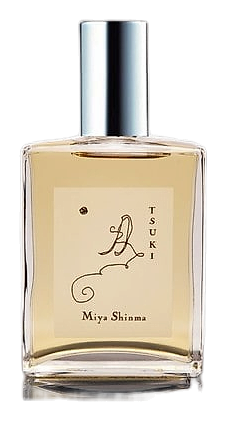
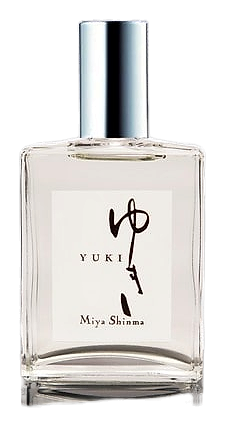
Yuki, the Japanese word for snow, arrived in 2015 as one of two seasonal releases from Miya Shinma that year, the other being Tsubaki (camellia). Where Tsubaki drew from the delicacy of blossoms, Yuki turned toward something colder and more austere: the particular silence that falls when snow covers everything and the world goes quiet. The perfumer, Shinma Miya, had moved from Shizuoka to Paris in the late 1990s and built her house on the belief that perfume should speak softly, presence without insistence. Yuki embodies that conviction. It's named for snow, but not the dramatic snow of storms. The quiet accumulation. The hush after.
What makes Yuki's structure interesting is the pairing of Japanese and French lavender, two different traditions of the same herb, each bringing different character to the blend. French lavender tends toward the herbaceous and camphorated; Japanese lavender leans softer, greener, less assertive. Together they create a lavender that opens bright but never sharp. The heart introduces hinoki cypress, a Japanese wood with an unusual quality: it smells like cypress but carries a lemon undertone, giving the woody heart a brightness that prevents the composition from becoming heavy. Cedarwood reinforces the woody framework.
The evolution
The opening announces itself quickly, Japanese lavender arrives within seconds, carrying that particular green-herbaceous quality that distinguishes it from more medicinal lavender oils. It doesn't shout. It fills. The heart develops over the next two to three hours as the lavender softens and the woody notes take over. Hinoki cypress is the persistent one here, it tends to outlast the lavender and stick around into the base, which is a good sign of quality material. The cedarwood provides structure but fades first. The jasmine, always the quietest player, appears briefly in the transition and then retreats. The drydown is where Yuki earns its name. Vanilla and musk create something soft, warm, and close to the skin. Oakmoss keeps it grounded, earthy, real. Eight to ten hours on most skin types. On fabric, a scarf, a collar, it lingers for days, the way snow lingers on a north-facing roof long after the south side has thawed.
Cultural impact
Yuki occupies a specific corner of the niche world, the intersection of Japanese restraint and French craftsmanship. It's the kind of fragrance that appeals to someone who's tired of being announced at, who finds luxury in subtlety. The house itself has remained small and atelier-driven, never pursuing mass distribution. That exclusivity-by-approach rather than by-price keeps Yuki from becoming a statement piece. It's not a fragrance you wear to be noticed. It's one you wear and hope someone close enough notices.