
The Story
Why it exists.
The beginning
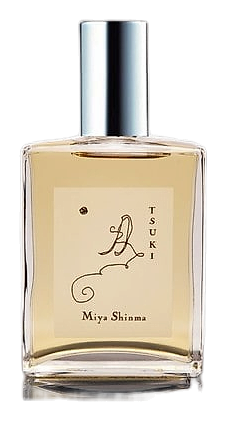
Tsuki means moon. But this isn't the harvest moon, fat and golden over a festival. It's the blue hour moon, the one that keeps you awake past your bedtime, phone dark, watching the light shift across the ceiling. Miya Shinma has always understood that perfume is a diary entry more than a statement. She grew up in Shizuoka, moved to Paris in the late nineties, and built a house around the idea that scent carries memory better than photographs. Tsuki is her translation of longing itself, not the joy of arrival, but the specific tenderness of waiting for someone who might not come.
Bamboo in perfumery is a tricky material. On paper it reads green, fresh, almost aquatic. In a composition it can feel ephemeral, like mist. What Miya Shinma does here is anchor that ephemerality with heliotrope, a material that smells like almond blossoms crossed with vanilla, powdery in a way that evokes the inside of a pearl shell, or the soft light that pools in a room at 3am. The combination of bamboo's cool green note and heliotrope's lunar quality creates something that feels genuinely atmospheric. Rose absolute and jasmine hold the middle ground, floral, but not lush. Not juicy. More like pressed flowers in a book you've kept for years.
The evolution
For the first twenty minutes, Tsuki is electric in its clarity. Raspberry arrives tart and bright, cutting through the green bamboo stillness like a signal flare. There's something almost citrus-like in the raspberry's brightness, a wake-up call. Then the floral heart emerges. Rose absolute blooms slowly, not dropping petals but unfurling, and jasmine threads alongside it, creamy and nocturnal. By the second hour, the raspberry has softened. The composition settles. Heliotrope takes its place as the main character, powdery, intimate, close to the skin. This is when the fragrance becomes truly itself. The drydown is heliotrope and sandalwood, with musk holding everything together, warm and human. Lasts six to eight hours depending on skin. By morning, there's a ghost of powdery warmth left on fabric, the scent of sheets that have been slept in, of someone who stayed past midnight.
Cultural impact
Tsuki occupies a specific corner of the niche world, Japanese-influenced, powdery-forward, quietly elegant. It sits alongside fragrances like Dries Van Noten's eponymous fruity-floral and Le Labo Santal 33 in its appeal to those who want scent to be a private language rather than a public announcement. The heliotrope-powdery thread runs through much of contemporary niche, but Tsuki distinguishes itself through the bamboo note and the specificity of its emotional register. It's the fragrance you reach for when you want to smell beautiful and don't need anyone else to notice.