The Story
Why it exists.
The beginning
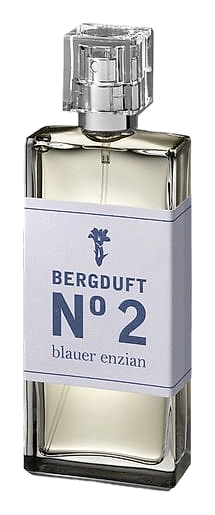
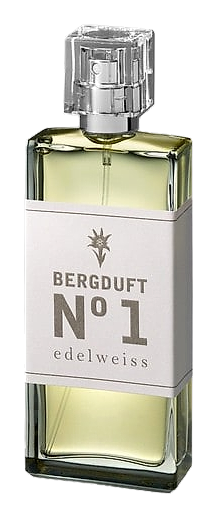
Brigitte Witschi made edelweiss her first subject. Not as a symbol of Swiss kitsch, but as the thing itself. The result is a fragrance that opens with bright, crisp citrus notes that feel almost crystalline in their clarity. As it settles on the skin, the scent reveals a quieter, more tenacious character that doesn't announce itself but gradually becomes apparent. There's a subtle powdery quality that emerges in the heart, balanced by soft warm undertones that keep the composition from feeling cold or distant. Released as part of the Bergduft collection, it remains in production, rare for a debut.
The structure is unusual for a floral. Instead of building toward a crescendo of petals, the fragrance lets its powdery notes carry the weight. Iris root is naturally powdery, not because of added accord, but because that's simply what iris smells like at its core. Paired with vanilla, the combination creates something that reads as warmth without being heavy. The cedar and sandalwood underneath keep it from floating away entirely. Jasmine provides the bridge: aromatic enough to connect citrus to powder, but restrained enough not to dominate. This is composition thinking, each layer serving the next.
The evolution
The opening is bright and clean, a crisp bergamot and Amalfi lemon accord that feels refreshing and immediate. Then jasmine arrives and the lemon recedes, creating a shift that feels like something moving across a landscape. The heart brings iris and vanilla together, adding a soft powdery quality that balances the composition. What surprises is the cedar. It doesn't announce itself; it slowly becomes apparent as the dominant middle note, introducing a dry woodiness that keeps the fragrance from going flat. The drydown settles into tonka, musk, and a whisper of sandalwood. It's close and skin-warm, the kind that someone standing beside you might notice before you do.
Cultural impact
The edelweiss carries deep cultural meaning in Alpine regions, associated with love spells and tokens of affection. By centering this fragrance on the flower, Art of Scent created a scent that draws on regional symbolism while appealing to those seeking authentic narratives in their fragrances. The composition itself reflects this approach: bright and crisp at the opening, developing into something quieter and more persistent that lingers close to the skin. It's a fragrance that works without relying on grand claims about market significance, instead letting the scent and its story speak for themselves.