
The Story
Why it exists.
The beginning
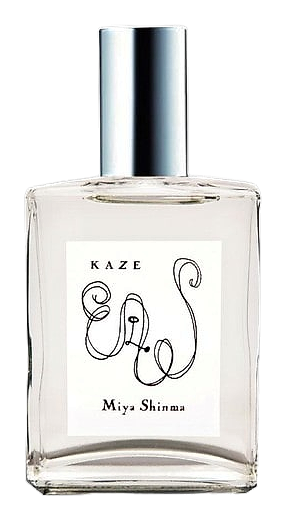
Kaze, the Japanese word for wind, is the starting point and the whole idea. The fragrance draws from the concept of wind bringing the scents of the sea, that quality of something arriving unexpectedly, carried on air. It is inspired by the suppleness of wind accompanying a steadfast longing, an idea that moves through the composition, present but never demanding. The house translates this into scent by letting each element arrive naturally, a quality of openness and movement that defines the fragrance throughout its wear.
What makes Kaze interesting is the way it holds two things at once: the initial burst of citrus is bright and direct, but it clears quickly, leaving something more considered. The heart, freesia and lily of the valley, doesn't announce itself. It settles. By the time the base notes arrive, cedar and hinoki, the fragrance has shifted from a statement to a presence. It's the difference between someone who walks into a room and says something, and someone who walks into a room and the room changes because they're in it.
The evolution
Grapefruit hits first, tart, immediate, like cold air through an open window. No preamble. Within minutes the bergamot adds a softer citrus layer, and the fragrance begins to open. The heart arrives quietly: freesia, then lily of the valley. Neither shouts. Together they create something clean and a little melancholy, like the smell of air before rain. The drydown brings cedar, warm and slightly resinous, then hinoki joins, that distinctive Japanese cypress, slightly camphoraceous, grounded by white musk that keeps everything close to the skin. On fabric especially, there's still something there: clean cedar, a ghost of floral, the memory of the opening.
Cultural impact
Kaze sits in a particular corner of niche perfumery. It doesn't compete with the wearer. It doesn't demand attention. What it offers instead is something harder to find: a fragrance that feels like it belongs to a specific moment, a specific quality of light. The hinoki base sets it apart from other citrus-floral compositions, a material that gives Kaze an unusual depth for something that opens so brightly.