The Story
Why it exists.
The beginning
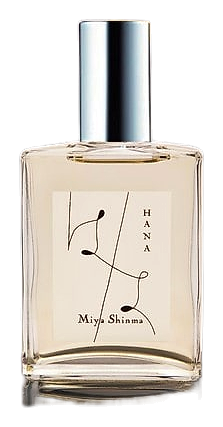
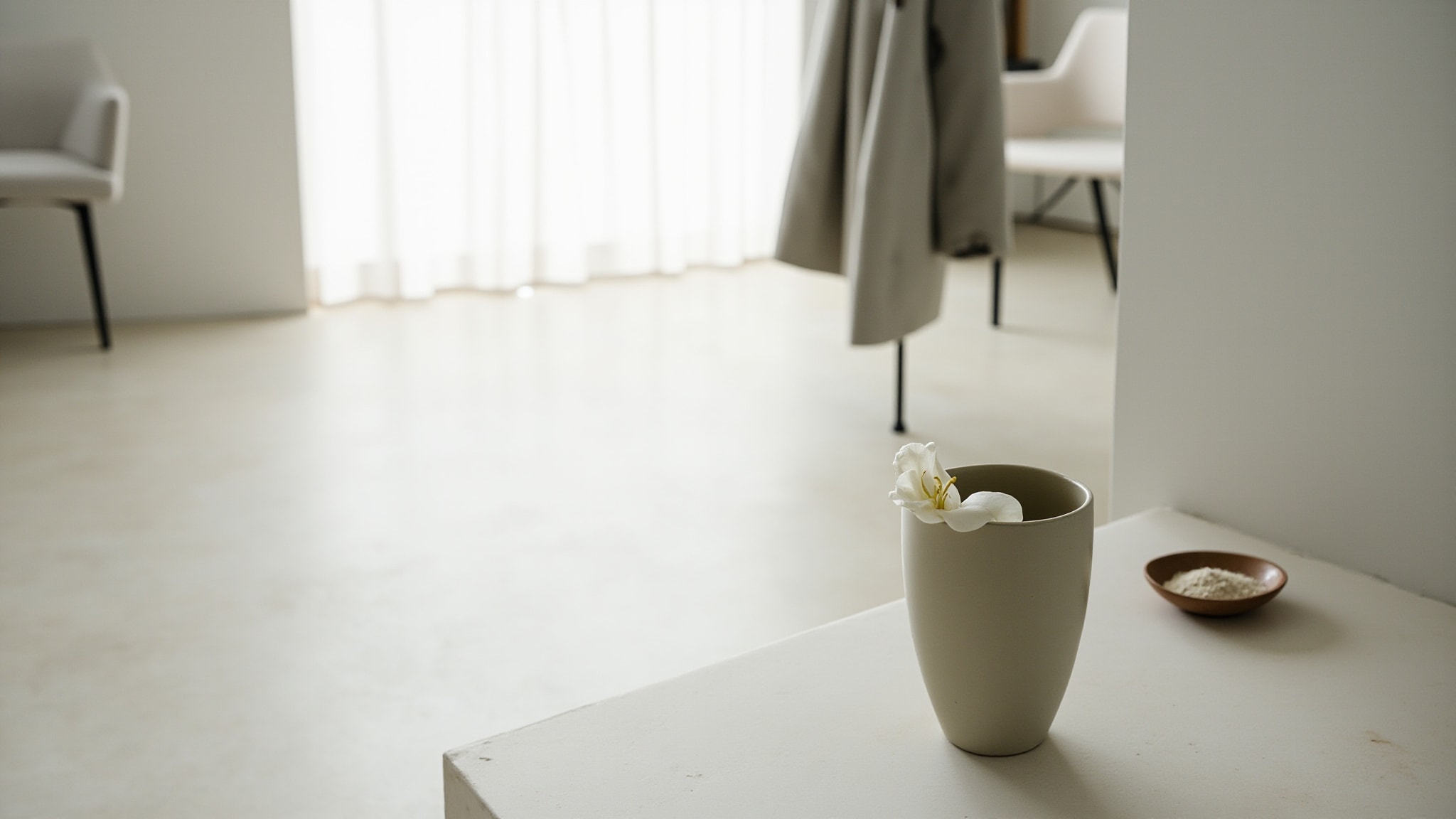
Hana means flower. That's the entire concept, stated plainly. In Japanese, the simplest word often carries the most weight, and Miya Shinma, who left Shizuoka for Paris in the late 1990s, built this fragrance around that directness. The official copy describes it as inspired by the gentle seduction of a passing flower. Not the grand gesture of a bloom in full display, but the brief, arresting moment when a single flower catches your attention and is gone before you can name it. That's the emotional core: transience, not spectacle. The perfumer worked with rose absolute, jasmine, and ylang-ylang as the primary floral language, a triad that reads as both familiar and slightly abstracted, like a memory of flowers rather than flowers themselves.
What makes Hana structurally unusual is the layering of rose absolute in both the top and heart positions, it doesn't fully reveal itself in the opening so much as it persists, arriving early and deepening as the composition unfolds. The ylang-ylang adds an oily, slightly tropical warmth that prevents the florals from reading as purely delicate. Below that, hinoki cypress introduces a dry, slightly camphoraceous Japanese wood character that grounds the entire structure in something specific and geographical. Heliotrope and iris work together to create the signature powdery quality that defines the base, not baby-powder sweet, but the dusty, almost mineral softness of dried petals and orris root.
The evolution
The opening is immediate, jasmine and rose absolute hit together with an airy quality, almost translucent. There's no harsh alcohol stage; it arrives soft. Within the first fifteen minutes, the ylang-ylang emerges, adding body and a faint tropical richness that rounds out the initial brightness. The heart phase is where Hana becomes distinctly itself: the rose deepens and takes on a more jam-like, absolute quality rather than the fresh-cut quality of the opening. The powdery notes begin their slow rise from the base, first noticeable as a subtle softness around the thirty-minute mark. By the second hour, the iris and heliotrope have taken over the foreground, creamy, violet-adjacent, slightly sweet. The hinoki and patchouli form a quiet, dry foundation that prevents the composition from becoming purely atmospheric. The drydown is intimate by design: a soft, powdery warmth that clings close, detectable mainly to the wearer. On fabric, the florals fade first; the powder and light wood remain for hours longer.
Cultural impact
Hana arrives at a cultural intersection of Japanese and French perfume traditions. Miya Shinma, born in Shizuoka and trained in Paris, brought a distinctly Japanese sensibility of restraint and negative space to the capital of luxury fragrance. The name itself (flower in Japanese) signals an intentional simplification of the Western tendency toward opulent sillage. In the late 1990s, as niche perfumery began gaining traction, Hana represented a counterpoint to the maximalist olfactory statements of the era. The fragrance refuses to announce itself, embodying principles found in Japanese aesthetic philosophy where subtlety and presence coexist.