
The Story
Why it exists.
The beginning
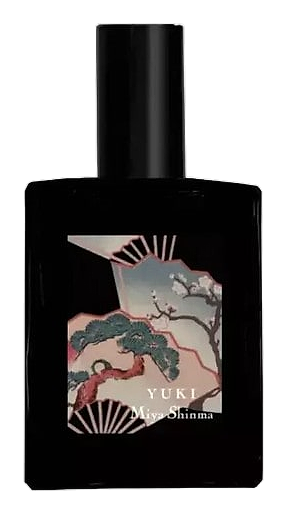
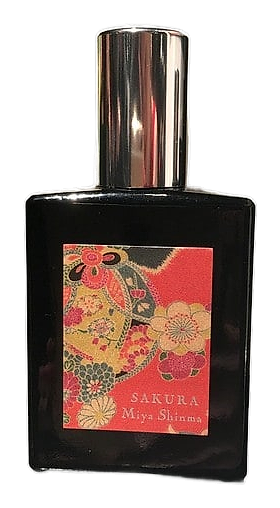
Sakura is the Japanese word for cherry blossom, a flower that arrives for two weeks and is gone. Miya Shinma designed this fragrance around that brevity. Not the full bloom, but the first unfurling. The Kimono Collection explores the sensory world of traditional Japanese garments, each scent a chapter in that story. Sakura is the floral one, the spring entry. It is about presence rather than spectacle, about the moment rather than the monument.
What makes this composition interesting is its refusal to announce itself. The rose-citrus opening reads clean and immediate, not sharp, just bright. The blackcurrant in the heart adds a tartness that keeps the florals from becoming predictable, almost like a green bite before the sweetness settles. Then the base: vanilla, but not the loud kind. A whisper. Enough warmth to remember, not enough to dominate. The pyramid is short by design, restraint is the point.
The evolution
The first fifteen minutes are citrus-bright. A flash of something quick and then the rose steps forward, slower. The blackcurrant appears around the half-hour mark, a tartness that shifts the florals into something more textured. Peony softens everything that comes after. By hour two, the vanilla begins its slow arrival, not a dramatic reveal but a gradual settling. On skin, this lasts a full workday. On fabric, it becomes a quiet ghost, the kind of scent someone leans in to ask about.
Cultural impact
Kimono Sakura belongs to Miya Shinma's Kimono Collection, a series of fragrances each designed to capture the essence of traditional Japanese garments. The word 'kimono' literally means 'thing to wear,' and these scents function as invisible accessories. Miya Shinma launched this collection in 2017 after years of studying perfumery in Paris, bringing Japanese olfactory sensibilities to a Western audience. The collection includes three scents: Sakura, Hinoki, and Matsuba, each inspired by natural Japanese elements. Sakura represents the cherry blossom, a flower deeply embedded in Japanese culture as a symbol of renewal and the fleeting nature of beauty.