The Story
Why it exists.
The beginning
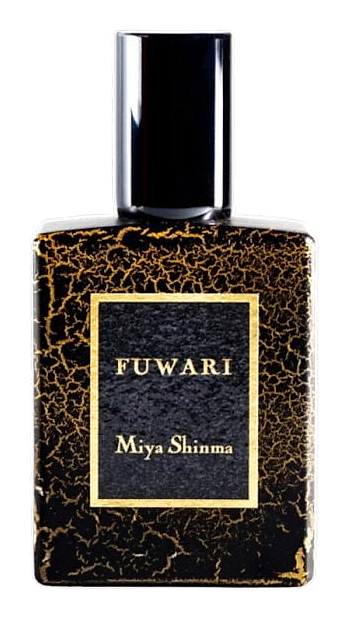
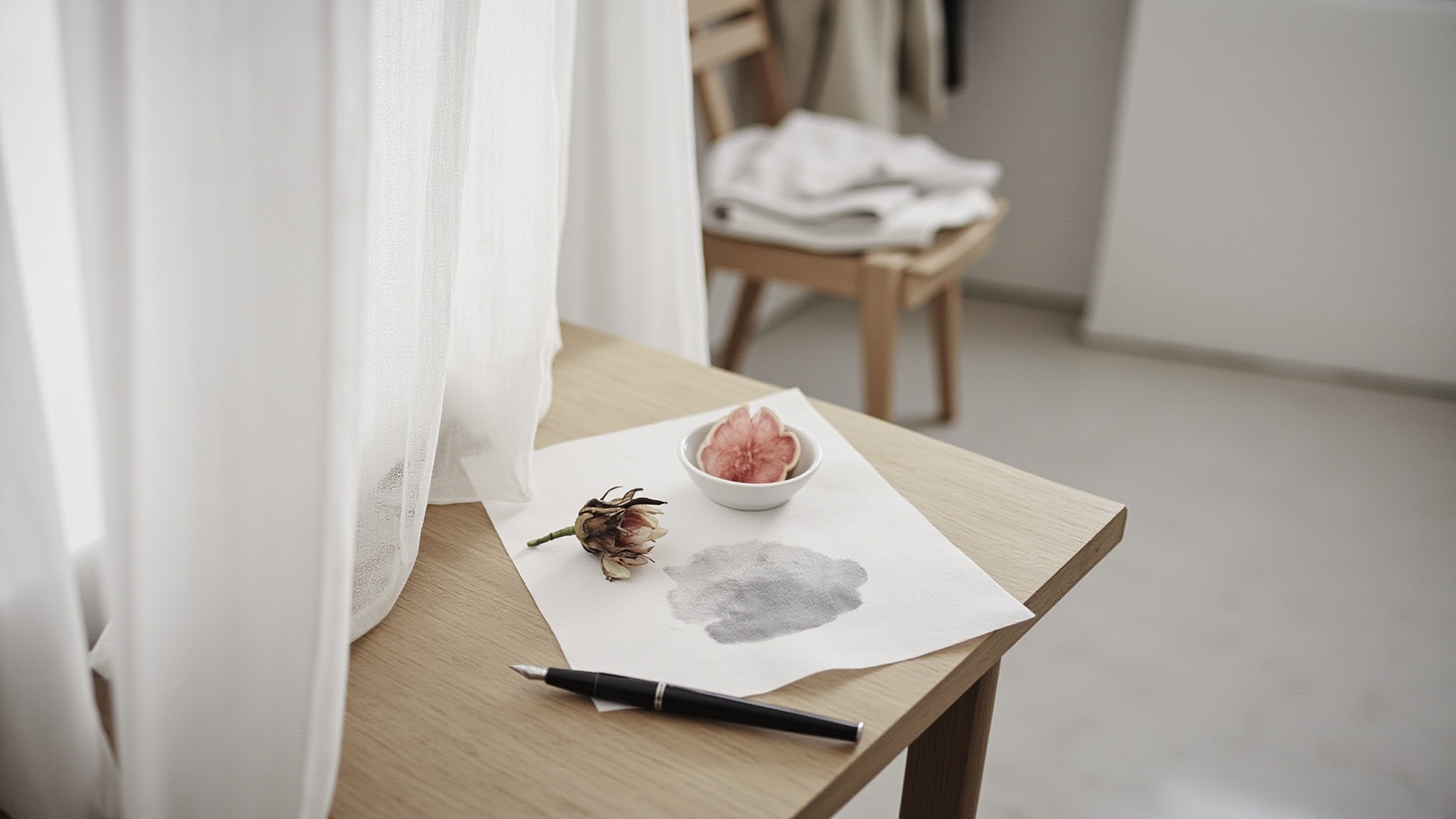
Fuwari means 'fluffy' in Japanese. The name sets the brief before the first note is even reached. Miya Shinma released Fuwari as part of Collection L'Or. The concept: a rose drawn in ink. Not the flower itself, but the gesture of marking one. A single brushstroke on washi paper, the rose half-there, half-absent into the page. The composition takes that gesture and makes it wearable. The rose sits at the center, but rendered in restraint rather than abundance. There's a deliberate softness to the way the notes are arranged, a willingness to leave gaps, to let the air between the petals matter as much as the petals themselves. You smell the rose, yes, but you also smell what surrounds it, the cool mineral hush that keeps the bloom from ever feeling overwrought.
The unusual choice is Chinese ink. It's listed as a base note, which means it doesn't smell like a calligraphy studio. It smells like the negative space around one. The drydown carries a mineral, slightly cool undertone that keeps the rose from tipping into sweetness. Heliotrope adds its almond-tinged softness, and red fruits in the heart prevent the composition from reading as purely austere. What makes this structure interesting is what's absent. No oud. No heavy patchouli. No vanilla cushion. Fuwari builds its presence from air and musk rather than weight.
The evolution
Fuwari opens with a pale wash of pink grapefruit, reading almost like breath on cool morning air. Within minutes, the May rose absolute emerges, dry and honeyed, layered with red fruits that lend the heart a subtle, almost jam-like warmth. As hours pass, the composition settles into a quiet base of Chinese ink, heliotrope, amber, and musk, leaving an imprint that is more memory than statement. The transition from opening to drydown is gradual, almost geological. The grapefruit's citrus brightness doesn't vanish so much as it recedes, allowing the rose to step forward and claim the space. At its peak, the rose carries a dry, almost tea-like quality, lifted by the fruit but never overwhelmed by it. The heliotrope weaves through with its almond sweetness, binding the floral heart to the darker base below. By the late hours, the ink and musk dominate.
Cultural impact
Fuwari offers something rare in a rose fragrance: a refusal to compete on projection or sweetness. It reads as a whisper, not a declaration, and that choice makes it stand apart from the bolder floral statements crowding the current landscape. The appeal lies in what it doesn't do. There's no oud anchor, no vanilla cushion, no heavy base designed to make the scent project across a room. Instead, Fuwari builds its presence from air, musk, and the mineral coolness of ink. It asks to be discovered, not announced. Wearers find themselves checking their wrist hours later, surprised by what's still there. This is perfumery that trusts its audience.