
The Story
Why it exists.
The beginning
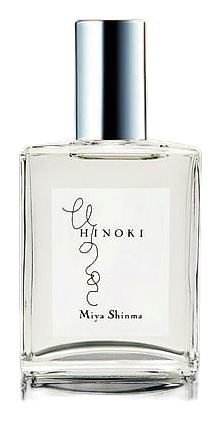
Hinoki, Japanese cypress, is the tree temples were built from. Its wood carries a stillness that Japanese bathing culture has cherished for centuries, a gentle, meditative presence rather than a bold statement. Miya Shinma composed Hinoki around this single material: not to recreate the tree, but to translate its quiet essence into something wearable. The fragrance arrived as a study in restraint, a counterargument to the idea that complexity is depth. What you smell is exactly what the name promises: clean wood, a moment of calm, nothing more. The opening offers soft citrus brightness that gently orients before yielding to the wood. Hinoki asserts itself as a smooth, warm presence rather than sharp or astringent.
The architecture here is deliberately spare. One citrus note. One wood. Two bases. No embellishment. What makes this composition interesting isn't what it contains, it's what's been left out. Hinoki doesn't chase the grand gestures of mainstream woody fragrances. Instead, it commits fully to a single mood: the clean, clear, meditative stillness of freshly planed wood. The amber and musk don't complicate the structure. They warm it, bring it close to skin, make it feel less like a fragrance and more like a second nature. That's the craft, knowing when to stop.
The evolution
The opening hits soft. Clementine arrives sweeter and more powdery than sharp, like morning light through shoji screens. The citrus doesn't demand attention. It orients you, then steps back. Within twenty minutes the hinoki takes over, dry, faintly resinous, carrying that specific meditative stillness the Japanese have built temples around. The amber warmth begins to surface, wrapping the wood in something skin-close. By hour two, this has settled into a quiet conversation between warm skin and warm wood. The drydown is the scent of a wooden bathtub in a Japanese inn, or bare skin against polished cedar. It stays close for hours depending on skin chemistry, then fades quietly. The fragrance avoids the pitfalls of many woody fragrances, there is no harshness, no medicinal sharpness.
Cultural impact
What you notice about Hinoki is what it does not do. It does not project. It does not evolve into seventeen phases. It simply opens clean, settles into quiet wood, and stays close to the skin, asking you to lean in rather than announcing itself to the room. This quality distinguishes it from more dramatic fragrances. The fragrance occupies a narrow but committed space in the landscape of scent, positioned for those who appreciate restraint as a form of expression. Its approach to woody notes as gentle rather than aggressive creates something that reads as serene rather than austere.