The Story
Why it exists.
The beginning
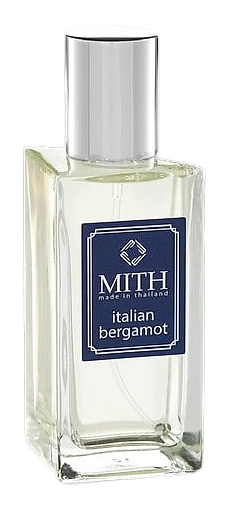
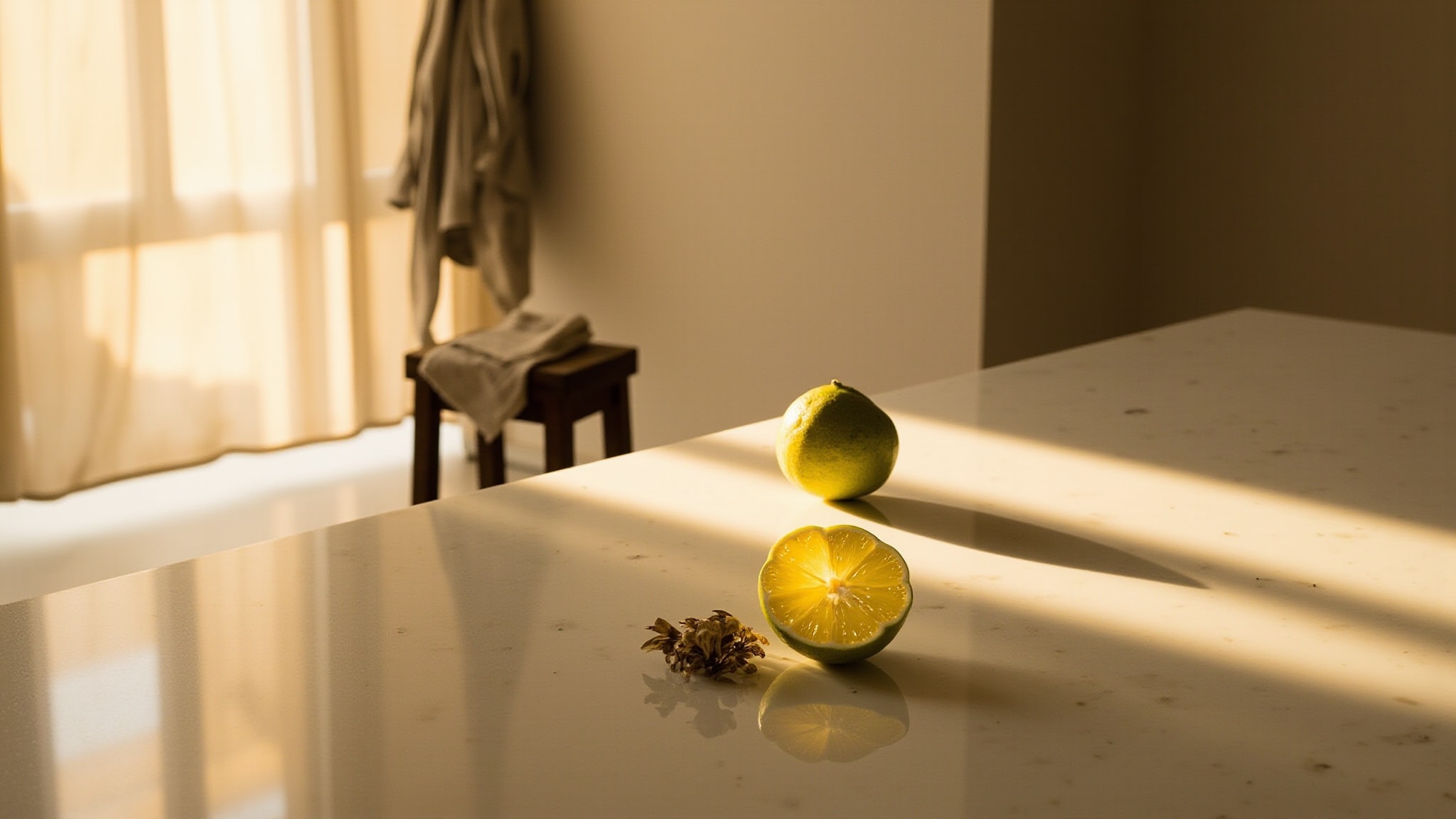
Italian Bergamot sits in MITH's catalogue as a fragrance that makes a promise most citrus compositions don't keep. The name implies a straightforward take on a familiar ingredient, but the execution has little in common with the frozen peel and dishwater freshness that dominate the cologne shelf. Instead, the opening moves through lemon, mandarin, celery seeds, and cardamom, each note sharpening the one that follows in a tightly sequenced arc. It's a composition designed to feel like a specific kind of warmth. Not the sticky swelter of tropical afternoons, but the dry, golden hour light of a Mediterranean hillside in late September, when the air carries both citrus and dust and the sea is close enough to taste.
What makes this fragrance unusual isn't the bergamot itself. It's what MITH does around it that earns a second spray. Celery seeds in the top notes are a confident choice, the kind of savory, almost-green spice that could easily tip a bright opening into kitchen-staple territory if handled carelessly. Cardamom steadies it, pulling the savory note back into the warm, slightly piquant register it needs to stay in conversation with the citrus.
The evolution
The first ten minutes are all snap. Lemon and mandarin hit fast, bright and sharp, and the celery seed pushes through almost immediately with a green, peppery crack that keeps the citrus from feeling one-note. Cardamom rounds the edges so the opening doesn't slide into cleaning-product territory. Around the twenty-minute mark the brightness recedes into something quieter. Juniper arrives with a gin-like coolness, crisp and slightly piney. Myrtle softens that crispness, layering a resinous green texture over it. Lavender pulls everything into a dry, herbal register that has almost nothing to do with citrus anymore. This is where Italian Bergamot earns its name, not from the fruit but from the feeling it conjures. A seaside garden, maybe. Stone walls, dry herbs, salt in the air.
Cultural impact
Italian Bergamot occupies an interesting position in contemporary perfumery because of how it uses bergamot. Rather than treating the ingredient as a fleeting opening flourish, the composition builds around it, allowing the citrus to anchor a structure that extends well past the first hour. The fragrance opens with lemon, mandarin, celery seed, and cardamom, then transitions through juniper, myrtle, lavender, and seaweed before settling into a base of vetiver, oak, agarwood, frankincense, and incense. That arc keeps the bergamot's character present throughout, even as the surrounding notes shift.