
The Story
Why it exists.
The beginning
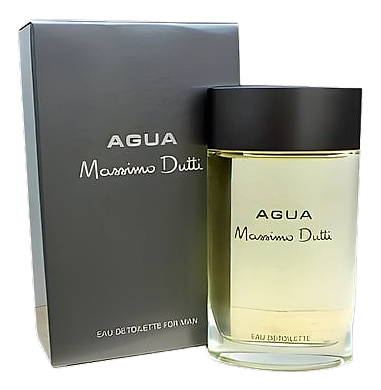
Agua arrived in 2001, part of Massimo Dutti's growing fragrance portfolio built on the same principle as its tailoring: nothing loud, nothing wasted. The scent was composed as a study in restraint, designed to complement the cut of a linen shirt rather than compete with it. Built around the tension between Mediterranean brightness and herbal depth, Agua layers citrus and aromatic greens against a resinous, woody base in a way that rewards attention without ever demanding it. Grapefruit, bergamot, and bitter orange open with a clean, almost translucent clarity, while rosemary and clary sage introduce a dry, herbal bitterness that keeps the composition from skewing too sweet or too sharp.
What makes Agua distinctive is the density of its opening. Six top notes, each one a different facet of citrus or aromatic green, layer into something that reads as a single chord rather than a sequence. Grapefruit and bergamot bring the brightness, rosemary and clary sage bring the herbal bitterness, and bitter orange with tangerine add a sweetness that keeps the whole thing from skewing medicinal.
The evolution
The first fifteen minutes are sharp. Grapefruit, bergamot, bitter orange, tangerine hit the skin at once like cold water, with rosemary cutting through the citrus like a blade. Clary sage grounds the brightness so it doesn't tip into something synthetic. For a brief moment the fragrance reads almost like a cologne splash, bright, transparent, almost bracing. By the twenty-minute mark, the lavender arrives. It softens the opening's edges and brings the herbal warmth forward, and the composition shifts from something purely citrus-aromatic into something with more body and pull. Cardamom adds a dry, slightly sweet spice, and elemi introduces a resinous, almost peppery quality that bridges the fresh top with the deeper base. Black pepper in the heart is subtle, more texture than heat, and it keeps the composition from feeling too clean or too soapy.
Cultural impact
Agua sits in a category that rarely gets attention: the quiet, well-made aromatic that never trends but always finds its wearer. Wearers tend to describe it as the scent of someone who got dressed without thinking about it and still looks composed. Its appeal rests on a kind of confidence, the confidence to let lavender, citrus, and pine do the talking while everything else stays in service of balance. In the hand, the bottle is weighty and unfussy, another quiet cue that this is a fragrance designed for repetition, not occasion.