
The Story
Why it exists.
The beginning
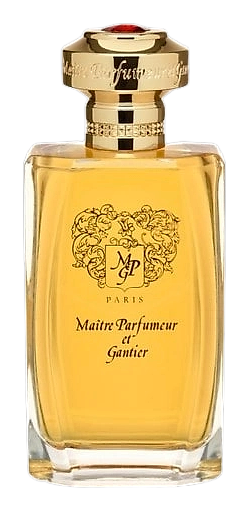
Jean Laporte designed Centaure around a tension, citrus brightness against something earthier underneath. The 1991 brief: build a masculine fragrance that reads as fresh on first encounter, then reveals its actual character as the top notes fade. Blackcurrant and fir absolute sit in the heart, not because they're easy, but because they change the conversation. Lavender and neroli keep the florals present without going soft. Oakmoss and tobacco in the base exist to remind the wearer this wasn't made to disappear.
The blackcurrant-fir pairing is unusual. In most aromatic masculine fragrances, the herbal quality stays light, a suggestion of herbs, not an insistence on them. Here, the blackcurrant brings a dark, almost syrupy fruitiness that pushes the green notes into something heavier. Fir absolute reinforces that density. Together they create what reviewers describe as a genuine heavy-green character, not delicate, not airy. It's the kind of decision that either works for you or doesn't, but it means Centaure occupies a specific space: aromatic enough to be recognizably masculine, but weighted in a way that rewards attention.
The evolution
The opening hits fast, mint, petitgrain, Brazilian orange, lemon in quick succession. The citrus doesn't linger. Within minutes the blackcurrant asserts itself, and the composition takes on that characteristic heavy-green weight. Lavender and fir carry the heart for two to four hours. Jasmine and neroli are there but subservient, floral notes in a fragrance that has no interest in being floral. The drydown is where this fragrance earns its longevity. Oakmoss and vetiver settle close to the skin. Tobacco adds a dry, slightly sweet earthiness. Eight to ten hours is the reported range, with the base notes doing the real work. What remains the next morning is that moss-and-wood foundation, present but quiet, the kind of thing you notice when you move than when you enter.
Cultural impact
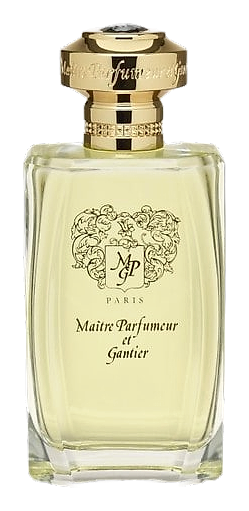
Maitre Parfumeur et Gantier emerged from the artisan perfume tradition of Grasse, France, where the house was established in the 1970s as part of a movement to preserve traditional perfumery methods outside mainstream commercial production. Centaure occupies a specific position within the aromatic citrus category, drawing from classical French cologne heritage while introducing mint as a dominant element. The fragrance reflects a particular era of niche perfumery when houses experimented with green and aromatic compositions as alternatives to sweet, heavyoriental scents. Its continued production speaks to a dedicated following among enthusiasts who appreciate its crisp, herbaceous character.