The Story
Why it exists.
The beginning
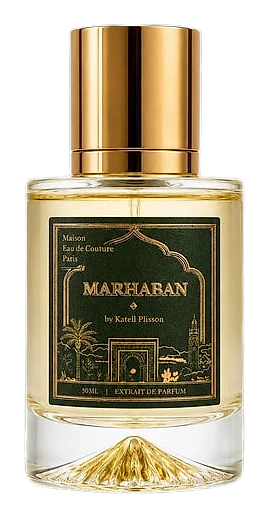
Marhaban means hello in Arabic, and that's the gesture perfumer Katell Plisson built this composition around. Released in 2026 from the French niche house Maison Eau de Couture, the fragrance is a greeting card written in aromatic smoke and steeped botanicals. Plisson is known for her measured, narrative-driven work, and Marhaban reads like a letter from a souk to a Paris apartment. It opens on green tea and absinthe, herbs that signal arrival rather than departure. The heart layers rooibos, chamomile, and saffron, a trio that smells less like a formula and more like a table set for conversation.
What makes the structure interesting is how Plisson treats the herbal notes like a chorus. Green tea, rooibos, and mate each carry their own tannic profile, layered across the top, heart, and base. The trio creates a continuity, a throughline of warmth from the first spray to the last hour. Artemisia and absinthe at the opening lean cool and almost medicinal, counterweighted by dates and benzoin later on. It's a balancing act between bitter aromatics and resinous sweetness, and the perfumer holds the tension without letting either side dominate. Vietnamese oud sits in the base but stays restrained, present without becoming the story.
The evolution
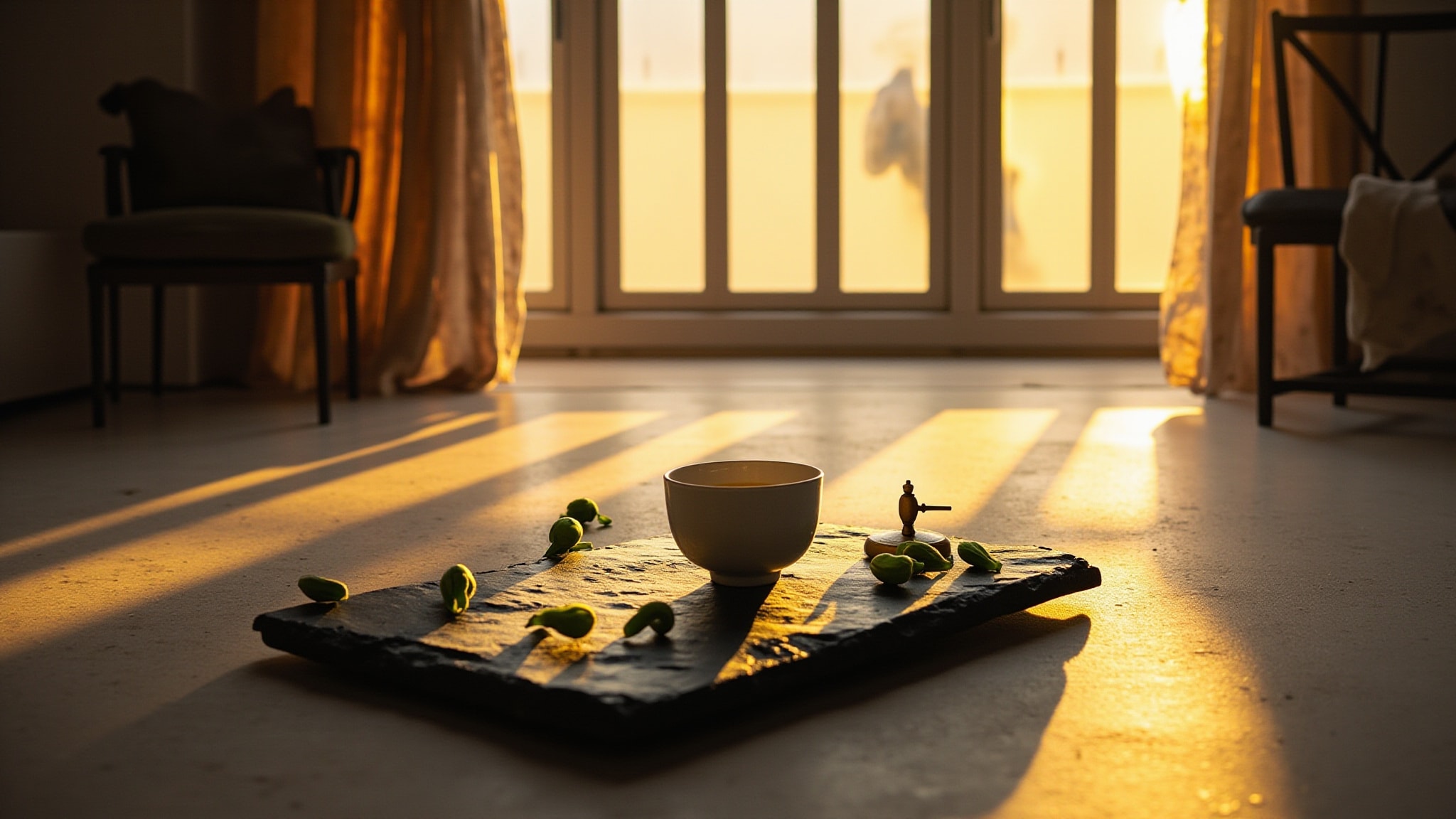
The first 15 minutes belong to green tea, lemon, and a clear, almost mineral absinthe. Nothing loud. The air feels rinsed. Cardamom and coriander arrive shortly after, adding a warm spice dust over the cool herbal wash. Spearmint cuts through the middle of the opening, a clean, sharp edge that fades as the heart takes over. Around the 30-minute mark, rooibos and chamomile settle in. The rooibos carries an earthy, slightly sweet warmth that replaces the opening's coolness. Rosemary and sage keep the heart aromatic rather than floral, even with jasmine absolute in the mix. Saffron adds a leathery thread without tipping into gourmand territory. Dates bring a quiet, dried-fruit sweetness that anchors the composition. By hour two, the base announces itself. Atlas cedar and incense take over, with benzoin lending a soft resinous edge.
Cultural impact
Marhaban sits inside a quieter conversation about how Arabic language and hospitality inform the emotional register of a fragrance. The word itself, marhaban, functions as a warm greeting in Arabic, and the scent leans into that hospitality with an opening that reads more like a welcome mat than a statement of intent. The absinthe and artemisia construction sets a tone that feels herbal and inviting rather than weighted, leaning toward an apothecary register with green tea, lemon, and spearmint carrying the opening.