The Story
Why it exists.
The beginning
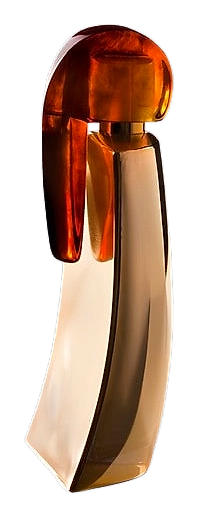
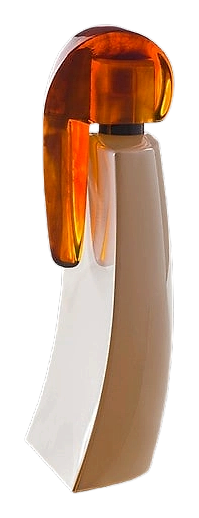
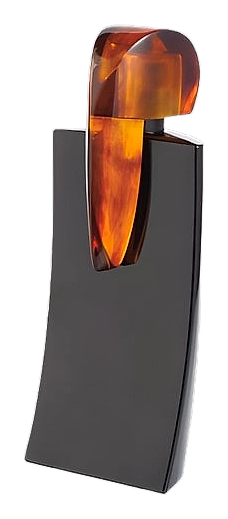
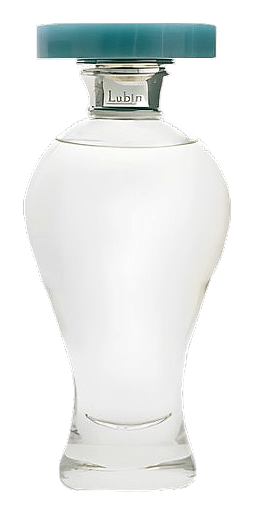
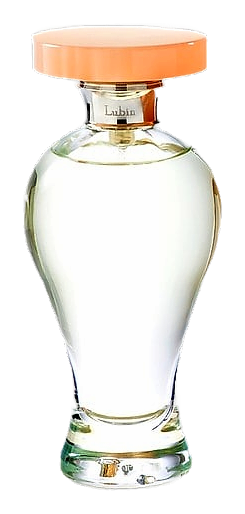
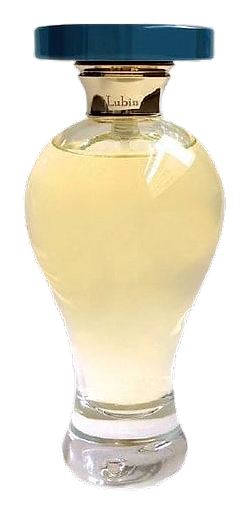
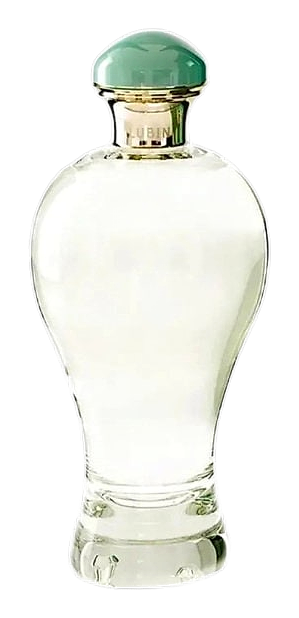
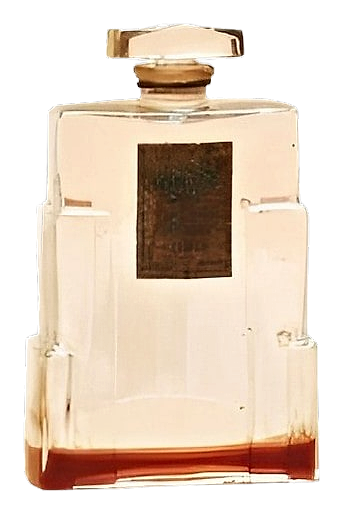
Jardin Secret arrived in 1929, a year that has its own particular gravity in the history of fragrance. The name translates plainly: Secret Garden. No mythology, no foreign locale, no romance of distant empires. Just a garden, deliberately hidden, offered through scent rather than spectacle. The fragrance was composed as a floral for women, quiet on first acquaintance, built to be discovered slowly. There is a hush to the way it presents itself, as though the bottle has been waiting on a shelf for someone patient enough to lift it. Jardin Secret belongs to that category of Lubin releases that reward unhurried attention, compositions that refuse to perform for the room and instead ask the wearer to lean in.
What sets a 1929 floral apart is not any single ingredient but the way the composition breathes. The garden in this fragrance isn't a conceptual sketch. It feels rendered with care, dense without being heavy, layered in a way that suggests patience at the bench. The bouquet reads as present rather than precious, floral that occupies space instead of simply decorating it. The materials feel chosen for their texture as much as their brightness, each one carrying its own weight in the accord. There is no rush to the drydown, no hurry to impress.
The evolution
The opening isn't a spark. It's a doorway. The fragrance eases into wear, light florals landing first, a soft lift that catches the air without announcing it. Within fifteen minutes the composition thickens slightly as the heart settles into its stride. There's no harsh turn between top and heart, no dramatic pivot. Just a softening, a deepening of the floral register into something more textured, more like real petals than the idea of them. The two-hour mark is where the base makes its presence known, though even this arrives gently. What stays is a warm, close-to-skin floral that clings to the body, more felt than broadcast. By evening, what's left is a faded floral warmth, closer to clean skin than to the original composition, evidence that something of substance was once there.
Cultural impact
Discontinued and undocumented in modern reviews, Jardin Secret sits in that category of vintage Lubin releases that surface in the secondary market rather than on retail counters. Its 1929 placement within the house's catalogue marks it as a piece of early-twentieth-century French perfumery, an object that connects a wearer to a specific moment in the house's output. Without widespread modern wear, its presence is faint, more archival than popular, a small coordinate on the map of Lubin's history.