The Story
Why it exists.
The beginning
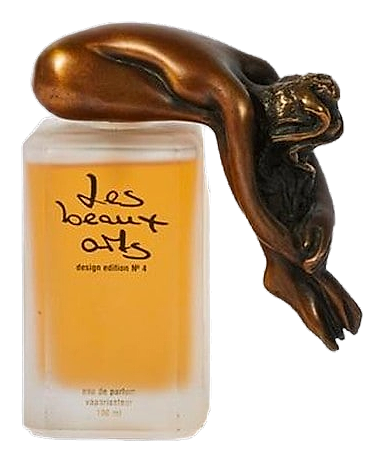
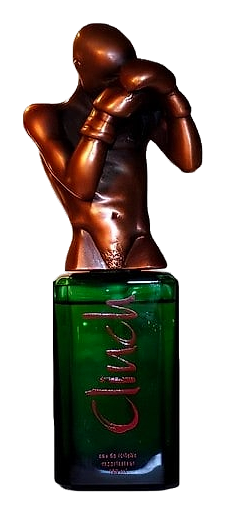
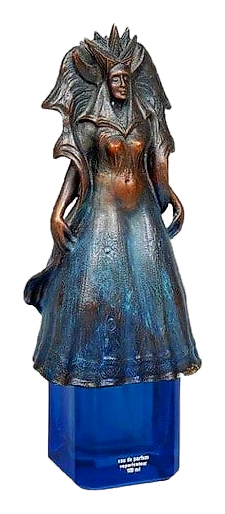
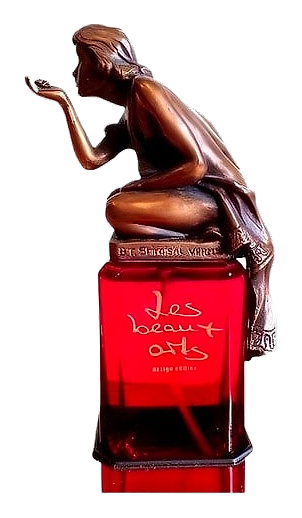
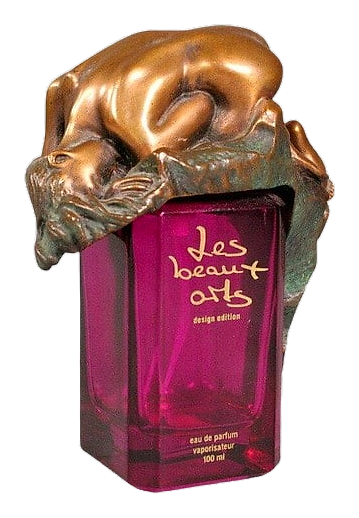
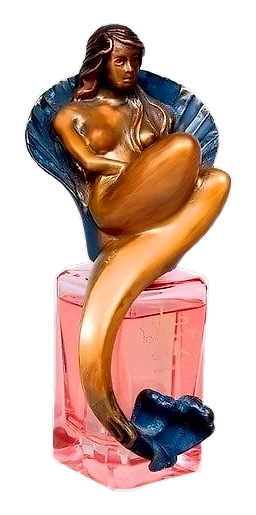
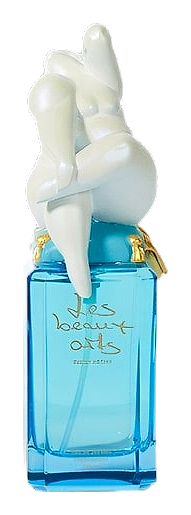
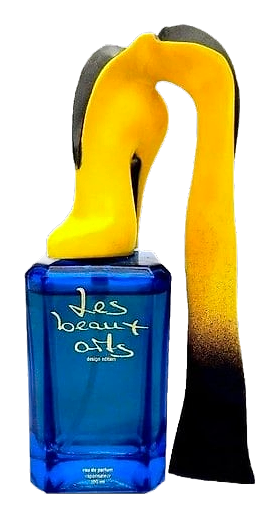
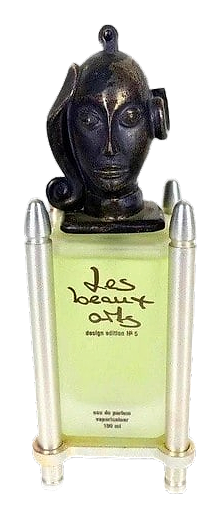
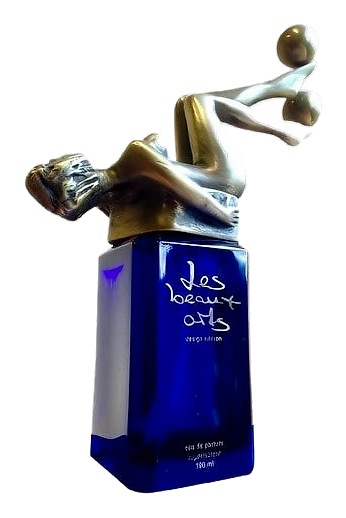
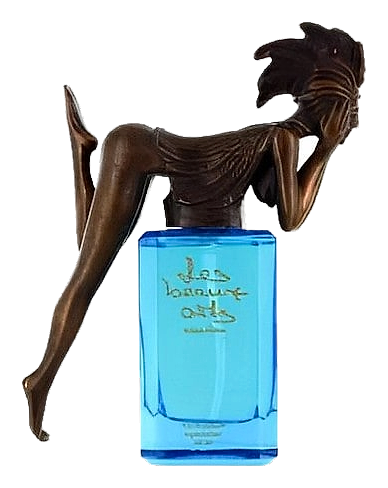
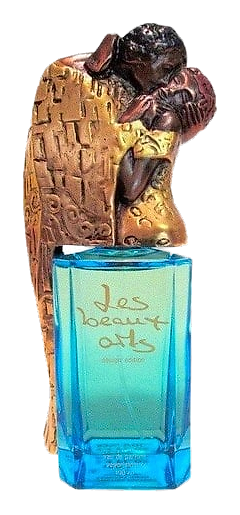
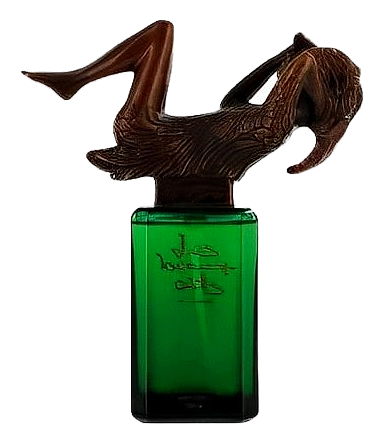
Design Edition №9 Papageno landed in 1998 as part of Les Beaux Arts' numbered series, each release a distinct exercise in bottled design. Papageno takes its name from a character whose panpipes once echoed through forest clearings, and the marine-green composition inside translates that woodsman energy into scent. There's something wet and vegetal happening from the first spray, less perfumed architecture and more like stepping into a clearing after rainfall, the kind of place where the air tastes green. The bottle itself was designed by Ernst Fuchs, a visual artist whose work carries a symbolic edge.
What makes Papageno interesting is the tension at its center. Aquatic and marine notes, which usually anchor a clean blue fragrance, get pulled into conversation with moss, cedar, and sandalwood. The result is a composition that smells wet without smelling synthetic, almost as though someone built a cologne around the idea of freshwater rather than saltwater. The green notes do the heavy lifting early, suggesting crushed herbs and damp bark rather than the typical ozonic aquatics of its era.
The evolution
The opening minutes belong to the green and marine accord, sharp and lifting, almost like sea spray on a nettle leaf. There's a brightness at the start, a kind of chlorophyll clarity that reads as fresh rather than sharp. The spicy notes flicker through early on, briefly steering the composition toward something warmer and almost peppery before the cedar and sandalwood arrive and slow everything down. The moss deepens underneath, pulling the composition closer to the skin, and what started as a bright aquatic settles into a dense, slightly damp wood. As the hours pass, the marine accord recedes quietly while the woods take over, and you're left with a quiet cedar-moss blend that lingers on fabric well into the next morning. The drydown rewards leaning in rather than stepping back, the kind of close-to-the-skin wear that reveals new facets the longer it sits.
Cultural impact
Papageno sits among Les Beaux Arts' numbered Design Editions, a collector's series rather than a commercial line, and its 7500-bottle production run places it in a category where scarcity shapes the conversation. The Ernst Fuchs-designed bottle gives the Edition its visual identity, and the limited release format has kept interest steady among those who track numbered niche releases. The composition's unusual balance of marine and mossy green notes, paired with an artist-collaborated bottle, makes it a quiet curiosity for anyone interested in the overlap between visual art and scent.