The Story
Why it exists.
The beginning
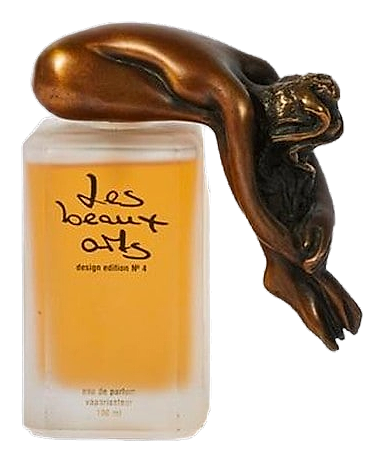
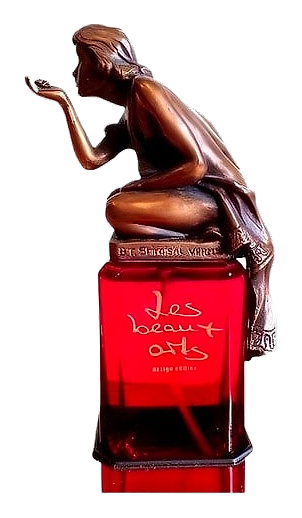
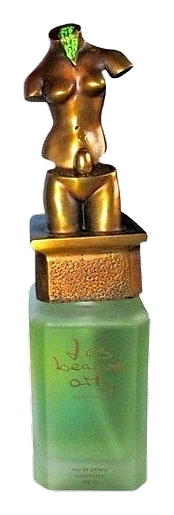
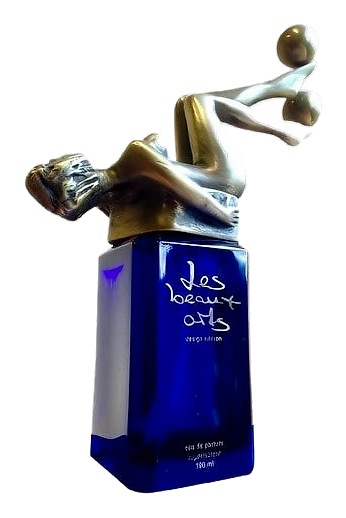
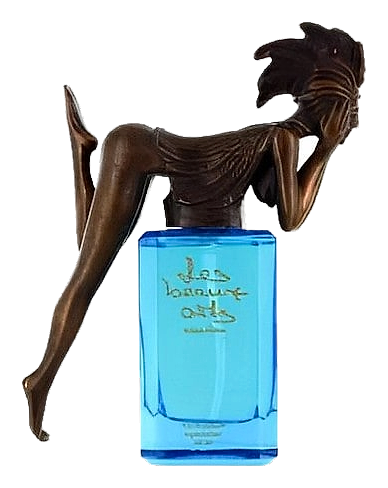
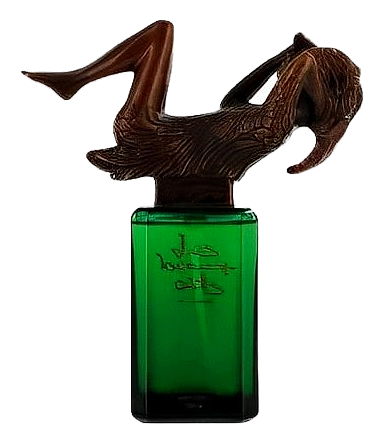
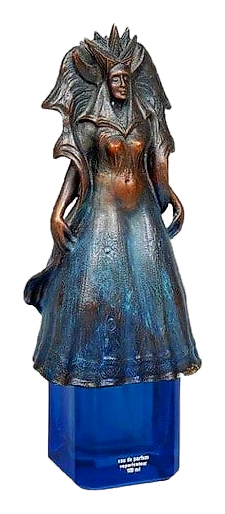
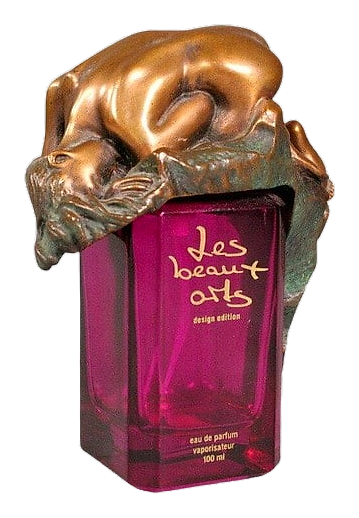
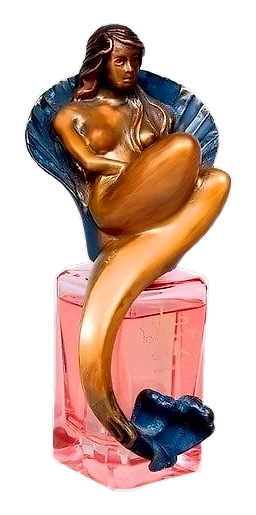
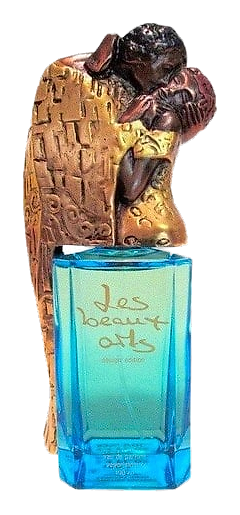
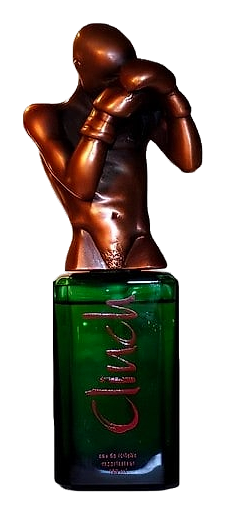
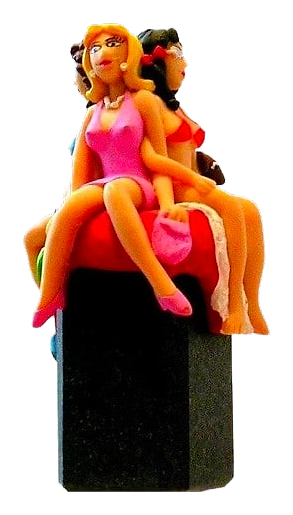
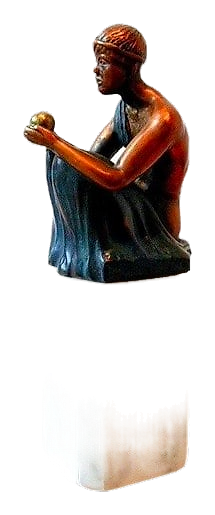
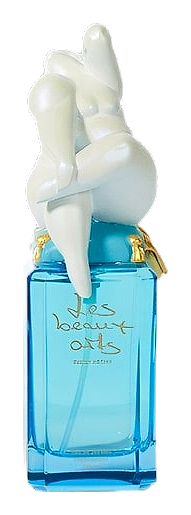
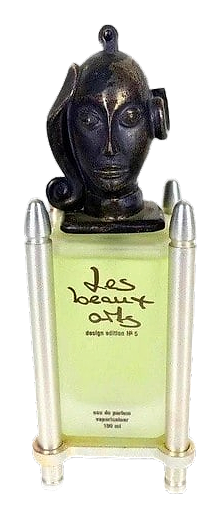
Design Edition №5 Diana arrived in 1995 as part of the Design Edition series from Les Beaux Arts, the same house responsible for editions like Shining, Eros, and Königin der Nacht. The bottle was designed by Paul Wunderlich, whose visual language leans toward the surreal, and the glass carries that sensibility. Diana takes its name from a figure embedded in Western visual culture, and the scent translates the idea into something quieter and more domestic, a fragrance that reads as an object of attention rather than spectacle. Released in a run of 14,999 pieces and last marketed through E&C, it sits early in a catalog that includes the editions listed above. A limited object, made to be studied as much as worn.
The composition earns its place by doing something straightforward without becoming thin. Fruity notes carry the sweetness, green notes provide the snap and the stem, and white blossoms round the edges so neither extreme dominates. The green is what keeps it from tipping into candy, and the fruit is what keeps it from smelling like a salad. White blossoms do the bridging work between them, which is the real craft: a short pyramid that holds its shape because each layer knows its job. The balance is the point.
The evolution
The opening hits fast and clean, a wash of fruit that registers as orchard-fresh without naming a single note. It stays bright for a while, almost candy-adjacent but cut by a green thread running through the center, the kind of vegetal snap that gives the composition its spine. Somewhere in the early going the white blossoms step forward. The fruit doesn't vanish, but the bouquet softens it, adds a creamy petal warmth that takes the sharpness off without dulling it. What lingers longest is the green, and that surprises people who assumed the fruit would be the memory. Instead the drydown reads cool, slightly grassy, with a faint sweetness underneath like the smell of a garden after the picking is done. It doesn't project hard, but it doesn't disappear either.
Cultural impact
Diana reads as a collector's curiosity rather than a crowd-pleaser. The 14,999-piece run and the Wunderlich-designed bottle make it an object as much as a scent, one that fits naturally into a shelf of Les Beaux Arts editions. The limited number alone sets expectations, and the bottle design reinforces the sense that this was conceived as something to be displayed and discussed rather than worn and replaced.