The Story
Why it exists.
The beginning
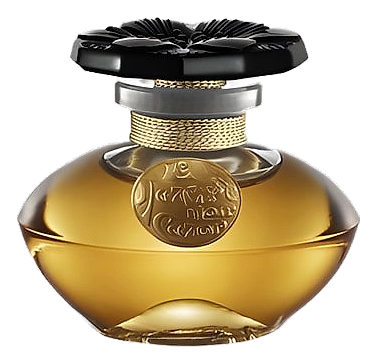
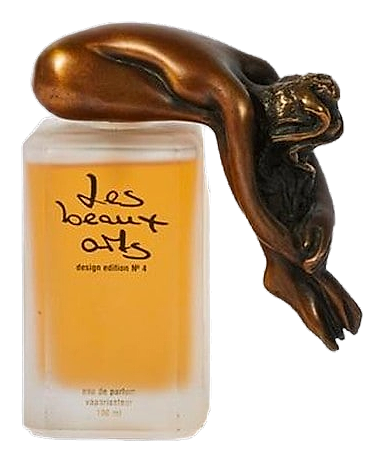
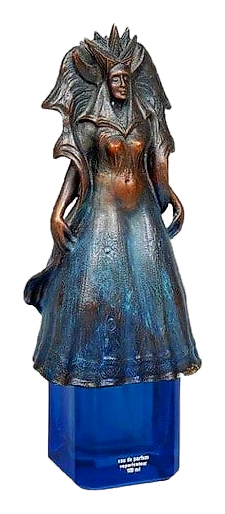
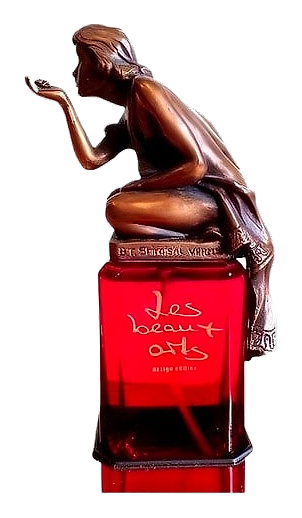
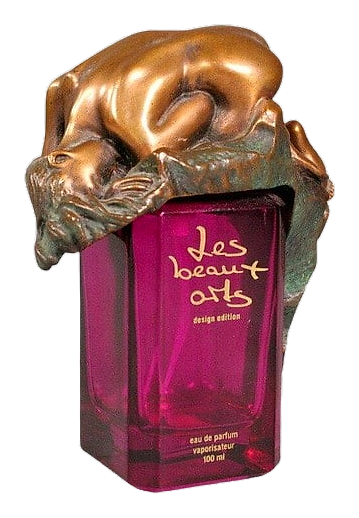
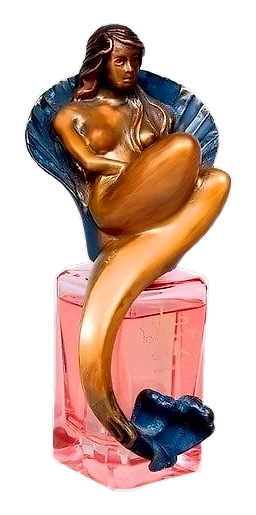
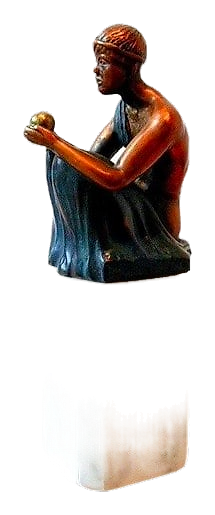
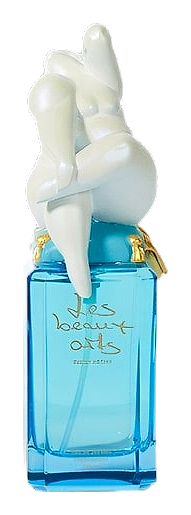
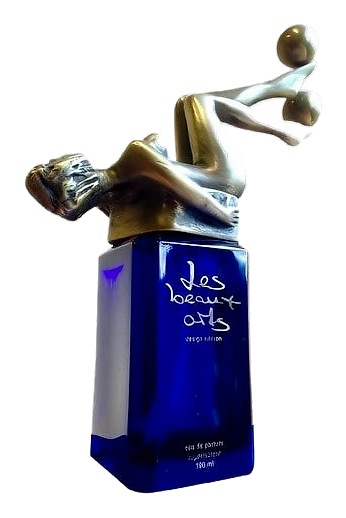
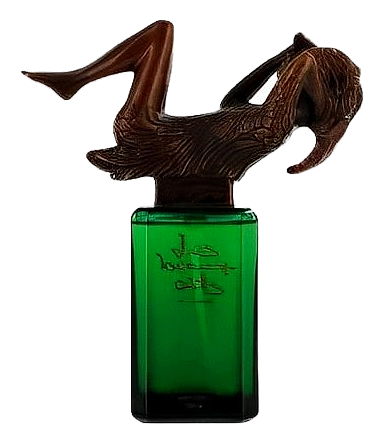
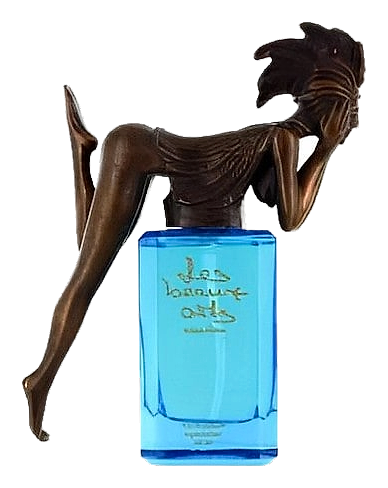
Design Edition №9 Papagena arrived in 1998 as part of Les Beaux Arts' ongoing series of fragrance-as-art-object releases, a numbered line conceived to give each bottle a visual identity as considered as the juice inside. The name Papagena carries a lightness in the mouth, a playful musicality that suits a floral composition built more on air and water than on weight. 7,500 bottles were produced, a deliberate restraint that turned the release into something worth seeking out. Each flacon was designed by Ernst Fuchs, whose work gave the bottle a presence that felt closer to sculpture than packaging, a visual artifact meant to hold attention even before the cap came off.
What makes Papagena unusual is its restraint. Lilac and narcissus carry a green, almost watery quality at the start, the kind of freshness that reads more like early morning light than a perfume counter. There's a cool, vegetal snap to the opening, the sensation of stems just pulled from water, still holding that faint green translucence. The narcissus brings something slightly earthy beneath the brightness, a quiet loam note that keeps the lilac from feeling thin. The orchid adds a creamy, slightly waxy bridge, rounding the green into something more generous without tipping into sweetness.
The evolution
The first ten minutes belong to lilac and narcissus, green and bright, almost like crushed stems under cool water. The narcissus throws a faint vegetal shadow beneath the lilac's lift, something almost root-like that keeps the brightness honest. Then orchid arrives, a waxy cream that softens the green into something more rounded. Rose slips in underneath, barely announcing itself, more a suggestion of warmth than a statement. The heart holds for two to three hours, a soft floral haze that sits close to skin rather than projecting outward. By hour four, the vanilla is fully in charge. Powdered, not syrupy, the kind of vanilla that smells like old letters and silk-lined drawers. It dries down to a skin-scent, quiet enough that only someone leaning in catches the last trace of rose and orchid memory.
Cultural impact
Design Edition №9 Papagena sits in the collector conversation more than the mainstream fragrance dialogue. Its limited 1998 run of 7,500 bottles, designed by Ernst Fuchs, places it firmly in niche territory, the kind of release that registers more strongly with those who track scent as cultural artifact than with casual fragrance buyers. The numbered run and the artistic collaboration make it feel closer to a small press edition than a commercial product, something issued once and then allowed to recede. Wearers tend to think of it as an artifact, a finite thing that carries its own story, distinct from anything issued in larger volume.