The Story
Why it exists.
The beginning
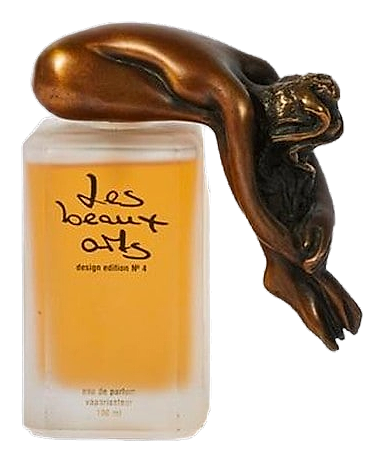
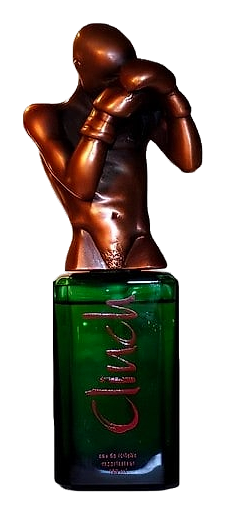
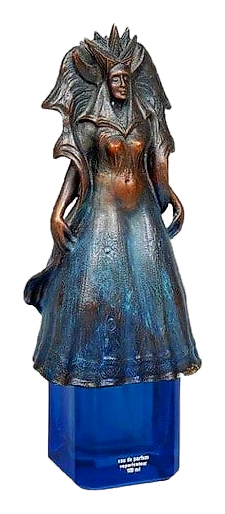
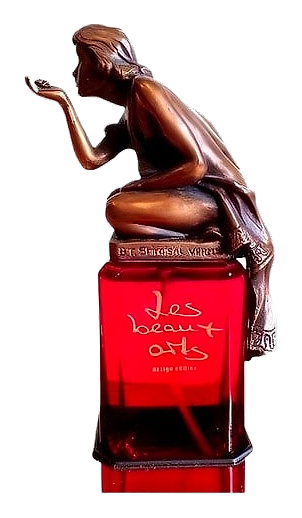
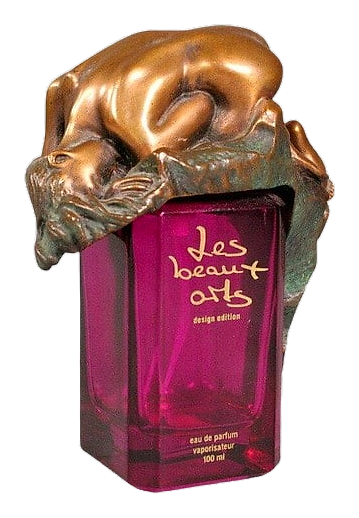
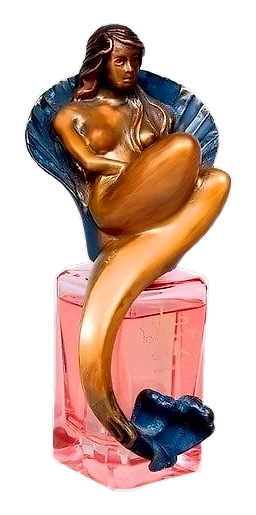
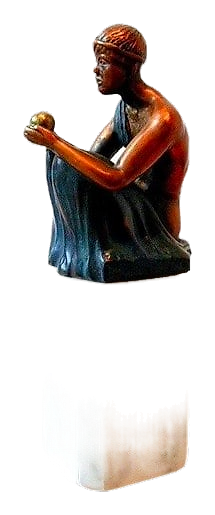
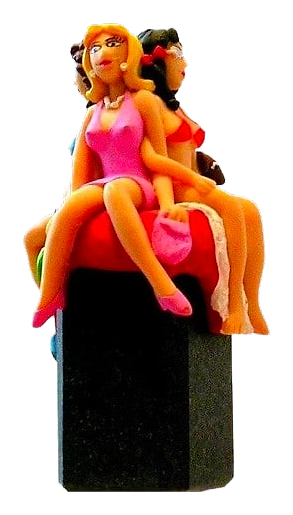
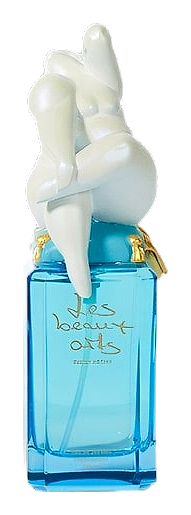
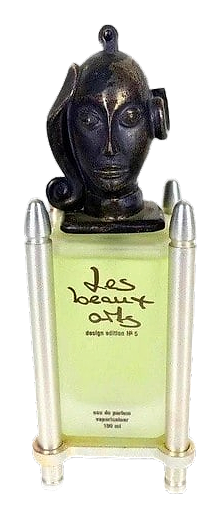
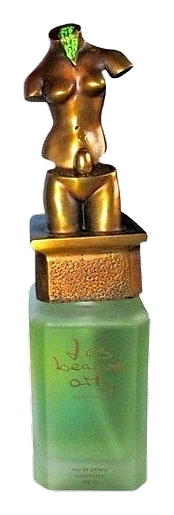
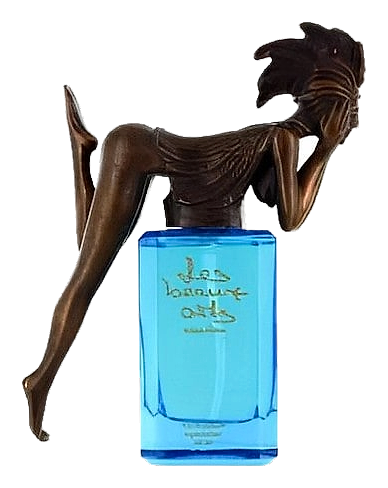
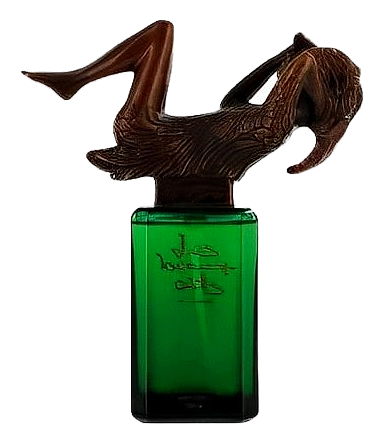
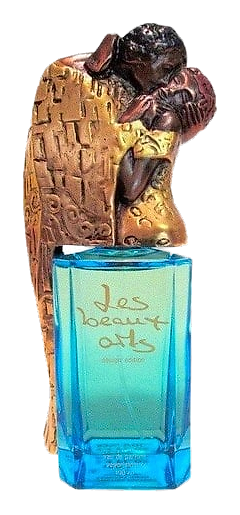
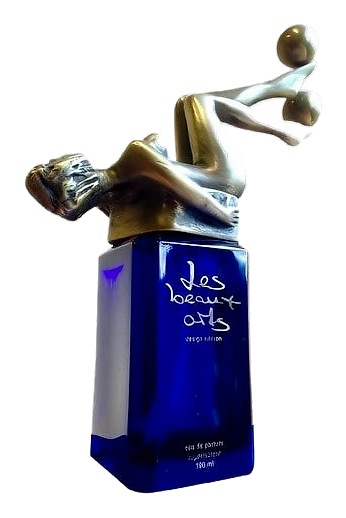
Design Edition №8 Roncalli's Le Parfum entered Les Beaux Arts' catalogue in 1998, the eighth instalment in a series that the house has built around numbered editions. For №8, the bottle design was entrusted to Bernhard Paul, a contemporary artist whose work has long balanced visual play with a sense of quiet intimacy. The composition sets out to translate that sensibility into scent: a floral bouquet built on narcissus and lilac, two notes that share a cool, almost leafy character in the opening minutes. What emerges is something that reads as both composed and softly inhabited, a fragrance that seems to hold its own atmosphere rather than demand attention. Limited to 7,500 pieces at launch, it remains a release that collectors continue to seek out.
What gives this composition its particular character is the way it handles restraint as an aesthetic choice. The yellow-green of narcissus leads the opening, a note that carries a faintly bitter edge before settling into something softer. Lilac follows, sweetening that greenery into something that reads as cosmetic and slightly old-fashioned, the kind of sweetness associated with vintage powder compacts rather than fresh florals.
The evolution
The opening minutes carry a cool, green character, with narcissus presenting a faintly bitter, almost metallic edge that catches the air above the skin. Lilac follows close behind, sweetening that initial sharpness with something that reads as cosmetic, the soft sweetness of a vintage face powder compact. As the first hour unfolds, the flower heart expands. Rose arrives dewy rather than jammy, unfolding into the green like a single stem in a glass, while orchid thickens the centre into a warm, dense creaminess. Through the middle hours, the composition fills out without losing its powdery distance, the florals holding their composure even as the cream gathers warmth. Vanilla surfaces gradually, pulling the bouquet down toward the skin without ever tipping into dessert territory. The base settles into a soft, low-lit register that carries the narcissus-lilac accord into its final phase.
Cultural impact
Among Les Beaux Arts' numbered editions, №8 holds a particular place with collectors who gravitate toward the house's white-floral work. The Bernhard Paul bottle gives the release a quiet visual identity that suits the scent it contains, a juice that wears close to the skin rather than projecting outward. Wearers describe it as a scent for the wearer rather than the audience, something appreciated at close quarters, on warm fabric, or caught accidentally hours later. It belongs to a small class of late-1990s florals that chose a soft, slightly melancholy register, a release that has aged into something sought after by those who know it.