
The Story
Why it exists.
The beginning
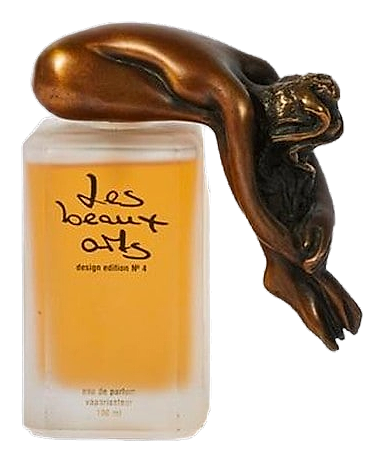
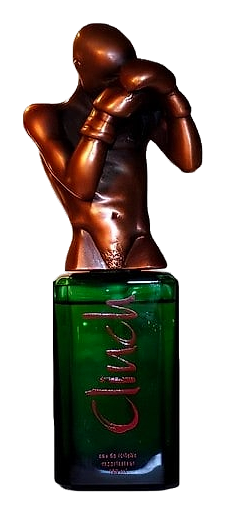
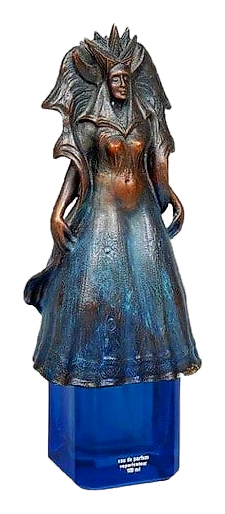
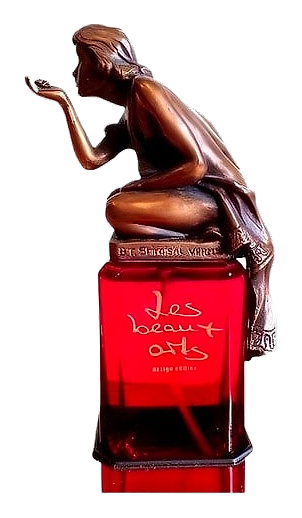
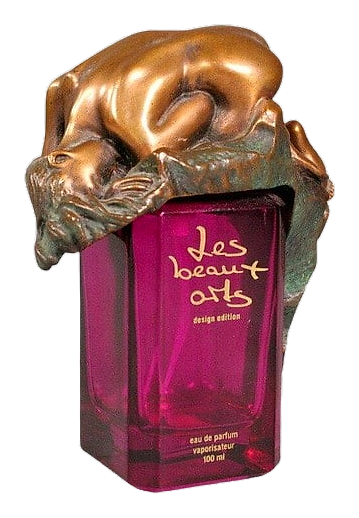
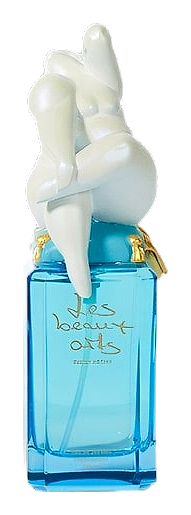
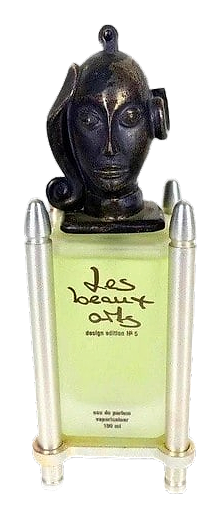
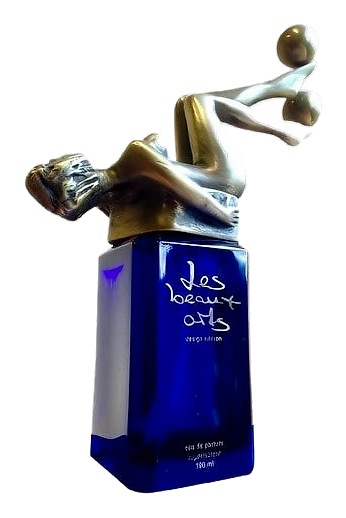
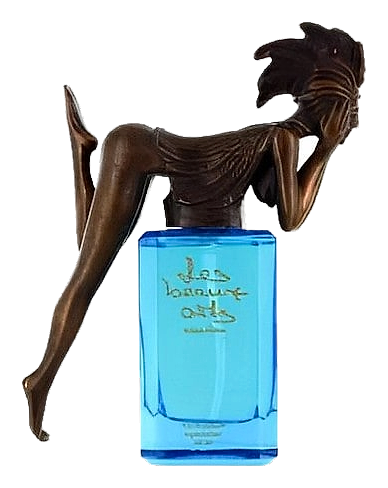
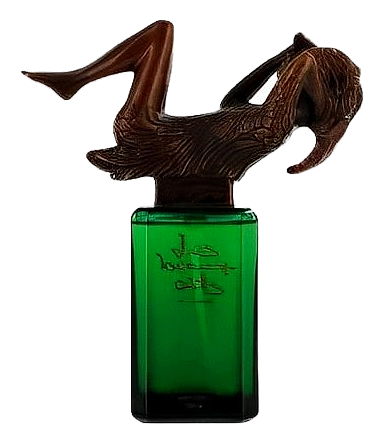
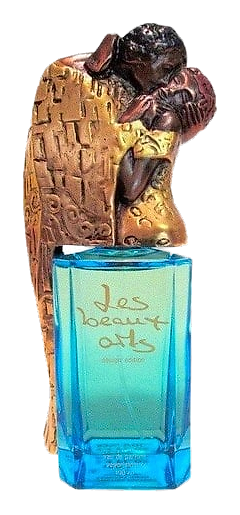
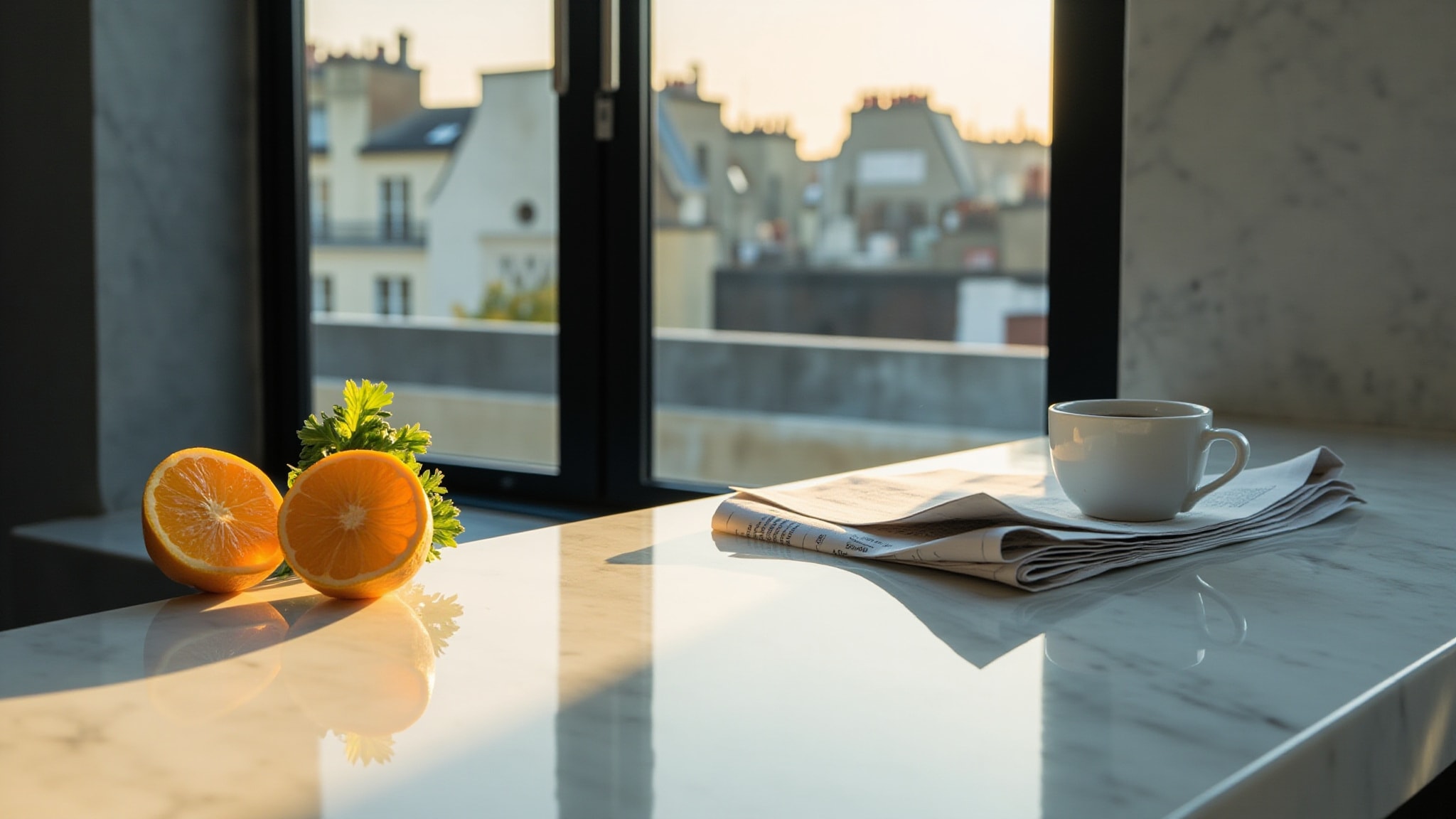
Design Edition №13 Paris arrived in 2000 as part of Les Beaux Arts' curated series of numbered scent-artworks. The Paris edition reads as the most literal of the line: a composition tied to a city rather than a painter, poet, or operatic figure. Released under the brand's Design Editions imprint, limited to 7,500 pieces and with bottle design credited to Patrizia Guerresi, it points to the French capital through its opening rather than through any pictorial label. The intent, consistent with the house's curatorial model, is to render an urban sensibility in olfactory terms: a fragrance whose silhouette suggests the brisk clarity of a stone façade catching early light, the snap of green leaves along a planted boulevard, the cool mineral residue of rain on limestone.
What distinguishes this composition is its refusal to dress up. №13 Paris stays disciplined, mandarin and orange layered with green notes, sharpened by coriander, and grounded lightly by woods. The result is a citrus-aromatic that leans architectural rather than gourmand. The coriander does the structural work most fragrances leave to lavender or pepper, lending the green elements an herbal snap rather than a flat leafy note.
The evolution
The first twenty minutes belong to mandarin orange, and it doesn't negotiate. That orange is sweet, slightly waxy, and almost candy-bright before the green notes cut in and reintroduce some discipline. Coriander arrives fast, almost within the first ten minutes, adding a cool herbal edge that makes the citrus feel deliberate rather than juicy. The heart holds for about an hour and a half, the two citruses (mandarin and orange) trading brightness with the green-coriander spine, no floral detour, no gourmand warmth. Then the woods appear, soft and somewhat shy, more texture than statement. By hour three it has settled into a clean woody base with a faint citrus memory clinging to the collar. On skin the sillage stays moderate through the first ninety minutes, then tightens to a personal radius. The next morning, what's left on fabric smells like the ghost of a tea service, green, faintly woody, unmistakeably clean.
Cultural impact
Design Edition №13 Paris is the most quietly literal entry in Les Beaux Arts' curatorial catalog, a scent named not for a painter or poet but for the city the brand calls home. Its limited run of 7,500 pieces keeps it firmly outside the territory of mass distribution, positioning it instead as a small-batch object for those who actively follow the house's output. The composition itself reads as a daytime study: the citrus opening of mandarin and orange, the green herbal character of coriander at the heart, and the clean light-wood base that closes the scent.