
The Story
Why it exists.
The beginning
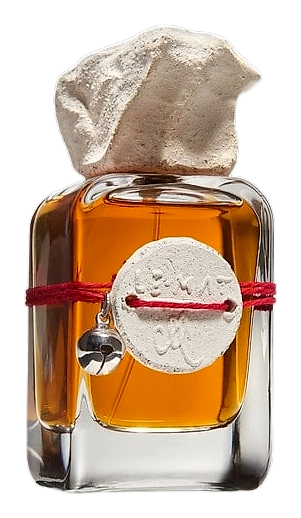
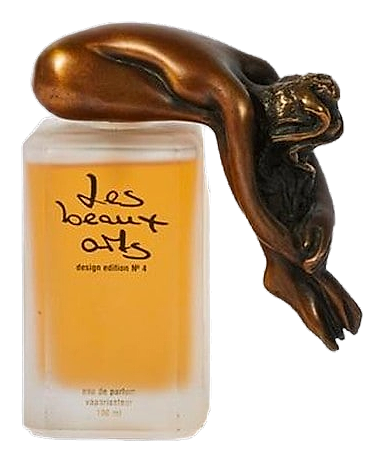
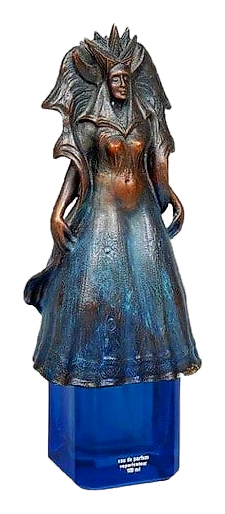
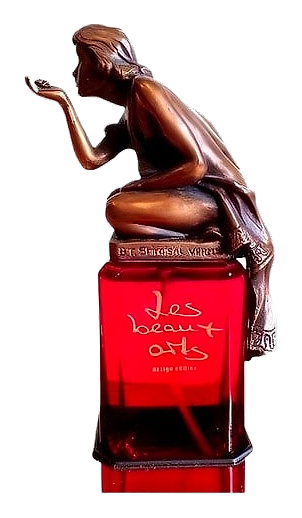
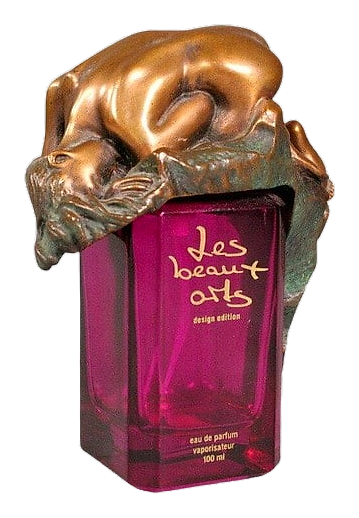
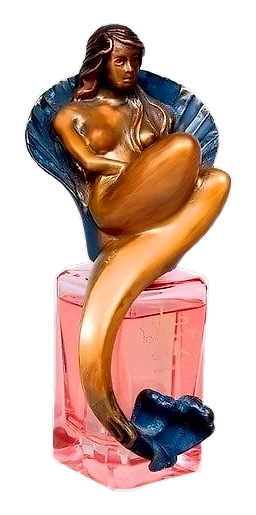
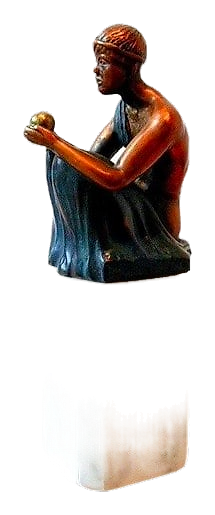
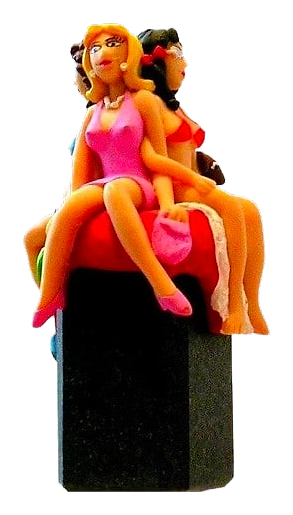
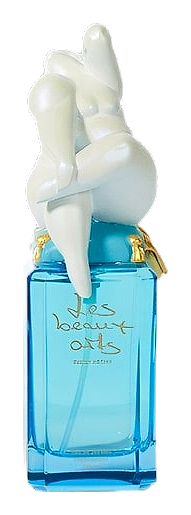
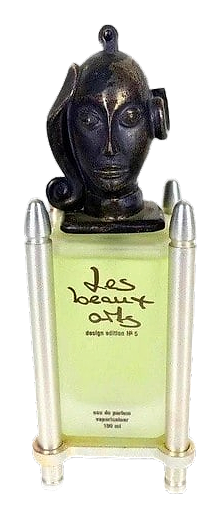
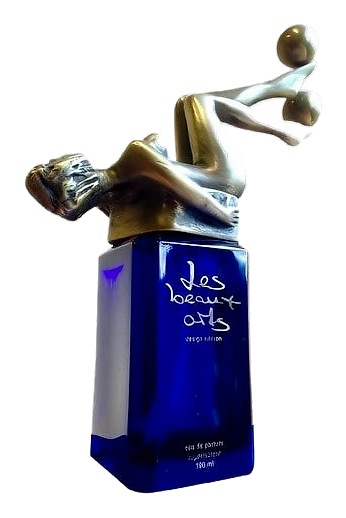
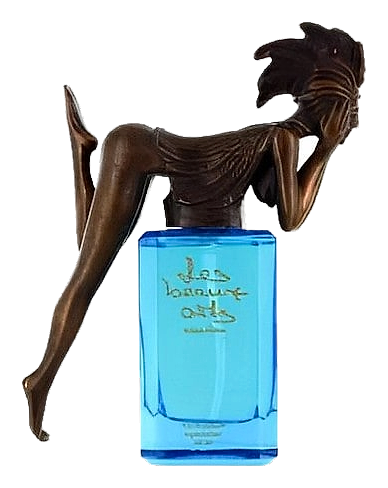
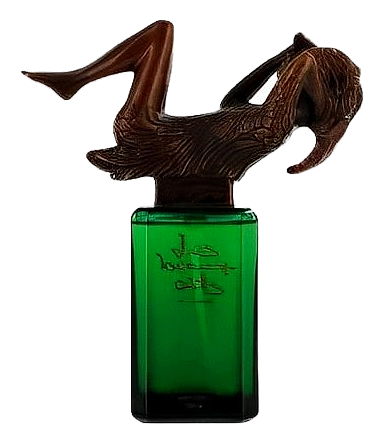
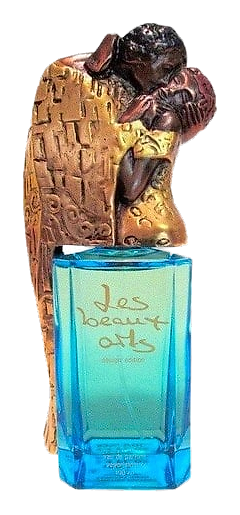
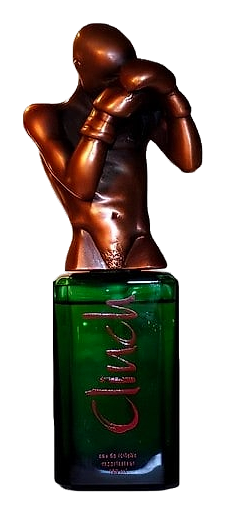
Clinch arrived in 1997 as part of Les Beaux Arts' Design Edition series, a numbered line of fragrances presented each as its own contained object. The bottle itself was designed by Bruno Bruni. Thirty thousand pieces were produced before the edition was retired, and it has since drifted into the hands of collectors who keep it for reasons that have nothing to do with branding or celebrity endorsement. Clinch sits in an unusual place: not the brand's most discussed release, not a flagship. It belongs to a larger catalog of numbered entries, each one a small, deliberate thing rather than a mass product.
What makes Clinch structurally interesting is the tightrope it walks between marine and green. These are two directions that could easily cancel each other out, the cool aquatic element collapsing the leafy vegetal one, or the greenery turning the marine note into something flat and sweet. Here, neither happens. The marine notes bring salinity and cold air, the green notes push back with crushed stems, leafy sharpness, and the vegetal bitterness of living plants.
The evolution
The opening is the loudest Clinch gets. Marine and green notes arrive almost simultaneously, a burst of salt-tinged vegetation that reads as bracing and clear. The spicy threads are already running through the top, warming the chill of the aquatic notes so the scent never tips into cologne territory. Within twenty minutes the green deepens. The marine notes recede from the foreground but never fully leave, hanging in the periphery like sea air through a window. The heart is where the green notes take full command: stems, leaves, something floral-adjacent without ever naming a flower. The spicy element deepens here, gaining presence without losing its sharp edge. The drydown is the surprise.
Cultural impact
Clinch occupies a particular corner of the discontinued fragrance market. Its limited production run of thirty thousand pieces and its retired status have made it a collector's curiosity rather than a mainstream reference point. The Bruno Bruni bottle design contributes to this identity, distinguishing the fragrance visually from anything currently in production and reinforcing its status as a designed object.