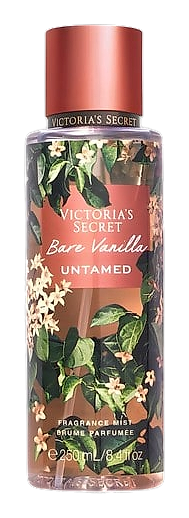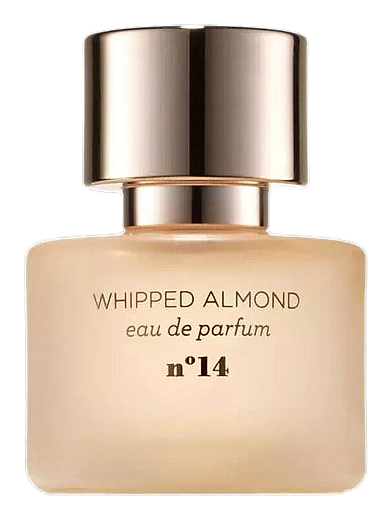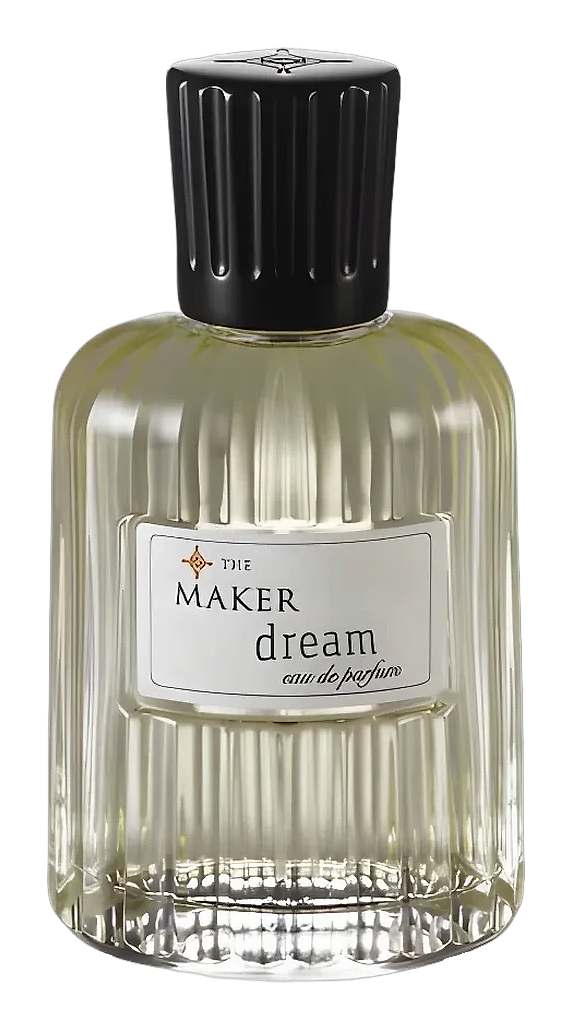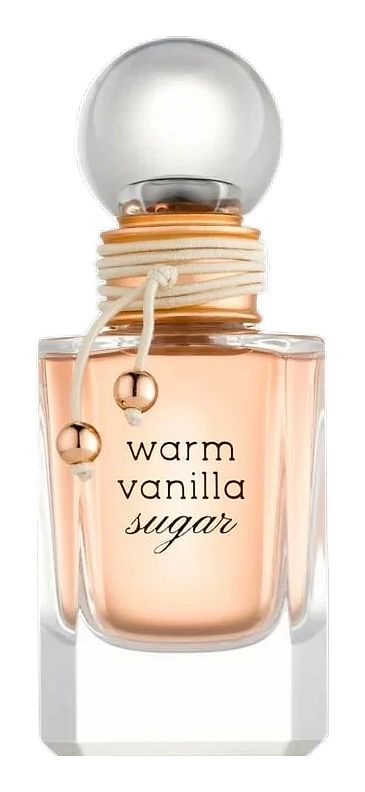

The Story
Why it exists.
The beginning
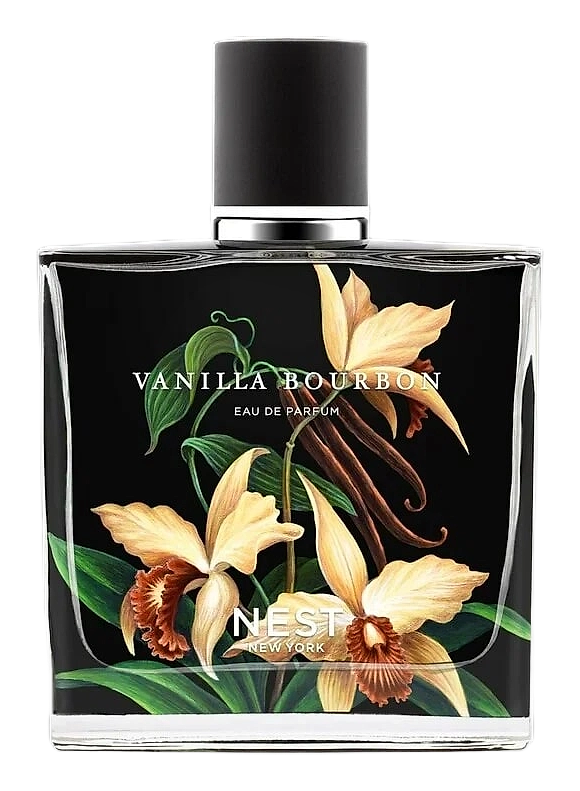
Vanilla Bourbon began with a night out. Not just any night, a specific evening at one of Manhattan's most iconic bars, the kind of place where the lights come up late and the bourbon is poured like it matters. Alexandra Monet was there. She watched someone order a top-shelf bottle, hold it up to the light, and decided that moment, the amber, the unhurried indulgence, the way a good spirit smells when it warms in a glass, needed to exist beyond the bar. What followed was a translation: bourbon vanilla absolute, brown sugar, a kick of orange bitters, night-blooming jasmine, and a musk that keeps the whole thing skin-close. The result is a fragrance that smells like the end of a good night, made wearable.
What makes Vanilla Bourbon unusual is the orange bitters in the opening. It is a deliberate interruption, a sharp, almost medicinal citrus note that arrives and immediately refuses to be ignored. Most gourmand formulations build their foundations from sweet to sweeter, giving you immediate comfort. This one delays things. The bitterness recedes within minutes, yes, but its presence shapes everything that follows. It makes the brown sugar read darker, almost burnt. It makes the bourbon vanilla feel less like dessert and more like something that was actually aged. Without it, this is a pleasant sweet scent. With it, the composition earns its name.
The evolution
The opening announces itself. Orange bitters strike first, a clean, counterintuitive sharpness that sits strange on a first spray. Most people check their wrist. Thirty seconds in, the sweetness arrives. Brown sugar and night-blooming jasmine tumble forward, and the bitters begin their retreat. Not gone, but muted. The jasmine adds a floral dimension that stops it from reading purely edible. Ten minutes in, the bourbon vanilla is in charge. The composition shifts from bright-sweet to sticky-warm, and it stays there for the next two hours. Then begins the slow settling. The jasmine fades first, followed by the sugar. What remains is vanilla absolute and musk, deep, resinous, close. The kind of base that stays on skin when everything else has metabolized out. On fabric, it can carry into the next day. This is the payoff: a drydown that is intimate, persistent, and worth reaching for.
Cultural impact
Vanilla Bourbon arrived in 2024 at a moment when gourmand fragrances were experiencing a full cultural reappraisal. Where the 2010s preferred clean, skin-like compositions, white musks, sheer florals, musky woods, the current wave has returned to sweetness without apology. Vanilla Bourbon sits squarely in this shift. It is sweet enough to register across a room and warm enough to suit the person who ordered the good bourbon, not the cocktail. The polarizing reception, respected by enthusiasts for its unapologetic assertiveness, reflects its success at being exactly what it intends to be: immediate, sticky, warm. For wearers who want vanilla that earns its sweetness rather than hiding behind it, this is a reference point.