The Story
Why it exists.
The beginning
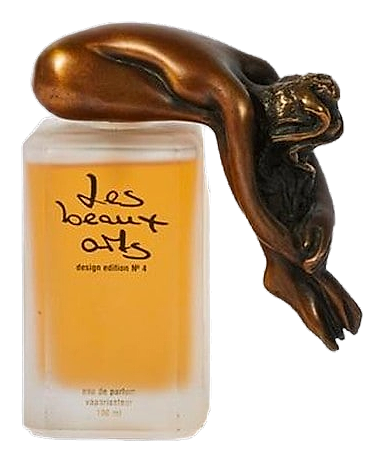
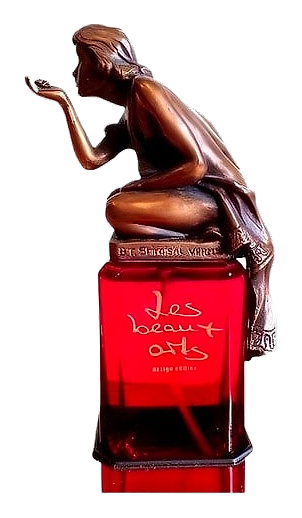
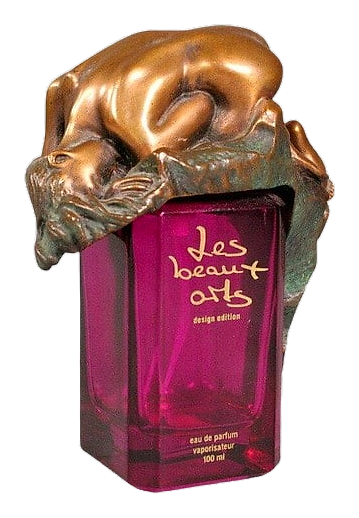
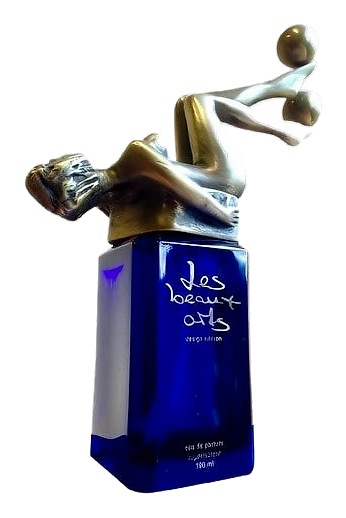
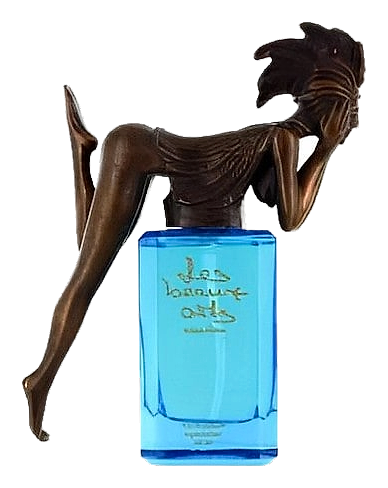
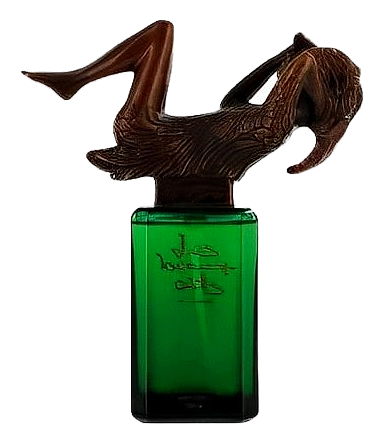
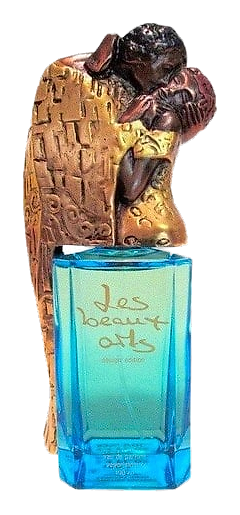
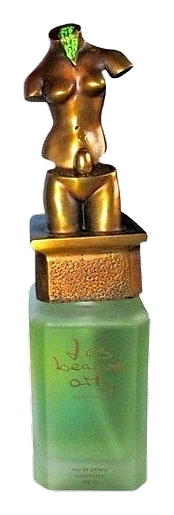
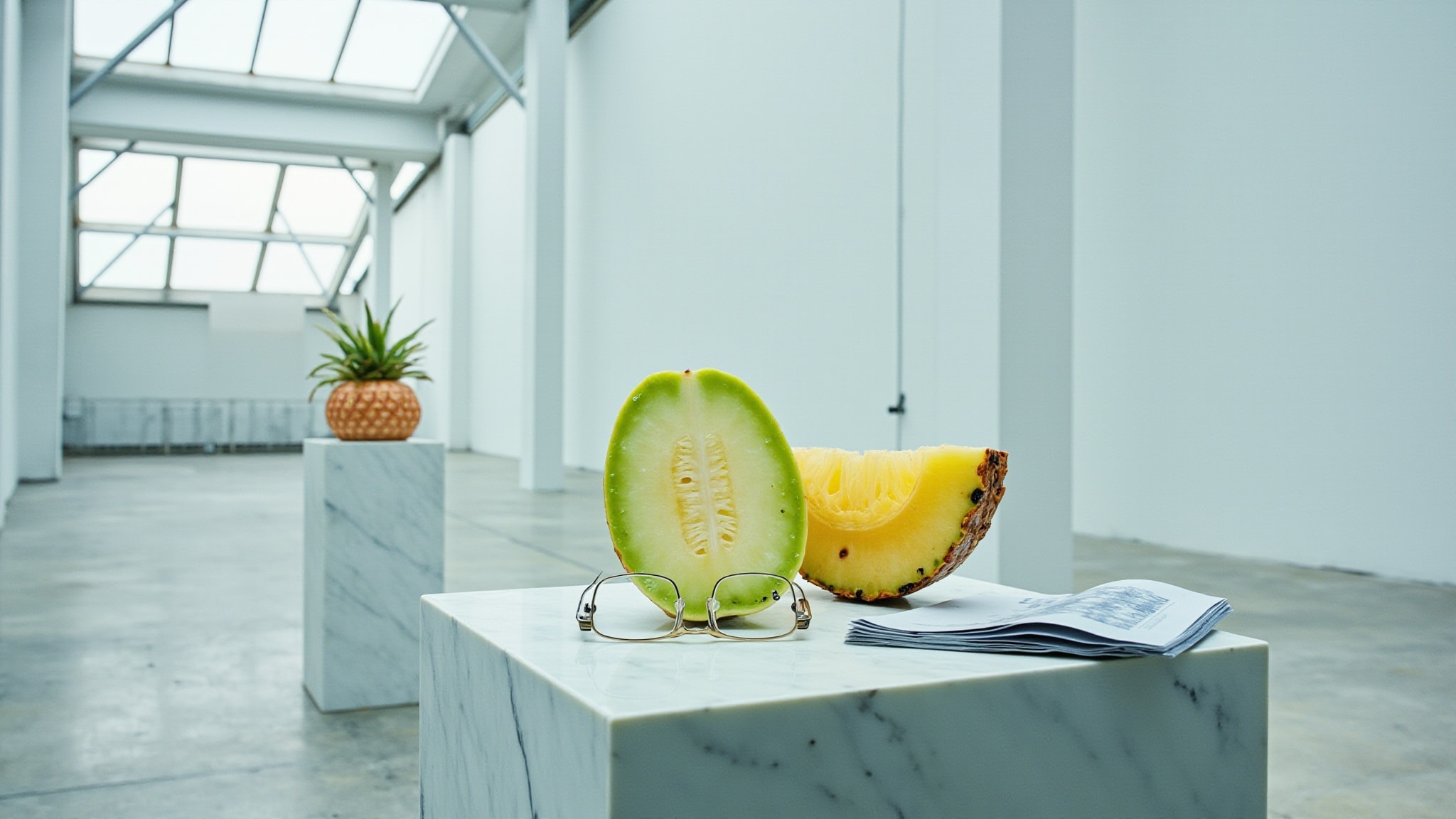
Design Edition №6 Space Venus arrived in 1996 as part of Les Beaux Arts' numbered series. The bottle itself was credited to Salvador Dalí, an exact reproduction of an original object dating from 1984, one that explored the interplay between hardness and softness, life, dreams, and eroticism. Inside that vessel sat a composition built on fruit, flower, and green notes rather than the heavier materials many late-nineties launches leaned on. The top notes crack open with a wet, almost dewy quality: melon, green leaves, pineapple that reads sharp and tart rather than syrupy. A heart of jasmine, rose, and lily of the valley settles in soon after, the white blossoms rendering their sweetness through a soft, slightly waxy lens that keeps the whole thing lifted rather than dense.
What defines Space Venus is its commitment to green notes, pineapple, melon, and white blossoms, creating a fruity-green-aquatic architecture that feels closer to chilled glass than to richer perfumery conventions. The pineapple here functions as a structural element, providing sharp acidity rather than sugary warmth. Combined with the green leaf opening and the indistinct sweetness of white flowers, the result reads more mineral than edible. There is no gourmand thickness to break the spell, no amber drizzled over the fruit to make it dessert-like, no vanilla to soften the edges.
The evolution
The first ten minutes belong to melon and green leaf, wet, sharp, almost cucumber-cold against the skin. Pineapple arrives fast, not as a tropical sweetness but as a tart, structural edge, the scent's spine. By the thirty-minute mark the white blossoms have surfaced, soft and slightly waxy, pulling the composition toward something more recognizably floral. The green notes never fully leave, they just quiet down, settling underneath the heart like shade under a tree. After two to three hours the fragrance is quieter still, a faint sweetness clinging to fabric, the pineapple long gone but a clean, slightly soapy white-floral trace remaining. The base, sandalwood and musk with a touch of amber, begins to register more clearly in the drydown, lending a creamy warmth to what had been a bright, cool composition.
Cultural impact
Space Venus holds a distinctive place among design-led fragrances of the 1990s, a period when several houses experimented with fruity-green-aquatic structures that broke away from the dominant oriental codes of the era. The scent gestures toward something cooler and more cerebral than the sweeter, heavier launches that defined much of women's perfumery at the time. Its bottle, a faithful reproduction of a Dalí object from 1984, gives it an immediate art-object status that few fragrances can claim.