The Story
Why it exists.
The beginning
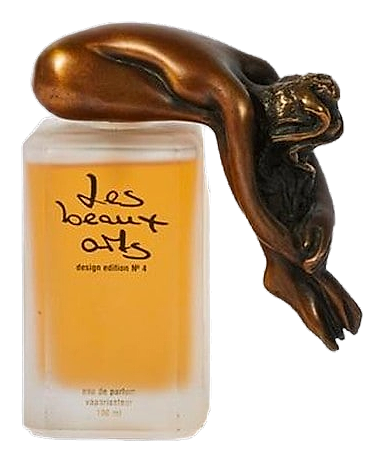
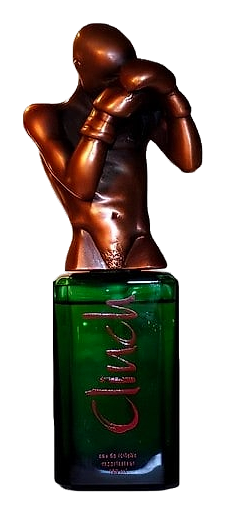
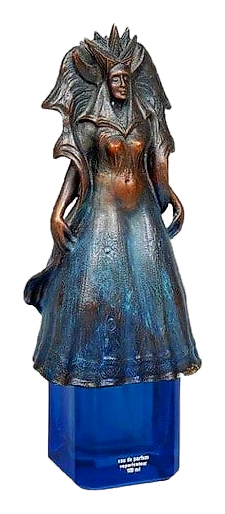
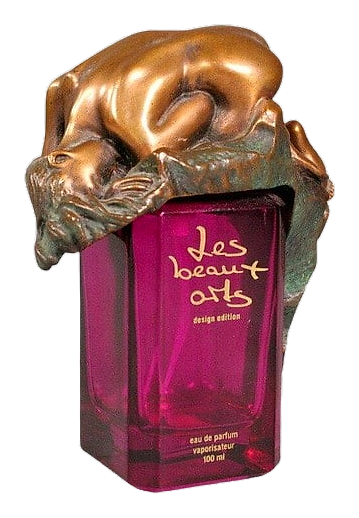
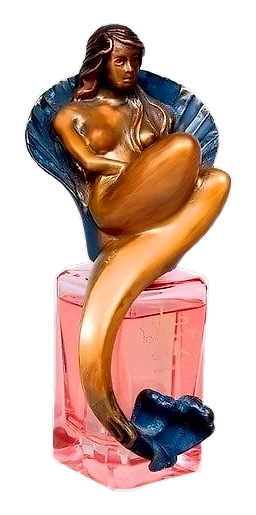
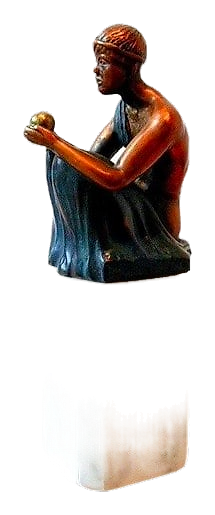
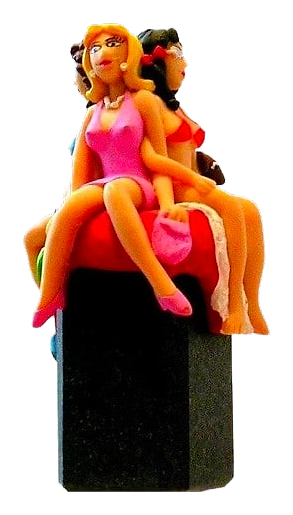
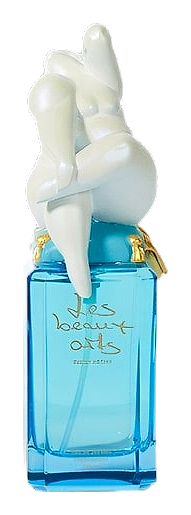
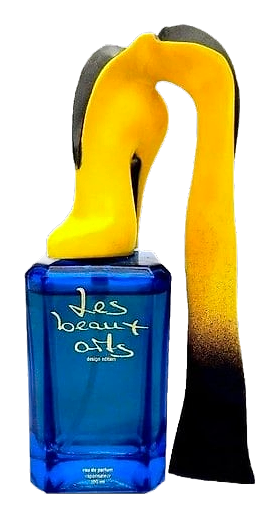
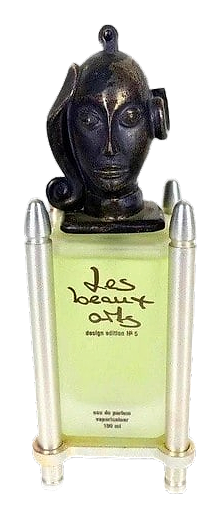
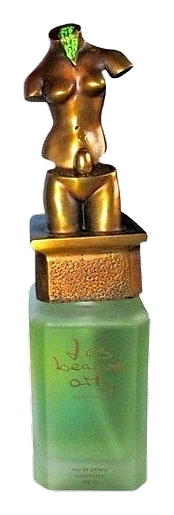
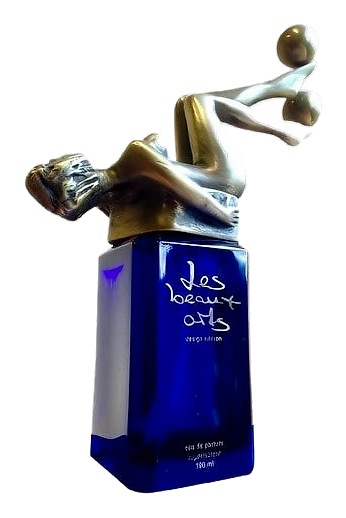
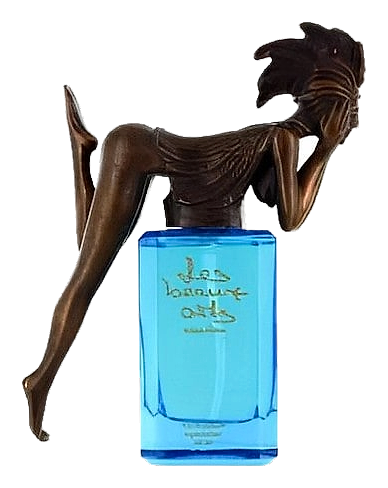
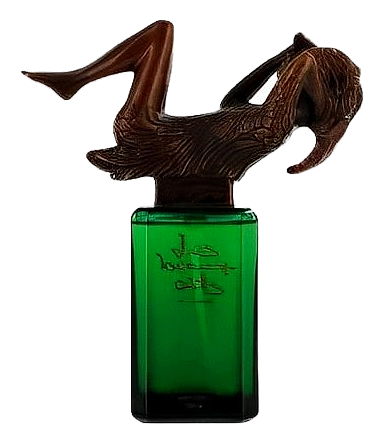
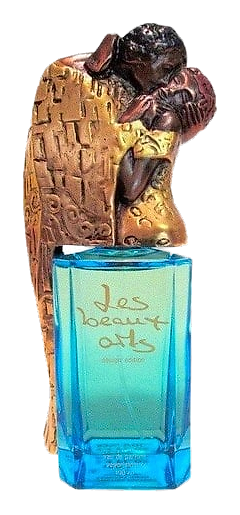
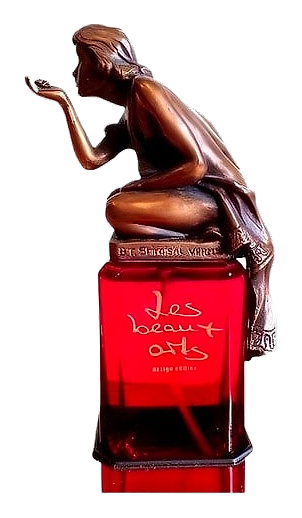
Design Edition №11 Romeo arrived in 1999 as part of Les Beaux Arts' ongoing series of scent-as-art-object releases. The Paris-based house, founded in 1994, had spent five years building a catalog that reads like a curatorial index: Eros in 1994, Fiora in 1995, Papagena in 1998. Each edition pairs a fragrance with a cultural reference, a printed dossier, and a limited bottle run. Romeo was bottle №11, designed by Barry Shiraishi, produced in a run of 7,500 pieces worldwide, each accompanied by a certificate. The naming follows the house's habit of reaching into mythology and literature for its titles. Romeo, of course, carries its own weight, Verona's young lover, Shakespeare's balcony scene, the archetype of passion meeting restraint. Les Beaux Arts translated that tension into a brief: something bright and immediate, but never reckless. A scent that approaches rather than declares.
The composition is built around a narrow set of materials, five notes total, which is unusual even by minimalist niche standards. Coriander and mandarin orange share top billing, a pairing that gives the opening both its green sharpness and its round sweetness without leaning on the usual bergamot-lemon scaffolding. Woody notes carry the drydown alone, no amber, no musk, no vanilla underneath. That structural choice keeps the fragrance from settling into the warm-amber territory most men's citrus-green compositions default to. Instead it stays lean, almost ascetic, closer to the feeling of a Mediterranean courtyard than a gentleman's study.
The evolution
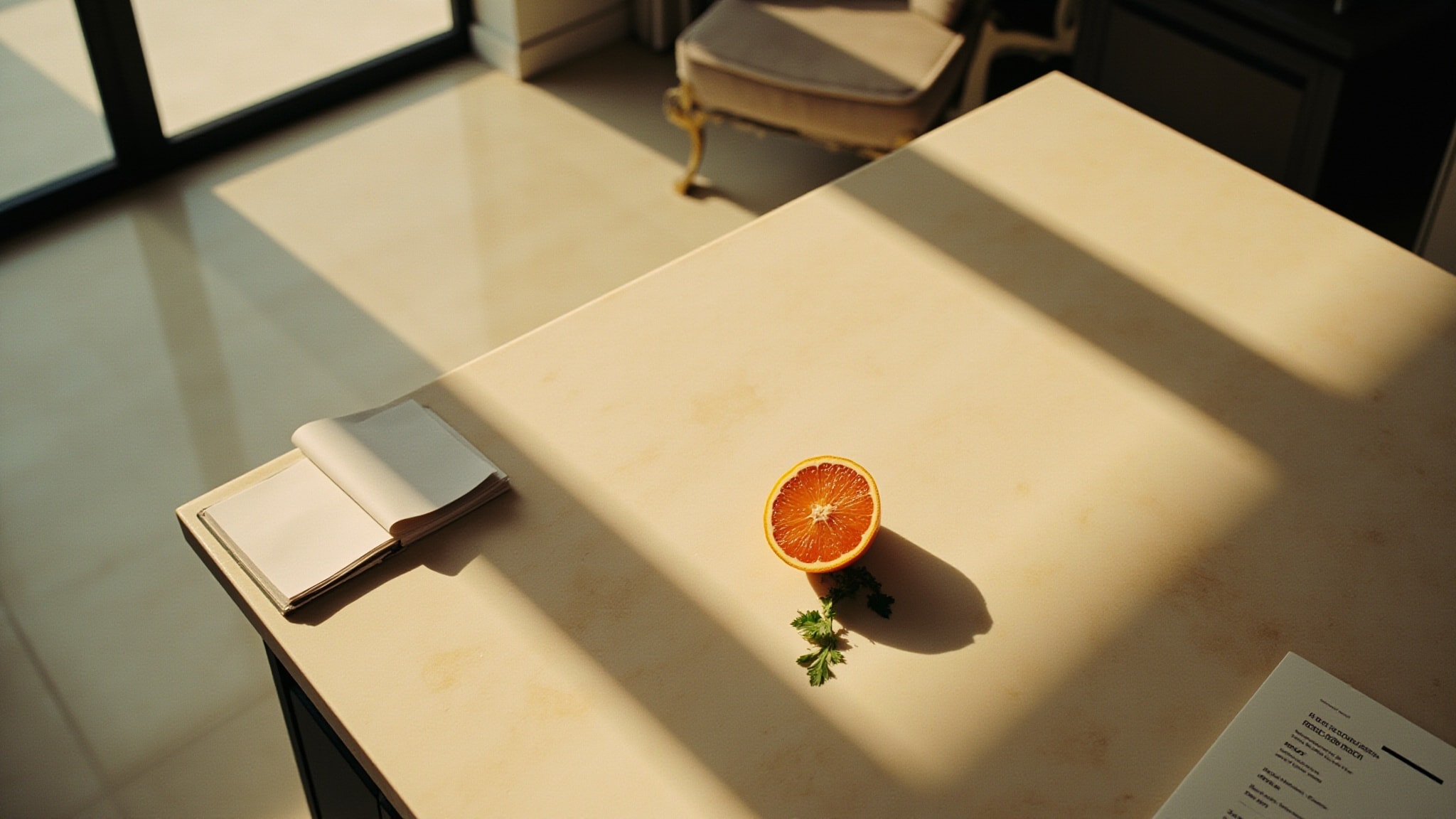
The first thirty minutes belong to mandarin orange and coriander doing something restless together, bright citrus on top, the green bite of coriander underneath, almost like crushed leaves between your fingers. Orange softens the edges without dulling them. Then comes the handoff: the citrus thins out, and the woody base starts showing through, not as a dramatic reveal but as a gradual quieting, like the light changing rather than shifting. By the second hour the green notes have mostly exited, and what's left is a dry, close woody warmth that stays intimate. It doesn't project far from skin after the first hour. On a wool sweater or a scarf, the woody facet lingers into the next morning, warm and slightly papery. The performance is moderate, not a loud fragrance, and it doesn't try to be. What it offers instead is a clean, composed drydown that rewards paying attention.
Cultural impact
Romeo sits inside a niche conversation about what limited-run fragrance can do when it refuses the conventions of commercial men's perfumery. With only 7,500 bottles produced and a five-note composition that skips the usual amber-musk safety net, it belongs to a small category of late-1990s releases that prioritized concept over comfort. Collectors of the Les Beaux Arts Design Editions tend to approach the line as a series, each bottle a chapter, and Romeo is the one that leans furthest from warmth and closest to restraint. It's a fragrance for someone who reads exhibition catalogs for pleasure and prefers a dry gin to a sweet one.