
The Story
Why it exists.
The beginning
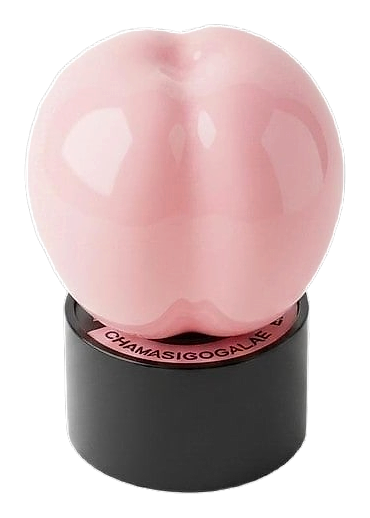
Chamasigogalae takes its name from a Korean phrase that translates loosely to "want to have tea before we go?" Less a question than a deferral. An invitation to stretch a goodbye into something longer, softer, less public. The phrase carries weight in Korean because it sidesteps what it actually means, and that indirection is the point. The composition was developed by Laurent Marrone, and the fragrance operates as a study in held breath: a scent that holds the pause between leaving and staying. On skin, the opening reads as a cool bergamot peel over steeped black tea leaves, with a faint greenish flicker that suggests fresh-cut grass at the edge of a garden wall.
Most "tea" fragrances lean smoky, astringent, or gourmand. Jasmine tea offers something gentler: a floral infusion where the green tea note gets carried by indolic sweetness rather than dry tannin. That's the choice Marrone made here, and it changes the texture of the entire drydown. Peach does unusual work in the opening. Where most peach notes read candy-sweet or syrupy, Scentseum's version gets cut by bergamot and lemon before it has a chance to go cloying. You get the fruit's flesh without the sticky residue. Lily of the valley in the heart is the move that keeps everything airborne, a green-white sparkle that says "spring garden" without actually naming one.
The evolution
First 30 minutes: citrus and fruit do the introduction. Bergamot and lemon open bright, almost fizzy, then peach rounds into the corners. The whole thing feels effervescent, like the first few minutes of a sparkling wine that's been sitting in an ice bucket too long. Nothing heavy yet, nothing committed. Around the 45-minute mark, the jasmine tea steps forward and the citrus recedes but doesn't vanish. The fragrance cools slightly. Lily of the valley adds a dewy quality, the kind of green that makes you think of cut stems and damp morning air. This is the phase most people will identify as the "tea" accord. It's clean and floral, neither soapy nor indolic. Two hours in, the musk takes over. It's not a loud musk. It's the warm, skin-like variety that takes over a shirt collar by evening. Cedarwood shows up underneath, dry and pencil-shaving, and patchouli gives it a slightly earthy grounding without crossing into hippie territory. The tea note lingers as a ghost through the base, almost like how a kitchen smells the morning after you brewed something.
Cultural impact
Chamasigogalae sits as one of the more contemplative options in the Scentseum lineup, a fragrance that asks you to slow down rather than to perform. The Korean phrase it borrows gestures at a small domestic ritual, the cup of tea offered as a way to stretch a farewell, and the scent carries that same quiet hospitality. The opening bergamot and black tea accord smells less like a beverage than like the idea of one: a suggestion of steam, a hint of tannin, the greenish tang of leaves still steeping. That initial chill softens into a creamy jasmine and orris heart that feels almost textile, like the worn cotton of a familiar tablecloth.
The House
ScentseumScentseum is a Seoul-based fragrance house that emerged as part of South Korea's growing niche perfumery movement, a wave that began reshaping the local fragrance landscape in the early 2010s after years of European house dominance. The brand draws on Korean wordplay and Hangul calligraphy as creative foundations, treating language itself as a raw material alongside more traditional aromatic ones. Its debut collection of five scents reflects this dual sensibility, pairing unconventional naming conventions with compositions that have drawn attention from international fragrance press and convention audiences alike.
The Creator
Laurent MarroneIn the studio Marrone favors a restrained palette. He works with violet leaf, osmanthus, and marine accords, pairing them with subtle ambergris to add depth.