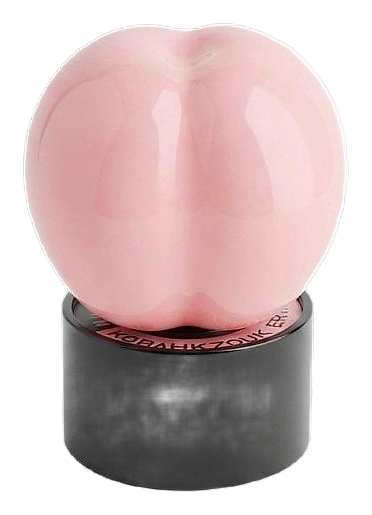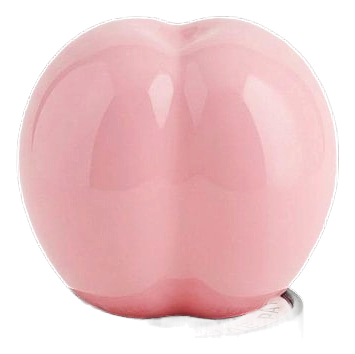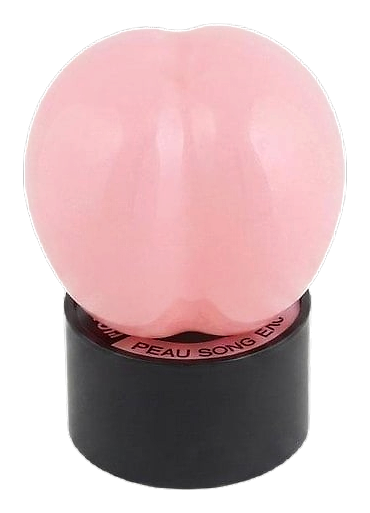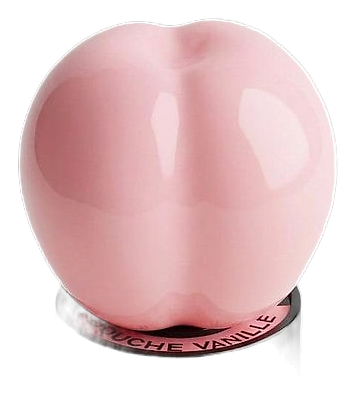
The Story
Why it exists.
The beginning
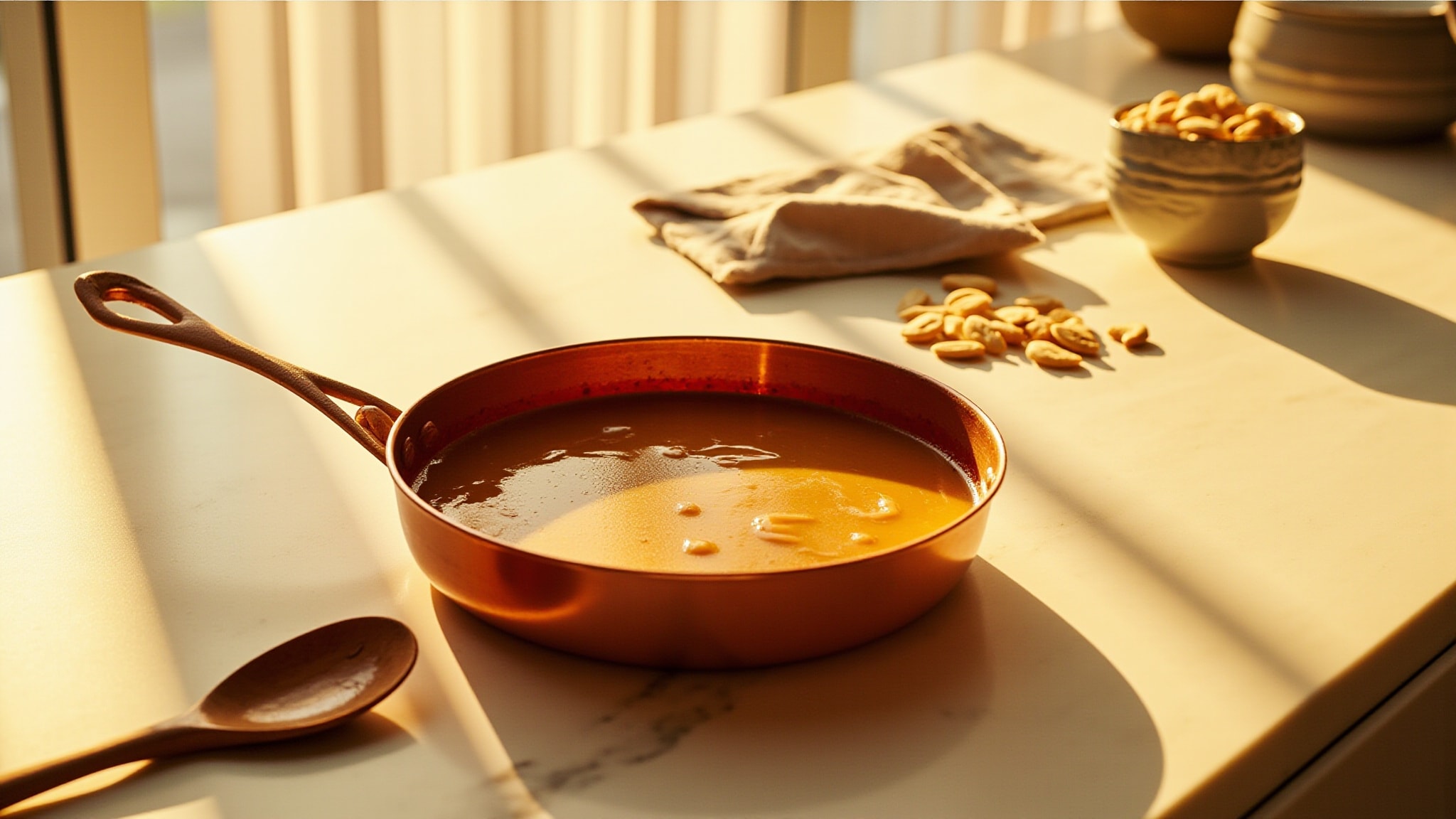
There's a particular moment in late September when the heat breaks and the air turns sharp just after sunset. That's the window Douche Vanille was built for. Sealed inside is condensed milk and caramel in a slow, deliberate pour. The formula went to perfumer Esneda Vela, and the result reads less like fragrance architecture and more like a recipe someone tested at home until it landed. The French name literally translates to "vanilla shower," and there's something unapologetic about that phrasing. No whisper. No "subtle skin scent." A pour. The opening announces itself the way a spoon hitting the bottom of a mixing bowl announces itself. Loud, warm, and over before you've decided whether you want it. That immediate satisfaction is the whole sales pitch, and the house seems to know it.
What's interesting here is the scarcity of contrast. Douche Vanille declines the offer of complication. The composition leans fully into cream, vanilla, tonka, and honey, asking the sweetness to carry its own complexity through texture and warmth rather than through tension. The almond in the heart is what does the structural work. It gives the scent a slightly bitter, marzipan-edged backbone that keeps the sugar from collapsing into one flat note. Without it the whole thing would read as syrup.
The evolution
The first ten minutes smell like a spoon held over a double boiler. Sweet, milky, and slightly too warm. The condensed milk arrives fast and stays loud, the caramel curling underneath it like it was already there when you uncapped the bottle. There's no citrus to cool the opening down, nothing green, no sharp edges to buy you time. It's an unapologetic entry into the room. Around the twenty-minute mark, the honey shows up properly. Not the bright, almost citrusy honey you get from orange blossom compositions, but the darker, slower kind. The one that tastes like it was made by someone who knows what they're doing. Almond settles in beside it, soft and slightly powdery, like ground nut in a pastry filling, and the whole composition shifts from "sweet" to something closer to "fed." That's the best word for it. You feel like you've eaten something, not smelled something.
Cultural impact
Douche Vanille has drawn comparisons to Bianco Latte, and at least one wearer's preference suggests it earns that comparison as a contemporary rather than a copy. As a 2026 release, it lands in a moment when gourmand compositions are being revisited and reworked by newer houses, many of them arriving with a clearer point of view than the genre's older reference points. Douche Vanille enters that conversation with a deliberately narrow brief: vanilla, condensed milk, caramel, honey, almond, tonka, and not much else, and the willingness to commit to that narrowness is what sets it apart.
The House
ScentseumScentseum is a Seoul-based fragrance house that emerged as part of South Korea's growing niche perfumery movement, a wave that began reshaping the local fragrance landscape in the early 2010s after years of European house dominance. The brand draws on Korean wordplay and Hangul calligraphy as creative foundations, treating language itself as a raw material alongside more traditional aromatic ones. Its debut collection of five scents reflects this dual sensibility, pairing unconventional naming conventions with compositions that have drawn attention from international fragrance press and convention audiences alike.
The Creator
Esneda VelaVela's signature rests on a chemist's precision and a storyteller's instinct. Her training at Grasse gave her a deep command of classical French perfumery structure, while her chemistry background means she thinks in terms of molecules as much as impressions.