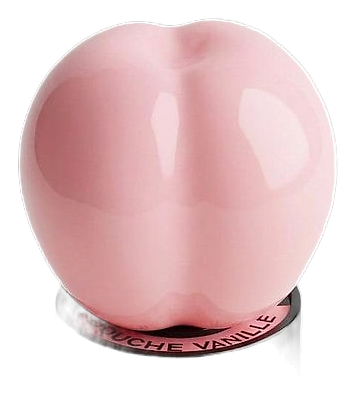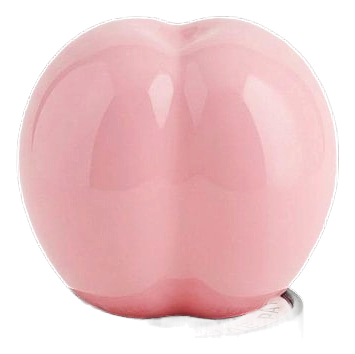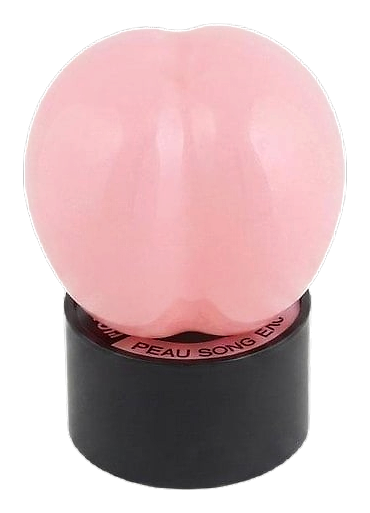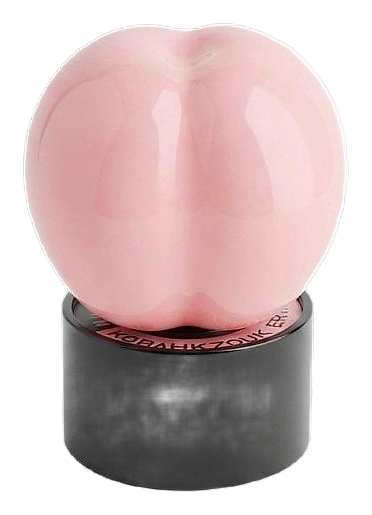
The Story
Why it exists.
The beginning
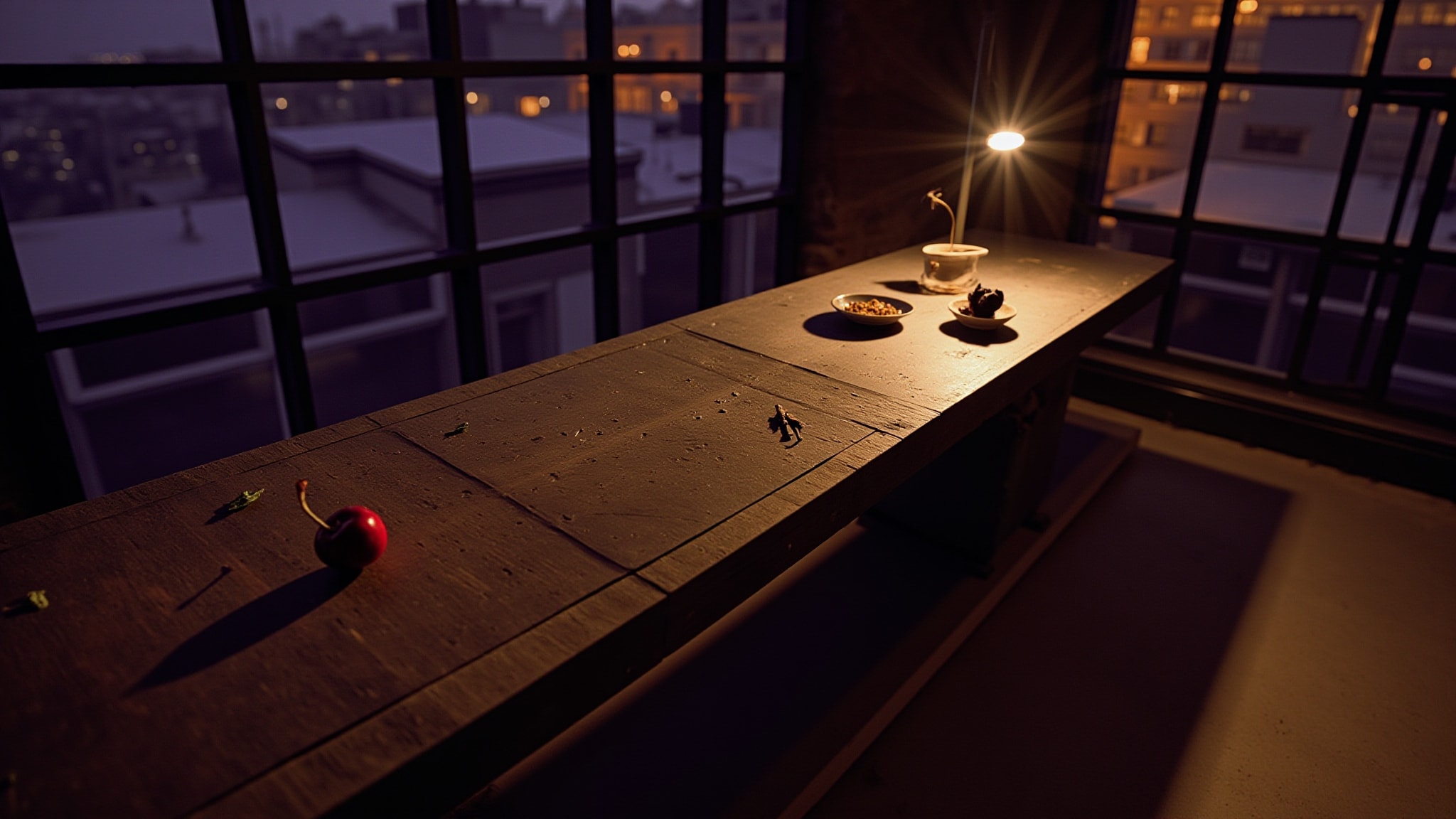
Kobahkzouk is the kind of name you lean into before you can say it. Scentseum leans on an online neologism here, a term coined for scents so appealing that the only response is to keep smelling them. The concept is the perfume. Wanting more is the point. Perfumer Angela Stavrevska built the composition around a rose-jasmine spine, flanked by cherry, lemon, and a spicy clove geranium layer. It's the kind of structure that reads simple on paper and reveals more on skin than the note list promises. The cherry lifts the rose into something almost edible, a bright tartness that keeps the floral from getting too serious. Clove and geranium warm the edges, pulling the whole top into a spiced-fruit glow before the heart fully opens.
The rose-jasmine pairing is the architecture here, and it's a more interesting choice than it first looks. Cherry and lemon give the rose a brighter, almost edible surface, and clove adds a warm spicy friction that keeps the jasmine from tipping into sweetness overload. There's a playful tension in how the fruit sits next to the florals, neither one willing to step aside for the other. The base pulls in a different direction again. Patchouli is present but quiet, musk adds a skin-like softness, and amber rounds the edges without flattening them.
The evolution
On skin, Kobahkzouk opens with the most upfront thing about it: cherry and lemon, fast and bright. The rose isn't far behind, woven into the fruit so the opening reads as one sweet-tart gesture rather than separate notes. Clove shows up early too, sharpening the edges and giving the fruit a faintly candied warmth that stops it from reading as a simple citrus-berry sparkle. As the heart develops, the jasmine takes its place at center stage. Geranium gives it a green, almost herbal lift that keeps the rose from getting too plush. This is the phase that smells the most like a floral, and it's the phase some wearers will want to live in. The rose-jasmine blend here feels less like two distinct flowers and more like a single mood, creamy and slightly indolic, lifted by that green geranium breeze.
Cultural impact
Kobahkzouk's name is a small example of the creative instinct behind the fragrance: a neologism invented to describe scents you can't stop smelling. The word is doing real work here, setting an expectation before you ever spray the bottle. It promises something almost compulsive, a scent so compelling that the natural response is to keep going back for more. Scentseum expresses beauty through modern design, Korean wordplay, and Hangul calligraphy, and Kobahkzouk fits squarely within that creative approach. The naming convention isn't decoration, it's part of how the fragrance introduces itself.
The House
ScentseumScentseum is a Seoul-based fragrance house that emerged as part of South Korea's growing niche perfumery movement, a wave that began reshaping the local fragrance landscape in the early 2010s after years of European house dominance. The brand draws on Korean wordplay and Hangul calligraphy as creative foundations, treating language itself as a raw material alongside more traditional aromatic ones. Its debut collection of five scents reflects this dual sensibility, pairing unconventional naming conventions with compositions that have drawn attention from international fragrance press and convention audiences alike.
The Creator
Angela StavrevskaAngela favors a structured approach. She starts with a clear accord, then builds supporting notes that reinforce the core idea.