The Story
Why it exists.
The beginning
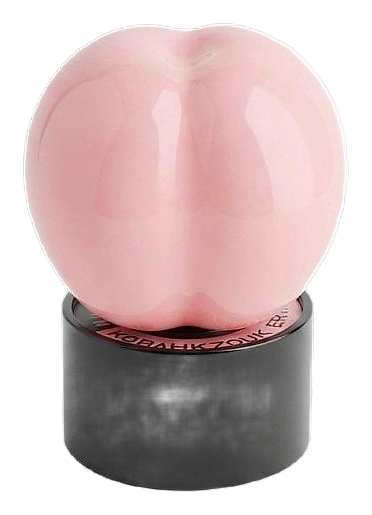
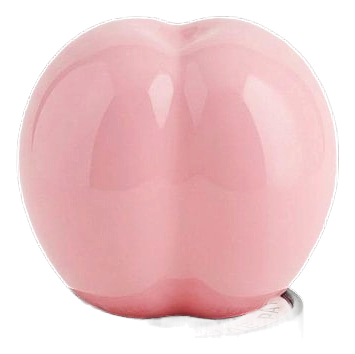
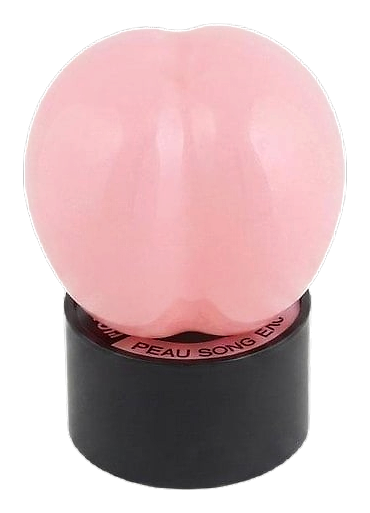
Peau Song Eau de Ambroxide arrived in 2026 as part of Scentseum's debut collection. The name itself does double duty. In Korean, it gestures toward the feeling of pleasantly dehydrated skin after a swim, that tight, mineral-salt moment when the body's surface becomes unusually present. It also carries the idea of a 'skin song', a melody the body hums to itself. Perfumer Siuchung Lam composed the scent around ambroxide, building toward a skin-scented concept that takes the molecule's mineral softness as its starting point. There is something quietly sensory about the way ambroxan is treated here, less a showpiece shimmer than a tactile base against which the rest of the composition can behave like skin in different textures.
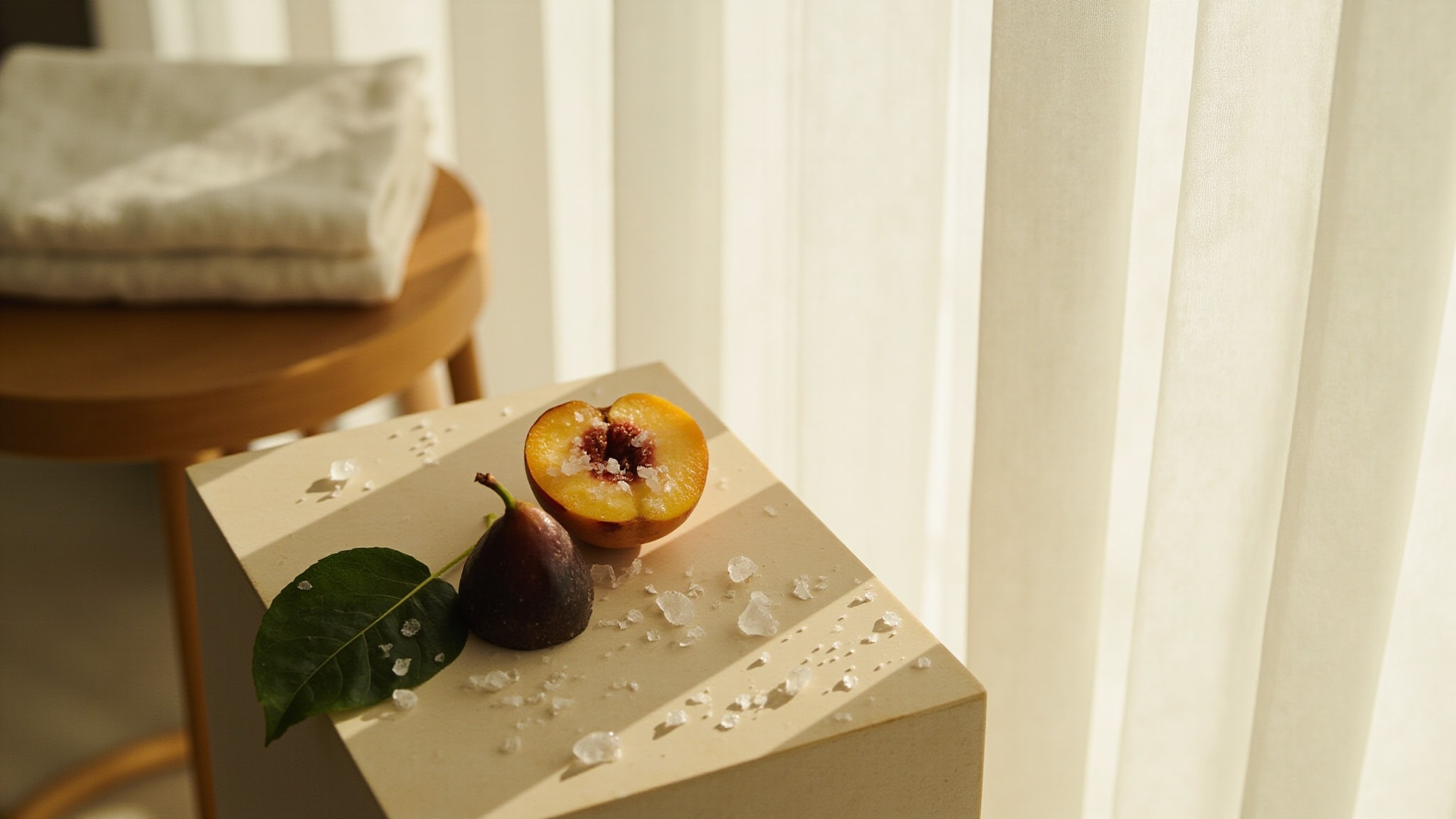
What makes the composition worth lingering on is the cast list around the ambroxide. The opening pulls a bright, almost playful five together: anise, coconut, lemon, peach, pine. Coconut and anise in a woody base is not a usual pairing in Western perfumery, but it lands here because the woods underneath it, cedarwood and magnolia in the heart, guaiac and sandalwood in the base, stay so grounded that the top reads as a slightly surreal memory rather than a literal one.
The evolution
The first thirty minutes are the most extroverted the fragrance will ever be. Coconut lands soft and creamy alongside lemon zest, while anise sharpens the edges and pine needles poke through with a green, resinous snap. Peach arrives underneath, sugary and faint, the way fruit feels through a closed jar. Then everything pivots. The fruit recedes and cedarwood takes over, joined by magnolia's lemony-creamy petals and a rose that stays buttoned-up rather than jammy. At this point the scent reads almost like a different fragrance, cleaner, woodier, far less tropical. That fade is what separates Peau Song from the coconut-vanilla crowd; the heart earns its own gravity. Two to four hours in, ambroxan surfaces as the dominant voice, with cashmeran and sandalwood lending a velvety haze. Musk, tonka, and vanilla arrive together like a single chord, never over-sweet.
Cultural impact
Peau Song arrives inside Scentseum's early catalogue, and its title carries a striking move: making language itself part of the product. By naming a woody floral musk after the feeling of post-swim skin, the house leans on ambroxide as a way to keep the scent close to the body rather than projecting outward. The Korean expression at its core treats the body as a primary ingredient, and the bottle becomes an invitation to read the name aloud, to wonder what salt-warm skin might actually smell like once translated into wood and musk. There is something quietly novel about that approach.
The House
ScentseumScentseum is a Seoul-based fragrance house that emerged as part of South Korea's growing niche perfumery movement, a wave that began reshaping the local fragrance landscape in the early 2010s after years of European house dominance. The brand draws on Korean wordplay and Hangul calligraphy as creative foundations, treating language itself as a raw material alongside more traditional aromatic ones. Its debut collection of five scents reflects this dual sensibility, pairing unconventional naming conventions with compositions that have drawn attention from international fragrance press and convention audiences alike.
The Creator
Siuchung LamWorking from CPL's Far East creative hub, Chung draws on a palette that bridges European classicism and Asian ingredient tradition. He gravitates toward raw materials with clarity and lift, citrus oils with bright top-note snap, green leaves that read as living rather than syn…