The Story
Why it exists.
The beginning
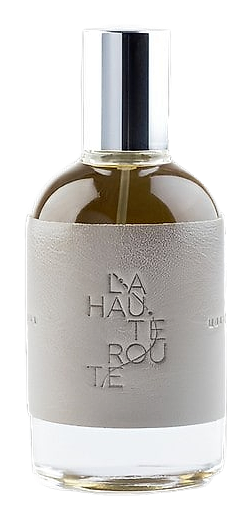
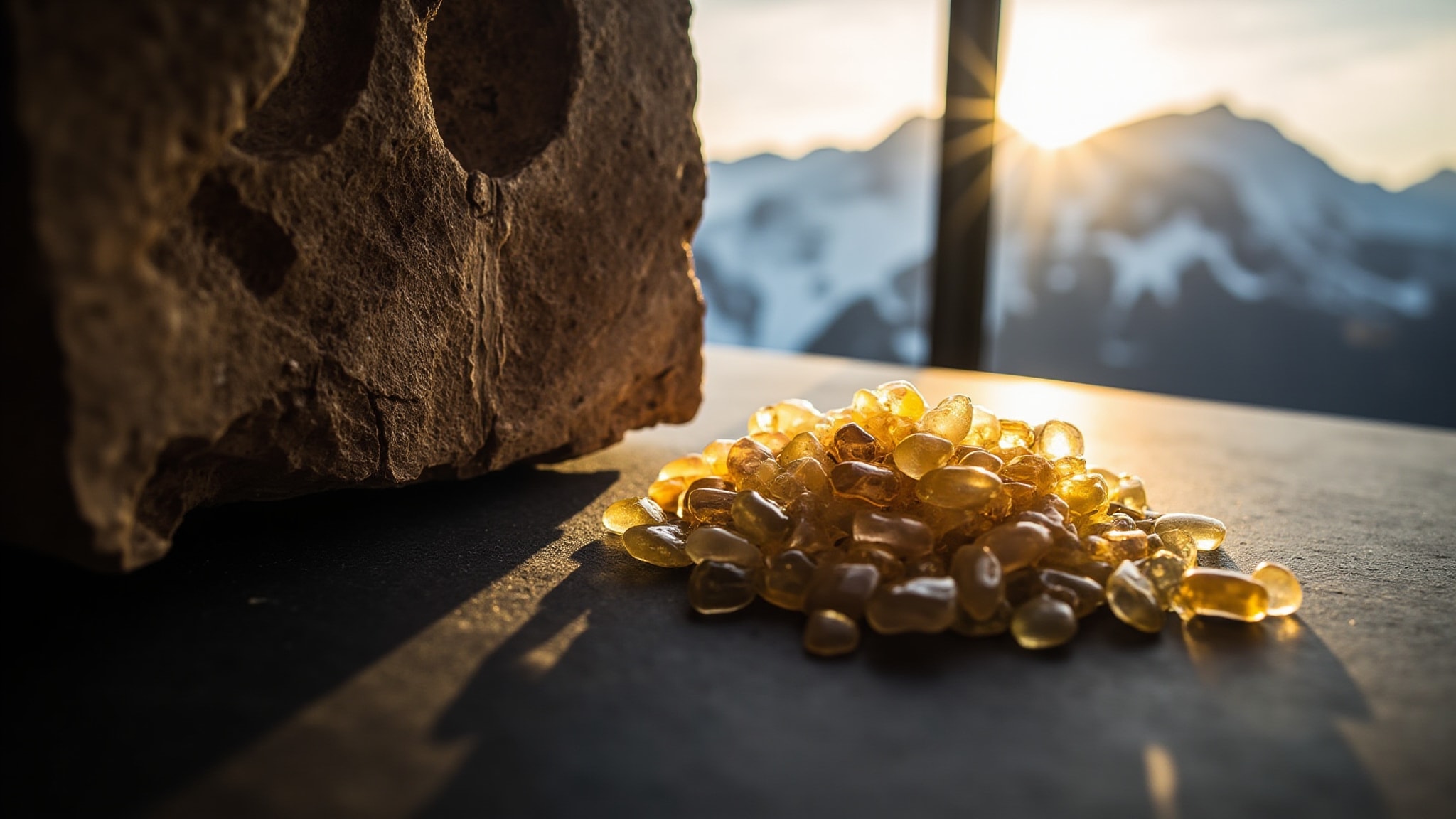
La Haute Route is named for the legendary ski traverse between Chamonix and Zermatt through the high Alps. It's not a casual path. It's 120 kilometers of glaciers, cols, and terrain that demands experience and judgment. Monsillage took that specific altitude, that specific clarity, and asked: what does it smell like to be up there? The answer starts cold. Camphor and menthol open like a door flung open in January. Then something unexpected happens, the composition warms. Incense and mimosa arrive quietly, like reaching a mountain hut and smelling wood smoke before you see it. The base is cedar, benzoin, and vanilla, resinous and close, the smell of cold stone warmed by sun.
What makes this structure unusual is the hand-off. Most fragrances move from bright to warm in a straight line. La Haute Route introduces an air accord in the heart, a literal note of atmosphere, of altitude, before the incense and mimosa arrive. It interrupts the expected trajectory and creates a moment of suspension. You're not quite in the opening anymore, not yet in the base. You're in between, which is exactly where the Haute Route puts you. The camphorated top notes (wintergreen, menthol) are also uncommon at this concentration. They read almost medicinal at first spray, then evolve into something cooler and more interesting as they blend with the mugwort and cypress. It's a slow reveal.
The evolution
The opening is immediate and bracing. Wintergreen hits first, sharp and camphorated, followed by mint and the bitter green of mugwort. Cypress and fir bark add a resinous, almost medicinal depth beneath. The menthol doesn't fade so much as dissolve, within thirty minutes it's part of the landscape rather than the foreground. The heart introduces something unexpected: an air accord, like standing in a high col with nothing around you. Incense smoke threads through it, but it's clean smoke, not churchy. Mimosa appears as a quiet sweetness, almost hidden. This is the phase that surprises people who expected a straightforward alpine fragrance. It's not a forest scent. It's something stranger. The drydown is where La Haute Route earns its name. Cedarwood and benzoin create a warm, resinous base. Opoponax adds a slight powderiness. Vanilla and musk hold everything close to the skin. The frankincense that appeared in the heart becomes more prominent, settling into the composition like sediment. On most people, this base lasts through a full workday.
Cultural impact
La Haute Route exists outside the usual fragrance categories. It's not quite a fougère, not quite a incense fragrance, not quite an alpine scent, it's something that occupies the space between them. The camphorated mentholated opening is unusual enough that it attracts strong reactions, and reviewers have described it as unlike anything they've worn before. The fragrance has found an audience among people who seek out-of-category compositions, those who want a scent that challenges rather than comforts. In the broader landscape of niche perfumery, La Haute Route represents a specific kind of ambition: not the loudest fragrance in the room, but the one that stays with you.