
The Story
Why it exists.
The beginning
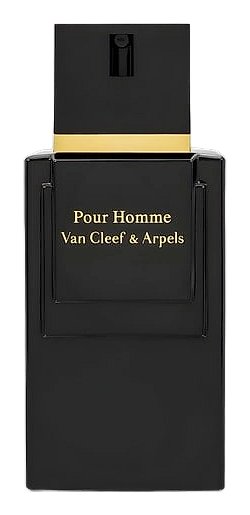
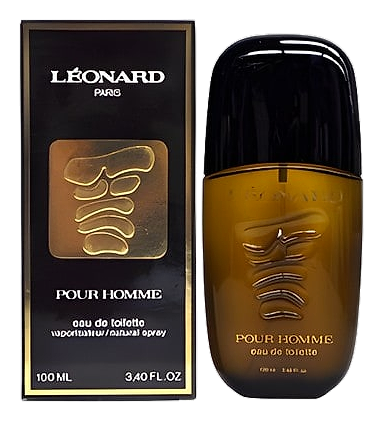
Ron Winnegrad designed Pour Homme for Leonard in 1980 with a clear intention: a masculine fragrance that refused to choose between softness and strength. Instead of a heavy, aggressive base, the composition leaned into unexpected refinement. Carnation and iris took their place within the structure, adding depth without overwhelming. The result was a leather fragrance that smelled refined rather than rugged, confident without posturing. The scent developed across the wear, revealing layers that maintained their character from opening to drydown, with the powdery florals creating an elegant tension throughout the evolution.
What makes Pour Homme unusual is the balance between its classic chypre architecture and its powdery floral heart. Leather and oakmoss form the expected base, but the carnation and iris in the middle create a softness that prevents the composition from reading as strictly masculine. The castoreum adds animalic depth without tipping into aggression. This isn't a fragrance that announces itself. It's one that reveals itself slowly, rewarding the wearer who applies it in the morning and discovers something different by evening. The herbaceous opening, lavender, basil, thyme, gives way to warm spice (cinnamon, carrot seed) and earthy depth (vetiver, patchouli) before the leather and resin base takes over.
The evolution
The opening hits first: lavender and citrus with bergamot and petitgrain, an herbal undercurrent from basil and thyme. Cool, sharp, almost medicinal. The heart asserts itself with carnation's spiced floral quality, iris powder, and jasmine warmth. Patchouli and vetiver add earthiness beneath. The base arrives with leather, oakmoss, and castoreum. Resinous, animalic, with a warmth from amber and labdanum that lingers close to the skin. The drydown is where this fragrance lives, the composition settling into its most intimate register while the earlier notes recede gracefully.
Cultural impact
Pour Homme has earned recognition as a solid leather oakmoss chypre. Community reviews describe it as dry, powdery, and nearly unisex, praise for the floral heart that prevents it from reading as strictly masculine. The combination of carnation, iris, and jasmine keeps the composition from leaning too far in either direction, earning appreciation from those who notice the balance.