The Story
Why it exists.
The beginning
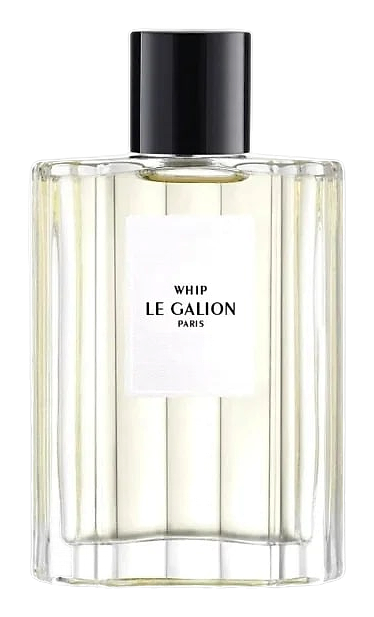
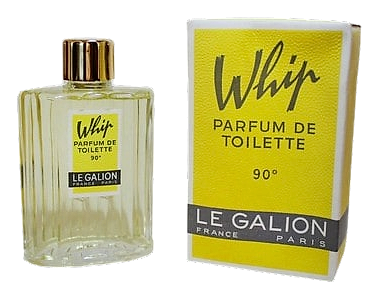
Whip arrived in 1953 from Paul Vacher, a perfumer already known for shaping Le Galion's scent language since acquiring the house in the late 1930s. The brand itself traces back to 1930, born on Paris's Left Bank under aristocratic patronage, and by the postwar years it had settled into a quiet groove of supplying salons with structured, classical compositions. Whip was Vacher's mid-century refresh, a fresh, green aromatic for men that the brand described as especially invigorating in summer. Women adopted it almost immediately, a pattern common with the cleaner French masculines of the era. The name conjures something swift and corrective, an attribute the composition clearly aims at.
The green-citrus backbone was not new in 1953, but the way Vacher stacks it here is. Tarragon sits unusually high in the opening, giving the top a near-anisic snap that most aromatic fougères of the period avoided. Calabrian bergamot grounds the citrus with its characteristic bitter-peel edge, while cardamom warms the back of the accord. The heart, built on iris, violet, jasmine, and a sharp thread of galbanum, is what separates Whip from a straightforward eau fraîche. That galbanum-iris interplay produces a cool, slightly metallic greenness, the kind of effect you find in the best Guerlain patricides of the same era rather than in typical men's colognes.
The evolution
The first 30 minutes belong to tarragon and Calabrian bergamot, sharp and cooling, with lavender and cardamom just behind, softening the edges without dulling them. Around the 45-minute mark the heart takes over: galbanum leads with a green, almost bitter intensity, then jasmine, violet, and iris settle into a powdery, composed center that reads closer to a refined face powder than a men's cologne. The drydown shifts by hour three or four. Oakmoss, vetiver, and patchouli build a damp, earthy floor, and a leather note (likely a suede-style treatment) arrives last, soft rather than aggressive, warm against the cool iris that still lingers. By hour five or six it sits close to the skin, a quiet mix of moss, suede, and the ghost of violet. On fabric the next morning, the leather and oakmoss tend to outlast everything else.
Cultural impact
Whip occupies a specific corner of mid-century French masculine perfumery: the green-aromatic category that included scents like Chanel Pour Monsieur and certain Guerlain releases of the same period. It was designed as a fresh summer composition for men, but its powdery iris-violet heart and soft leather drydown made it appealing to women as well, a crossover that became common with cleaner French masculines of the 1950s. Today it sits as a quiet reference point for collectors of vintage Le Galion and for anyone interested in what French men's perfumery smelled like before the heavier, sweeter styles took over later in the decade.